



If you've recently had hair extensions fitted and developed a headache, tight feeling or tender scalp, it's natural to wonder whether the extensions could be responsible.
Hair extensions shouldn't leave you in significant or persistent pain. Although a newly fitted method may initially feel different from your natural hair, ongoing headaches, pulling, soreness or worsening discomfort should be taken seriously rather than simply tolerated.
In this guide, we'll look at some of the reasons hair extensions may feel uncomfortable, what you can do, and when your extensions should be checked by your fitter.
✨ The Quick Answer
Yes, hair extensions can sometimes contribute to headaches or scalp discomfort if they create excessive tension or pulling. If your extensions feel painful, unusually tight or increasingly uncomfortable, contact your extensionist so the fitting can be checked.
Why Might Hair Extensions Cause a Headache?
There isn't just one possible reason.
Discomfort can be influenced by the fitting technique, the amount of extension hair used, the positioning of the attachments and how much tension is being placed on the natural hair.
A headache can also have causes completely unrelated to hair extensions, so it's important not to automatically assume that every headache following a fitting has been caused by the extensions.
1. The Extensions May Be Fitted Too Tightly
One of the first things to consider is excessive tension.
Professionally fitted extensions need to be secure, but they shouldn't pull painfully against the scalp.
If attachment points are creating too much tension, you may notice:
- ✓ A constant pulling sensation
- ✓ Tenderness around attachment points
- ✓ Scalp soreness
- ✓ Stinging or irritation
- ✓ Discomfort when moving or touching the hair
- ✓ A headache that appears to coincide with the tight feeling
⚠️ Hair Extensions Shouldn't Hurt
If a fitted extension method is causing significant pain or feels excessively tight, don't simply wait for the discomfort to become unbearable. Contact your fitter and ask them to assess the attachment areas.
2. Extensions May Be Positioned Too Close to the Scalp
Professionally fitted extensions need an appropriate amount of movement between the scalp and the attachment.
Positioning an attachment incorrectly or creating excessive tension at the root can make normal movements of the hair uncomfortable.
This may become more noticeable when:
- Brushing the hair
- Putting the hair into a ponytail
- Moving the hair from one side to another
- Sleeping
- Touching the attachment areas
If moving your hair produces a sharp pulling sensation at individual attachment points, it's worth having those areas checked.
3. Too Much Extension Weight May Be Used
More extension hair doesn't automatically mean a better result.
The amount and weight of extension hair used should be appropriate for the client's natural hair density, condition and chosen fitting method.
💡 More Isn't Always Better
A professional fitting should balance the desired length and volume with what the natural hair can appropriately support. Adding unnecessary weight can increase pulling and tension.
This is one reason an assessment before fitting is important, particularly with professional or semi-permanent extension methods.
4. Natural Hairs May Have Been Trapped or Crossed
During professional fitting, sections should be cleanly separated.
If stray natural hairs become caught in neighbouring attachment areas, movement can create uncomfortable pulling in different directions.
You might notice that one particular attachment feels much more uncomfortable than those around it.
Don't pull or attempt to reposition a professionally fitted extension yourself. Ask the extensionist to inspect the area and correct it if necessary.
5. Very Tight Hairstyles Can Add Extra Tension
Even correctly fitted extensions can feel uncomfortable if they're repeatedly pulled into very tight ponytails, buns or updos.
This can add extra tension to both the natural hair and extension attachment areas.
🤎 Try a Looser Style
If you're experiencing mild pulling when your hair is tied back, release the hairstyle and wear the hair more loosely. Avoid repeatedly creating styles that place noticeable tension on the scalp.
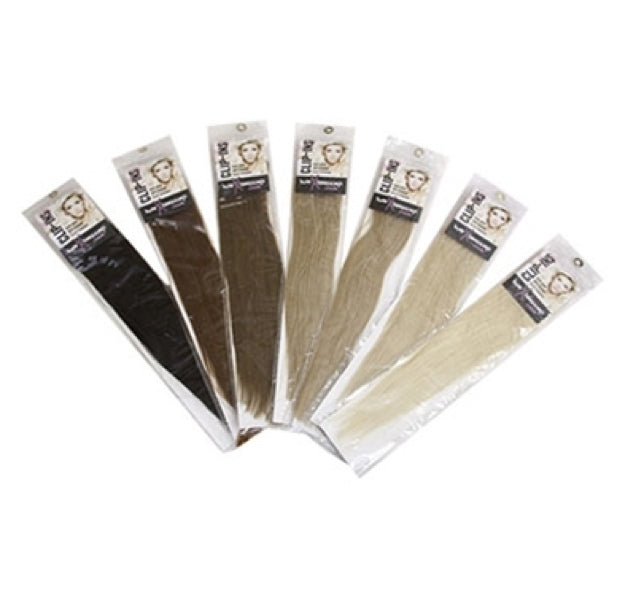
6. What About Clip-In Hair Extensions?
Clip-In extensions don't use permanent attachment points, but they can still become uncomfortable if the clips are positioned poorly or too much weight is concentrated in one area.
Clip-Ins should feel secure without painfully pulling against the natural hair.
If a Clip-In piece feels uncomfortable:
- Remove the uncomfortable piece.
- Allow the scalp to settle.
- Try repositioning it in a more suitable area when you next wear the set.
- Make sure the extension weight is distributed across the different pieces.
- Don't continue wearing Clip-Ins that are causing pain.
Clip-In extensions should also be removed before sleeping.
Is Some Awareness of New Hair Extensions Normal?
After a new fitting, you may be more aware of your hair than usual simply because additional hair and attachment points have been introduced.
Feeling that the extensions are physically present isn't the same thing as experiencing significant pain.
Feeling Different
You may initially notice the attachment areas more than you will once you're accustomed to wearing extensions.
Feeling Painful
Strong pulling, significant tenderness, stinging, worsening scalp pain or a persistent headache shouldn't simply be dismissed as part of having extensions fitted.
What Should You Do If Your Extensions Are Giving You a Headache?
If the discomfort appears to be associated with newly fitted extensions, the first step is to look at whether there is obvious tension on the scalp.
Try These Steps:
- Release tight hairstyles and wear the hair loosely.
- Don't pull at the attachments or attempt to loosen professional extensions yourself.
- Check where the discomfort is coming from. Is it general, or are particular attachments painful?
- Contact your extensionist if the fitting feels tight, painful or uncomfortable.
- Have the extensions professionally assessed if symptoms persist or worsen.
Should You Take Painkillers and Wait for It to Settle?
We wouldn't recommend using painkillers simply to enable you to tolerate a painful extension fitting.
If the problem is excessive tension from the extensions, dealing with the cause is more important than continually masking the discomfort.
Speak to your fitter if you believe the extensions are pulling or causing scalp pain.
Should You Apply Oils to a Sore Scalp?
We don't recommend trying to solve fitting-related pain by applying essential oils or other treatments directly around the attachment areas.
Oils can also interfere with certain extension fitting systems, so products should be kept away from attachment points unless specifically appropriate for your method.
If the scalp itself is irritated, painful or inflamed, have the cause assessed instead of covering the area with additional products.
Can Tight Hair Extensions Damage Natural Hair?
Repeated or excessive pulling on natural hair can cause problems over time.
One recognised condition associated with ongoing tension is traction alopecia, a type of hair loss caused by repeated pulling on the hair.
⚠️ Don't Ignore Repeated Pulling
Pain, stinging, persistent pulling or visible stress around the hairline or attachment areas are good reasons to stop and have the style or extension fitting checked.
When Should You Contact Your Extensionist?
Contact your extensionist promptly if you experience:
- Significant or worsening pain
- Persistent scalp tenderness
- Individual attachments that feel as though they're pulling
- Stinging around the attachment areas
- Extensions that feel excessively tight
- Redness or irritation around the fitting
- Unexpected natural-hair breakage
- Attachments that appear incorrectly positioned
The extensionist may need to adjust, reposition or remove particular attachments depending on what they find.
When Is a Headache a Medical Issue?
Not every headache occurring after hair extensions are fitted will be caused by the extensions.
If your headache is severe, unusual, persistent or accompanied by other concerning symptoms, seek appropriate medical advice rather than assuming the extensions are responsible.
🚨 Seek Urgent Medical Help
Call 999 or go to A&E for a sudden, extremely painful headache or a severe headache accompanied by symptoms such as:
- Weakness or numbness
- Difficulty speaking
- Confusion or severe drowsiness
- Loss of vision
- A seizure
- A very high temperature with a stiff neck
For headaches that keep returning or other symptoms you're concerned about, contact your GP or NHS 111 for advice.
How Can Good Extension Fitting Reduce Unnecessary Tension?
A professional extension fitting should consider much more than simply how much hair the client wants.
Important factors include:
- ✓ Natural hair density
- ✓ Natural hair condition
- ✓ Appropriate section sizes
- ✓ Correct attachment placement
- ✓ Suitable extension weight
- ✓ Appropriate spacing from the scalp
- ✓ The client's chosen extension method
- ✓ Ongoing maintenance and aftercare
You can find method-specific information in our Hair Extension Fitting & Removal Guides.
Don't Simply Put Up With Painful Hair Extensions
Hair extensions can add fantastic length, volume and thickness, but they shouldn't require you to put up with significant pain.
If your extensions feel painfully tight, create persistent pulling or appear to be responsible for ongoing scalp discomfort, contact your extensionist and have the fitting assessed.
Correct placement, appropriate extension weight and careful professional fitting all play an important role in helping extensions sit comfortably alongside the natural hair.
And remember: headaches are common and can have many causes. If your symptoms don't clearly appear to relate to your extension fitting, are persistent, or are accompanied by concerning symptoms, seek appropriate medical advice.
Need Hair Extension Fitting Advice?
Explore our fitting and removal guides for method-specific information covering our professional and temporary extension ranges.
VIEW FITTING & REMOVAL GUIDES →
Looking for aftercare advice? Browse more Hair Extension Aftercare Guides.