


Hair extensions can add length, fullness or both, but choosing the right option involves more than picking a colour and length. The best results come from understanding the different methods, matching the extensions carefully and knowing what maintenance will be required before you commit.
If you are new to hair extensions, these five points are a useful place to start.
Quick guide:
Choose between removable and professionally fitted extensions
Match the method to your natural hair and lifestyle
Colour match the mid-lengths and ends
Understand maintenance before fitting
Be realistic about how much length and volume you want
1. Decide Between Removable and Professionally Fitted Extensions
The first decision is whether you want extensions that can be removed whenever you like or a professionally fitted method that stays in the hair between maintenance appointments.
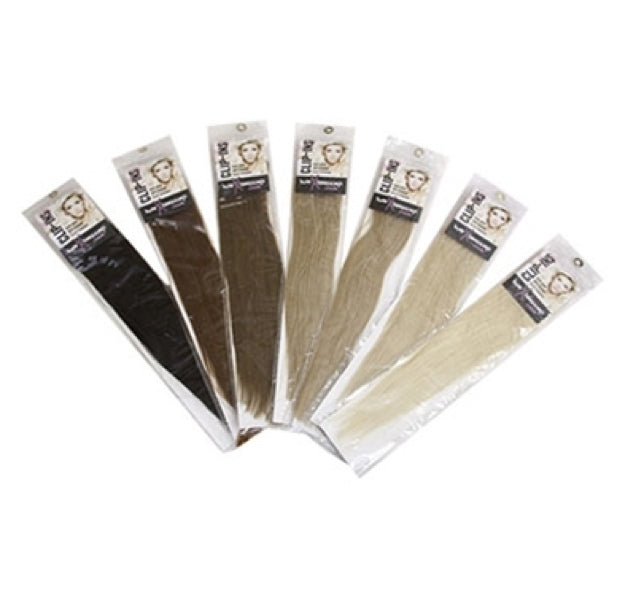
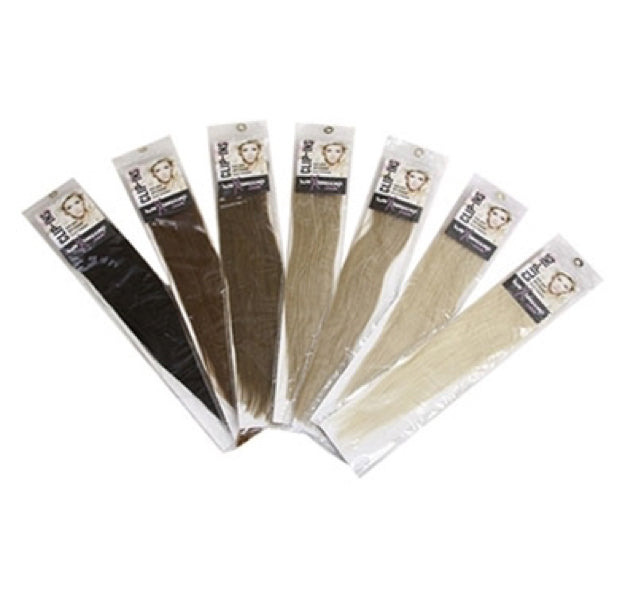
Removable options such as Clip-Ins and ponytail extensions can be useful for occasional wear, events or customers who do not want ongoing salon maintenance.
Professionally fitted extensions include methods such as Nail-Tips, Stick-Tips, Nano-Tips, Tape-Ins, Micro-Loops and hair wefts. These require professional assessment, fitting and ongoing maintenance.
If you are unsure which route to take, start by thinking about how often you want to wear the extensions and whether you are prepared for regular maintenance appointments.
2. The Right Extension Method Depends on Your Hair
There is no single extension method that is best for everyone.
Natural hair density, scalp condition, existing length, strand weight, section size and the desired result can all affect which methods may be suitable.
For example, a client considering Nano-Tips may need a completely different fitting plan from someone considering Tape-Ins or a weft.
Professional Assessment Matters
If you are choosing a fitted extension method, a trained extension professional should assess your natural hair and scalp before recommending a method, quantity or strand weight.
3. Colour Match the Mid-Lengths and Ends
One of the most common mistakes when choosing extensions is matching the roots rather than the lengths.
The extension hair will usually sit alongside the mid-lengths and ends, so those areas are often more important when selecting a shade.
If your hair contains highlights, balayage, lowlights or several tones, you may need more than one extension shade to create a balanced result.
A physical colour ring can also be useful because screen colours may appear different depending on brightness and display settings.
You can use our Hair Extension Colour Chart to compare the shades available.
4. Maintenance Is Part of Wearing Hair Extensions
Professionally fitted extensions do not stay in the same position indefinitely. As the natural hair grows, attachment points gradually move further away from the scalp.
This means maintenance, repositioning or removal will eventually be needed depending on the extension method.
Aftercare is also important between appointments. Brushing, washing, drying, heat styling and product use can all affect how manageable the extensions remain.
Before choosing a fitted method, make sure you understand the maintenance involved and are comfortable following the recommended aftercare routine.
For more information, visit our Hair Extension Aftercare Guide.
5. More Hair Is Not Always Better
The amount of extension hair required depends on the starting point and the result you want to achieve.
Someone looking for a small amount of extra volume may need much less hair than someone planning a major length transformation.
Natural hair density, existing length and the weight of the extension strands all need to be considered.
Adding too much hair simply because you want a dramatic result is not always appropriate. The fitting plan should be based on what the natural hair can suitably support.
Think About Your Desired Length
Longer extensions create a more dramatic transformation, but they can also need more blending if your natural hair is significantly shorter.
If your main goal is fullness rather than length, a shorter extension may sometimes give a more balanced result.
Professional cutting and styling can also help connect the natural hair with the added length after fitting.
Consider How You Usually Style Your Hair
Your everyday hairstyles can influence which extension method and placement work best.
If you regularly wear high ponytails, buns or half-up styles, mention this during your consultation so attachment placement can be planned with those styles in mind.
Different methods can behave differently when the hair is tied up, so styling habits are worth discussing before fitting.
Understand the Difference Between Length and Volume
Hair extensions can be used for length, volume or both, but the fitting plan may be different depending on the goal.
A volume-focused fitting may use less overall hair and concentrate on fuller-looking ends, while a major length transformation may need more extension hair to create a balanced shape.
Be clear about what you want to achieve before ordering or booking a fitting.
Don't Ignore Removal
Professional extension removal is just as important as fitting.
Nail-Tips, rings, Tape-Ins and wefts all require different removal processes and tools.
Extensions should not be pulled or forced out at home. If you wear a professional method, plan for proper removal or maintenance with a trained technician.
Do Your Research Before Choosing
Hair extensions can create a noticeable change in length, volume and overall style, but the best results usually come from good planning rather than rushing into a method.
Start by deciding whether you want removable or professionally fitted extensions, then think about your hair condition, colour, maintenance commitment and desired result.
You can compare professional and removable options in our Hair Extension Methods Guide or browse our Hair Extension Collection to explore available methods, lengths and shades.