



Hair Extensions for Sensitive Scalps: Methods, Irritation Risks & Patch Testing Guide
If you have a sensitive scalp, choosing hair extensions may require a little more care than simply deciding which method you like the look of.
Different extension systems use different attachment materials, including rings, adhesive panels, keratin bonds and clips. For some people, irritation may come from the material itself, while for others it may be caused by tension, product build-up, incorrect placement or an underlying scalp condition.
This guide explains what to consider when choosing hair extensions for sensitive scalps, how irritation can happen, when patch testing may be useful and why there is no single extension method that is automatically suitable for everyone with sensitive skin.
✔ Tell your technician about previous reactions or sensitivities
✔ Ask what attachment materials will be used
✔ Patch test where appropriate
✔ Avoid overly tight fittings
✔ Keep attachment areas clean and dry
✔ Stop and seek advice if significant irritation develops
What Does a Sensitive Scalp Mean?
A sensitive scalp can mean different things to different people.
Some people may experience:
- Itching
- Redness
- Tenderness
- Burning or stinging
- Dryness
- Flaking
- Discomfort from tension
These symptoms can have many possible causes, so it is important not to assume that every reaction is an allergy.
What Can Cause Irritation with Hair Extensions?
Possible causes include:
- Attachment tension
- Adhesive sensitivity
- Contact with metal rings
- Keratin bond materials
- Styling products
- Shampoo or conditioner residue
- Product build-up
- Friction
- An existing scalp condition
Is Scalp Irritation the Same as an Allergy?
No.
Irritation and allergic reactions are not the same thing.
Irritation may come from:
- Friction
- Excessive tension
- Dryness
- Product build-up
An allergic reaction involves the immune system responding to a substance.
Only an appropriate healthcare professional can diagnose an allergy.
Are Hair Extensions Safe for Sensitive Scalps?
Some people with sensitive scalps can wear extensions comfortably, while others may not be suitable for certain methods.
Suitability depends on:
- The scalp condition
- Hair strength
- Hair density
- The attachment material
- Extension weight
- Placement
- Tension
- Aftercare
No extension method should be described as universally safe for sensitive scalps.
Which Hair Extensions Are Best for Sensitive Scalps?
There is no single best method for everyone.
The most suitable option depends on what is causing the sensitivity.
For example:
- If adhesive is the issue, Tape-Ins may not be the best option
- If metal contact is the issue, ring-based methods may need extra consideration
- If tension is the issue, extension weight and placement become especially important
- If the scalp is actively inflamed, fitted extensions may need to be delayed
The best method depends on the reason for the sensitivity. “Sensitive scalp” is not one single condition.
Can Tape-In Extensions Irritate Sensitive Skin?
Potentially, yes.
Tape-In extensions use adhesive panels that sit close to the scalp.
Some people may experience sensitivity to:
- The adhesive
- Removal products
- Product build-up around the tabs
- Incorrect placement
- Excessive tension
Should You Patch Test Tape-In Adhesive?
If you have a history of skin sensitivity or previous reactions to adhesives, patch testing may be worth discussing with your technician.
Follow the guidance for the specific product being used.
Can Nano Rings Irritate the Scalp?
Nano-Tip extensions use small rings.
Discomfort may come from:
- Incorrect placement
- Too much tension
- Unsuitable strand weight
- Contact sensitivity
- Root tangling
Nano Rings should not feel painfully tight.
Can Micro Rings Irritate Sensitive Scalps?
Yes, they can in some cases.
Micro Ring methods such as I-Tips and Micro-Loops create small mechanical attachment points.
If the rings are too tight, too heavy or positioned incorrectly, they can cause discomfort.
Can Silicone-Lined Rings Help?
Some Micro Rings contain a silicone lining.
This creates a softer internal surface between the ring and the natural hair.
However, silicone lining does not guarantee suitability for a sensitive scalp.
Can Nail-Tip / U-Tip Bonds Cause Sensitivity?
Potentially.
Nail-Tip / U-Tip extensions use pre-bonded keratin attachments.
Some people may react to materials used in the bond, while others may experience discomfort from poor placement or excessive strand weight.
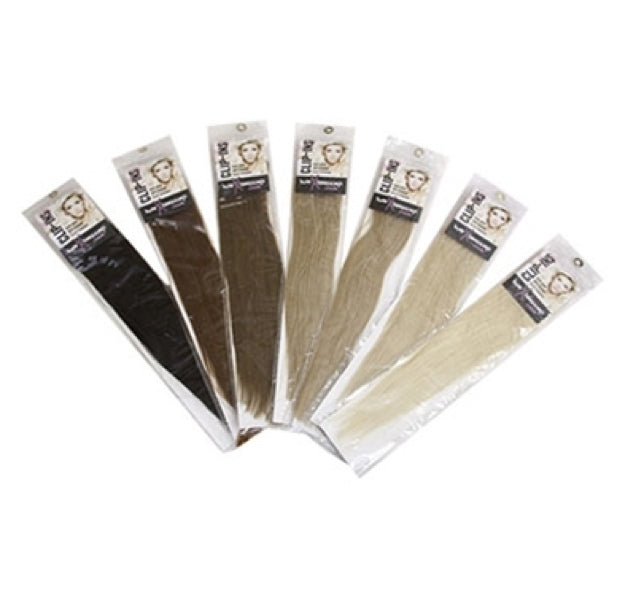
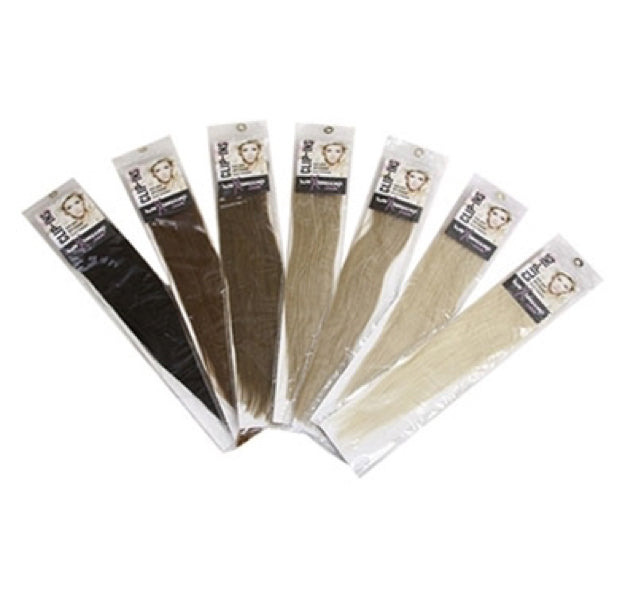
Can Clip-In Extensions Be Better for Sensitive Scalps?
Clip-Ins may appeal to some people because they are removable.
This means they can be worn only when wanted and removed if discomfort develops.
However, clips can still cause pulling if they are:
- Too heavy
- Placed in fragile areas
- Worn for too long
- Attached repeatedly to the same small section
Are Clip-Ins Hypoallergenic?
Do not assume that any extension product is hypoallergenic unless the manufacturer specifically states and supports that claim.
The clips, coatings and other materials may still vary.
Can Hair Wefts Cause Scalp Irritation?
Yes.
Wefts can cause discomfort if:
- The rows are too tight
- The weft weight is excessive
- The stitching creates tension
- The scalp is already sensitive
Can an LA Weave Be Suitable for a Sensitive Scalp?
Potentially, but the fit must be assessed carefully.
An LA Weave uses a ring-based row foundation, so both ring contact and row tension need to be considered.
Can Human Hair Cause Less Irritation Than Synthetic Hair?
Not necessarily.
The source of irritation may be the attachment method, coatings, styling products or scalp condition rather than the fibre type itself.
Human hair is not automatically hypoallergenic.
Can Synthetic Hair Cause Irritation?
Some people may react to synthetic fibres or coatings, but it is not correct to assume synthetic hair always causes irritation.
The individual product and wearer matter.
What Is a Patch Test?
A patch test involves exposing a small area to a product or material before full use.
It may help identify obvious reactions before a complete fitting.
When Should You Consider a Patch Test?
Patch testing may be worth discussing if you have:
- Very sensitive skin
- A history of adhesive reactions
- Previous reactions to hair extension materials
- Known cosmetic sensitivities
Does a Patch Test Guarantee No Reaction?
No.
A negative patch test does not guarantee that a reaction will never occur.
Sensitivity can still develop later.
👉 Read Our Hair Extension Patch Testing Guide
What Should You Tell Your Technician Before Fitting?
Tell your technician if you have:
- Previous adhesive reactions
- Metal sensitivities
- Scalp eczema or dermatitis
- Psoriasis
- Frequent scalp irritation
- Current redness or broken skin
This information may affect whether fitting is appropriate.
Should You Fit Extensions on an Irritated Scalp?
It is usually better to avoid fitting onto actively irritated, sore or broken skin.
If the scalp is inflamed, painful or visibly affected, seek appropriate advice before proceeding.
What If Your Scalp Is Itchy After Fitting?
Mild awareness of new attachment points can happen, but persistent or worsening itching should not be ignored.
Possible reasons include:
- Product build-up
- Tension
- Dryness
- Contact sensitivity
- An underlying scalp condition
What If Your Scalp Feels Tight?
New extensions may feel different at first, but significant tightness or pain is not something to simply tolerate.
Contact the fitting technician if the discomfort persists.
Can Extensions Cause Headaches?
Excessive tension or weight may contribute to discomfort in some people.
If headaches occur after fitting, have the extensions checked.
What If There Is Redness Around the Attachments?
Redness can have several causes, including irritation or pressure.
If redness is persistent, worsening or accompanied by swelling or pain, stop using the relevant product or method and seek appropriate advice.
What If There Is Swelling?
Swelling should not be ignored.
Remove removable extensions and seek appropriate medical advice if there is a significant reaction.
What If the Scalp Is Burning or Stinging?
Burning or stinging can indicate irritation.
Stop using any new products and contact your technician.
If symptoms are severe or worsening, seek medical advice.
Persistent redness
Swelling
Severe itching
Burning or stinging
Broken skin
Discharge
Rapidly worsening symptoms
Can Shampoo Cause Extension Scalp Irritation?
Yes.
Some shampoos may be too strong for a sensitive scalp or may leave residue if not rinsed properly.
Can Conditioner Cause Scalp Irritation?
Potentially.
Rich conditioner should generally be kept mainly through the mid-lengths and ends rather than heavily applied around attachment areas.
Can Dry Shampoo Irritate the Scalp?
Yes, particularly if used frequently and allowed to build up.
Use it sparingly and cleanse the scalp properly when needed.
Can Hair Oil Irritate a Sensitive Scalp?
Potentially.
Some oils or fragrances may not suit everyone.
Heavy oils can also build up around extension attachments.
Can Tea Tree Products Irritate Sensitive Skin?
Yes.
Tea Tree is a natural ingredient, but natural does not mean irritation-free.
Some people may be sensitive to it.
👉 Read Our Tea Tree Shampoo & Hair Extensions Guide
Should You Use Fragrance-Free Hair Products?
Some people with sensitive skin prefer fragrance-free formulas.
However, whether a product is suitable depends on the full formulation, not fragrance alone.
Can Product Build-Up Make a Sensitive Scalp Worse?
Yes.
Build-up from:
- Dry shampoo
- Hairspray
- Oil
- Conditioner
- Scalp sprays
can make the scalp feel uncomfortable or itchy.
How to Wash Extensions with a Sensitive Scalp
Use a gentle technique:
- Brush the hair before washing.
- Wet the scalp thoroughly.
- Use a suitable shampoo.
- Massage gently with fingertips.
- Avoid scratching with nails.
- Rinse thoroughly.
- Condition the mid-lengths and ends.
How Often Should You Wash?
There is no universal schedule.
Wash often enough to keep the scalp clean without repeatedly stripping or irritating it.
Should You Scratch an Itchy Scalp?
No.
Scratching can damage the skin and make irritation worse.
Use gentle fingertip massage instead.
How to Dry Extensions with a Sensitive Scalp
Dry attachment areas thoroughly but gently.
Avoid using extremely hot airflow directly on sensitive areas.
Can Heat Styling Affect a Sensitive Scalp?
Yes.
High heat close to the scalp can increase discomfort.
Keep heated tools away from attachment points and sensitive skin.
How to Brush Extensions with a Sensitive Scalp
Brush gently from the ends upwards.
Support the hair while brushing so attachment areas are not repeatedly pulled.
👉 Read Our Hair Extension Brush & Comb Guide
Can a Wide-Tooth Comb Help?
A wide-tooth comb can be useful for detangling the mid-lengths and ends.
Avoid dragging it directly through fitted attachment points.
Can Tight Hairstyles Make Irritation Worse?
Yes.
Tight ponytails, buns or braids can add additional tension to already sensitive attachment areas.
What Hairstyles Are Better for a Sensitive Scalp?
Low-tension styles may feel more comfortable.
Examples include:
- Loose ponytails
- Loose braids
- Hair worn down
- Soft, low buns
Should You Sleep with Hair Extensions?
Fitted extensions remain in the hair overnight.
Before bed:
- Make sure the hair is dry
- Detangle gently
- Loosely secure the lengths
Can Sleeping Make Scalp Irritation Worse?
It can if attachment areas are pulled or pressed uncomfortably.
If one area consistently feels painful overnight, have the fitting checked.
Can You Exercise with a Sensitive Scalp and Extensions?
Yes, but sweat can contribute to build-up or irritation.
After exercise, keep the scalp clean and dry.
Can Swimming Irritate a Sensitive Scalp?
Chlorine or salt water can irritate some people's skin.
Rinse thoroughly after swimming and dry attachment areas properly.
Can Hard Water Affect a Sensitive Scalp?
Hard water can contribute to mineral build-up on the hair and scalp.
If you notice increased irritation after moving or travelling, water quality may be one factor to consider.
Can Extensions Make Eczema Worse?
If you have scalp eczema, fitting extensions over active irritation may not be appropriate.
Seek professional or medical advice before fitting if the scalp is inflamed.
Can You Wear Extensions with Psoriasis?
That depends on the condition and severity.
If psoriasis affects the scalp, discuss extension suitability with an appropriate healthcare professional and your technician.
Can Extensions Be Worn with Seborrhoeic Dermatitis?
Active scalp conditions need careful assessment.
Fitted extensions may make scalp access and cleansing more difficult.
Seek appropriate advice before fitting.
Can Extensions Cause Contact Dermatitis?
Some materials or products can trigger contact dermatitis in susceptible people.
Possible triggers may include:
- Adhesives
- Metals
- Hair products
- Fragrances
What If You Have a Nickel Allergy?
If you know you have a metal allergy, tell your technician before choosing a ring-based extension method.
Ask about the material used in the rings.
What If You Are Allergic to Adhesive?
Avoid assuming all Tape-In adhesives are the same.
If you have a known adhesive allergy, discuss alternatives with your technician and follow appropriate medical advice.
Can You React to Tape Remover?
Potentially.
Removal products contain ingredients that may not suit everyone.
They should be used according to product instructions and kept away from unnecessary skin contact.
Can You React to Keratin Bonds?
Potentially.
If you have reacted to bonded extensions previously, mention this during your consultation before another fitting.
Can You React to Extension Pliers or Tools?
Professional tools normally have limited skin contact, but sanitation and correct use remain important.
How Important Is Hygiene?
Very important.
Tools and reusable equipment should be handled according to appropriate professional hygiene practices.
Can Poor Maintenance Cause Irritation?
Yes.
Overgrown attachments can:
- Pull differently
- Trap shed hair
- Create tangling
- Make the scalp harder to clean
Do Sensitive Scalps Need More Frequent Maintenance?
Potentially.
If attachments become uncomfortable as the hair grows, the normal maintenance schedule may need reviewing.
When Should Extensions Be Removed?
Removal may be appropriate if:
- Pain persists
- Irritation is worsening
- The scalp is inflamed
- The natural hair is becoming stressed
- The attachments cannot be worn comfortably
Should You Remove Extensions Yourself?
Professionally fitted extensions should generally be removed professionally.
Clip-Ins can be removed at home.
Can You Refit Extensions After a Reaction?
Do not automatically refit using the same method or materials.
First identify, as far as possible, what caused the problem.
Should You Change Extension Method?
Possibly.
If one attachment material consistently causes problems, another method may be worth discussing.
However, the underlying cause should still be understood first.
Which Method Is Best if You Want No Adhesive?
Possible options include:
- Nano-Tips
- I-Tips
- Micro-Loops
- Some hair weft systems
- Clip-Ins
Which Method Is Best if You Want No Metal Rings?
Possible alternatives include:
- Tape-Ins
- Nail-Tip / U-Tip extensions
- Some weft methods
- Clip-Ins
Which Method Is Best if You Want Something Removable?
Clip-In extensions are the main removable option.
They can be applied and removed without salon maintenance appointments.
How to Choose an Extension Method with a Sensitive Scalp
1. Have I reacted to adhesives before?
2. Do I have a metal sensitivity?
3. Is my scalp currently irritated?
4. Does my scalp tolerate pressure well?
5. Can my natural hair support the extension weight?
6. Am I able to keep up with maintenance?
7. Do I need a patch test?
Professional Consultation Is Essential
A professional consultation should assess:
- Scalp condition
- Hair density
- Hair strength
- Previous reactions
- Attachment materials
- Suitable extension weight
- Maintenance requirements
When Should You Seek Medical Advice?
Seek appropriate medical advice if you experience:
- Severe or worsening redness
- Swelling
- Broken skin
- Discharge
- Persistent burning
- Significant pain
- Symptoms that do not improve after the suspected trigger is removed
Can a Sensitive Scalp Still Wear Hair Extensions?
Possibly.
Many people with sensitive scalps can wear extensions comfortably once the correct method, weight and placement are chosen.
Others may find that fitted extensions are not appropriate during periods of active irritation.
Which Hair Extension Method Might Suit You?
If you are unsure which attachment system may fit your hair type and lifestyle, read our complete method suitability guide.
👉 Read Our Hair Extension Method & Suitability Guide
Hair Extension Patch Testing
If you have sensitive skin or a history of cosmetic reactions, patch testing may be worth discussing before fitting.
👉 Read Our Hair Extension Patch Testing Guide
Hair Extension Aftercare
Correct washing, brushing, drying and professional maintenance are especially important when the scalp is sensitive.
👉 Read Our Complete Hair Extension Aftercare Guide
Final Thoughts
There is no single hair extension method that is automatically best for sensitive scalps.
The most suitable choice depends on what triggers the sensitivity, the condition of the scalp, the strength of the natural hair and the materials used in the extension system.
If you have a history of reactions, discuss this before fitting, consider appropriate patch testing and never ignore persistent pain, redness, swelling or irritation.