


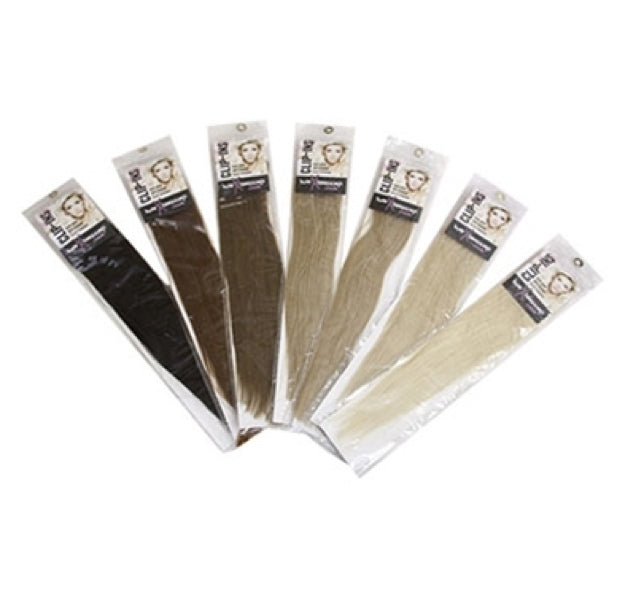
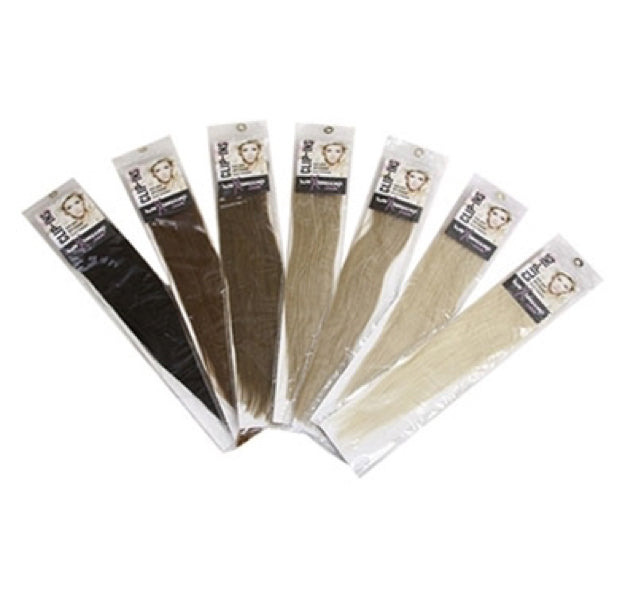
Becoming a hair extensionist can turn an interest in hair extensions into a professional service, whether you plan to work from a salon, rent a chair, offer mobile appointments or build your own extension business.
However, being a successful extensionist involves far more than simply learning how to attach extension hair. You need to understand consultation, natural-hair assessment, colour matching, sectioning, fitting, maintenance, safe removal, aftercare and client communication.
You also need the right professional tools, a clear pricing structure, suitable business arrangements and a way of showing potential clients the quality of your work.
In this guide, we look at some of the key steps involved in becoming a professional hair extensionist and building a service that clients can trust.
If you want to become a hair extensionist, start with suitable professional training in the extension method you intend to offer. Build practical experience in consultation, natural-hair assessment, fitting, maintenance, removal and aftercare before taking on paying clients. You will also need method-specific tools, suitable insurance and business arrangements, clear pricing, a professional portfolio and a reliable way for clients to contact and book you.
What Does a Hair Extensionist Do?
A professional hair extensionist helps clients choose, fit, maintain and remove suitable hair extensions.
The role can include much more than the fitting appointment itself. Depending on the services you offer, your work may include:
- Client consultations.
- Assessing the natural hair and scalp.
- Discussing suitable extension methods.
- Choosing extension length and quantity.
- Colour matching.
- Sectioning and professional fitting.
- Blending extension hair into the natural hair.
- Explaining aftercare.
- Carrying out maintenance appointments.
- Professional extension removal.
- Checking the condition of the natural hair between fittings.
Good extension work combines technical skill with communication, organisation and realistic client expectations.
Do You Need to Be a Hairdresser to Become a Hair Extensionist?
Hairdressing and hair extension fitting are related skills, but they are not exactly the same job.
Many extension professionals are trained hairdressers, while others specialise primarily in extension services.
What matters is that you have suitable training for the services and extension methods you intend to provide and understand the limits of your own training.
If you also intend to offer cutting, colouring or other hairdressing services, make sure you have the appropriate knowledge and training for those services as well.
1. Start with Professional Hair Extension Training
Professional training should be the starting point for anyone intending to fit permanent or semi-permanent hair extensions for paying clients.
Watching videos online can be useful for revising techniques, but it is not a substitute for structured training and practical experience.
A good course should help you understand the complete service rather than simply showing you how to attach extension hair.
Consultation
Learn how to discuss the client's hair, lifestyle, expectations and suitability before fitting.
Sectioning
Correct section size and clean placement are fundamental to a professional extension application.
Application
Learn the correct method-specific technique, positioning and tools for the extension system being used.
Removal
Safe removal is just as important as application and requires the correct products, tools and technique.
Maintenance
Understand when clients should return and what needs checking as the natural hair grows.
Aftercare
Clients need clear information about washing, brushing, drying, sleeping and styling their extensions.
2. Choose Which Hair Extension Methods You Want to Offer
You do not necessarily need to learn every extension system immediately. Many professionals begin with one or two methods and expand their services as their training and experience develop.
Popular professionally fitted methods include:
- Nail-Tip / U-Tip pre-bonded extensions.
- Stick-Tip / I-Tip extensions.
- Nano-Tip extensions.
- Micro-Loop extensions.
- Tape-In extensions.
- Professionally fitted Hair Wefts.
Each method has different attachment systems, tools, maintenance requirements and removal procedures.
Learn each method properly rather than assuming that experience with one system automatically qualifies you to use another.
Compare Hair Extension Methods Fitting & Removal Guides3. Learn How to Carry Out a Proper Consultation
One of the most important professional skills happens before any extensions are fitted.
A consultation gives you the opportunity to examine the client's natural hair, understand the result they want and decide whether the requested extension method is suitable.
Your consultation may consider:
- Natural hair length.
- Hair density and condition.
- Scalp condition.
- Previous extension history.
- Desired length and volume.
- Preferred fitting method.
- Extension weight and quantity.
- Colour matching.
- Lifestyle and maintenance expectations.
- Previous sensitivities or relevant concerns.
- Aftercare requirements.
A good extensionist should also be prepared to explain when a requested result is unrealistic or when fitting extensions should be postponed.
Hair Extension Consultation Guide4. Learn Natural-Hair Assessment
Hair extensions add additional hair and weight to the client's natural hair, so suitability cannot be decided from the desired hairstyle alone.
A professional extensionist needs to assess whether the natural hair can appropriately support the selected method and planned extension weight.
Fine, thick, short, long, fragile and heavily processed hair may all require different approaches.
Heavier is not automatically better. Extension weight, strand size and overall quantity should be selected around the client's natural hair and the fitting plan rather than simply choosing the thickest option available.
5. Become Confident with Colour Matching
Even technically excellent extension fitting can look obvious if the colour does not blend with the client's natural hair.
Learn to compare the extension shade with the client's mid-lengths and ends rather than automatically matching the root colour.
Highlighted, balayage, ombre and multi-tonal hair may require additional thought when choosing shades.
A professional colour ring can be particularly useful when carrying out face-to-face consultations because it allows shades to be compared directly with the client's hair.
Hair Extension Colour Chart Shop Colour Rings6. Learn Correct Fitting and Removal
Fitting is only half of the professional service.
You should also understand maintenance, repositioning where applicable and the correct removal technique for every method you offer.
Incorrect removal can place unnecessary stress on the natural hair, while using the wrong removal tool or solution can make the process more difficult.
HairXtensions provides method-specific fitting and removal guides for Nail-Tip, Stick-Tip, Nano-Tip, Micro-Loop, Tape-In and Hair Weft methods, alongside guides for removable extensions.
Our online guides are useful professional reference material, but they do not replace suitable practical training in the extension method being used.
7. Build a Professional Hair Extension Toolkit
Once you have chosen the methods you intend to offer, build your toolkit around those specific systems.
Depending on your services, professional equipment may include:
- Sectioning clips and combs.
- Application and removal pliers.
- Micro or Nano Ring threaders.
- Heat connectors for suitable pre-bonded methods.
- Heat protection shields.
- Keratin removal tools and remover.
- Tape replacement and removal products.
- Needles and thread for suitable Hair Weft methods.
- Colour rings.
- Hair extension holders and organisation tools.
Do not assume that one tool kit is suitable for every extension method. Always check that the equipment is designed for the application or removal technique you have been trained to perform.
Hair Extension Starter Kits Application Tools Removal Tools8. Practise Before Taking Paying Clients
Completing training is an important milestone, but confidence and consistency develop through practice.
Follow the practice recommendations given by your trainer and work on producing clean, consistent sectioning and attachment placement.
You should be able to carry out the complete service confidently, including consultation, application, aftercare advice, maintenance and removal.
Avoid rushing into a full client diary before you are comfortable delivering the service safely and consistently.
9. Understand Hair Extension Aftercare
A successful extension service continues after the client leaves your chair.
Clients need clear instructions on how to care for their extensions at home.
You should be confident explaining:
- How to brush extension hair correctly.
- How to wash fitted extensions.
- Where conditioner should and should not be applied.
- How to dry the attachment areas properly.
- How to use heated styling tools carefully.
- Why oils should be kept away from fitted bonds, tapes and rings.
- Why fitted extensions should not be slept in while wet or damp.
- When maintenance appointments are required.
10. Decide How You Want to Work
Hair extensionists can build their businesses in several different ways.
Salon Employee
Work as part of an established salon and provide extension services alongside its existing treatments.
Chair Rental
Operate independently from a salon environment while using an existing professional workspace.
Home-Based
Some extensionists operate from an appropriate dedicated space at home, subject to relevant business and insurance requirements.
Mobile Extensionist
Travel to clients, taking the professional equipment and supplies required for each appointment.
Whichever model you choose, check the insurance, business, property and other requirements that apply to your particular circumstances before taking clients.
11. Arrange Appropriate Business Insurance
Before providing professional services to paying clients, investigate suitable insurance for the work you intend to perform.
Insurers may have their own requirements regarding training, qualifications, treatments and working arrangements, so confirm that the specific extension methods you provide are appropriately covered.
Keep your training certificates and other relevant documentation organised in case they are requested.
12. Work Out Your Hair Extension Prices Properly
Pricing should cover more than simply the cost of the extension hair.
When calculating your prices, consider:
- Extension hair and consumables.
- Your appointment time.
- Consultation time.
- Salon or workspace costs.
- Insurance and business costs.
- Professional tools and equipment.
- Payment processing and booking costs.
- Marketing and photography.
- Maintenance and removal services.
- Your level of training and experience.
Charging too little may seem like an easy way to attract new clients, but a price that does not cover your real costs is difficult to maintain as the business grows.
13. Create a Clear Consultation and Booking Process
Make it easy for potential clients to understand what happens before their appointment.
Your process might include an initial enquiry, consultation, colour match, confirmation of the chosen method and length, deposit where applicable, fitting appointment and maintenance plan.
Clear communication helps reduce misunderstandings over colour, length, quantity, maintenance and the final result.
14. Build a Strong Hair Extension Portfolio
Potential clients want to see the quality of your work before booking.
Take clear before-and-after photographs wherever the client has given appropriate permission.
Try to show more than just dramatic transformations. A strong portfolio can include:
- Different extension methods.
- Blonde, brunette, red and multi-tonal colours.
- Length transformations.
- Volume-only applications.
- Short-hair blending.
- Close-up examples of clean fitting work.
- Maintenance appointments.
- Finished styling.
Keep photographs well lit and representative of the actual result rather than relying on heavy filters that change the hair colour.
15. Ask Happy Clients for Reviews
Genuine client reviews can help new customers feel more confident about booking.
Once a client has experienced your service, make it easy for them to leave feedback on the platforms that matter to your business.
Reviews can be particularly valuable for local businesses because potential clients are often choosing between extension specialists in the same area.
16. Use Social Media to Show Your Work
Hair extensions are highly visual, making social media a useful way to showcase transformations and demonstrate your expertise.
Instead of only posting finished photographs, create content that helps potential clients understand your service.
Before & After
Show the starting hair and finished transformation clearly.
Method Education
Explain the differences between Nano-Tips, Tape-Ins, pre-bonded extensions and other methods you offer.
Aftercare Tips
Useful client education can demonstrate knowledge while helping existing clients care for their extensions.
Behind the Scenes
Show consultations, colour matching, preparation and your professional workspace.
17. Make Your Business Easy to Find Locally
Most extension clients want someone they can visit locally for consultation, fitting and maintenance.
Make your business location or service area clear across your website, social profiles and business listings.
Use consistent contact information and explain whether you work from a salon, offer mobile appointments or cover particular towns and areas.
HairXtensions also offers a free Salon Directory listing for qualifying hair extension professionals.
HairXtensions Salon Directory18. Encourage Clients to Return for Maintenance
Professional hair extensions are not simply fitted and forgotten.
Depending on the method, clients may require regular maintenance, repositioning or removal as their natural hair grows.
Explain the maintenance schedule during the consultation and remind the client when their next appointment is likely to be required.
Reliable maintenance can help you build longer-term client relationships rather than relying entirely on one-off appointments.
19. Keep Learning
Extension methods, tools and products continue to develop, so professional learning should not stop when your first training course finishes.
Refresh existing skills, consider additional method-specific training and keep up to date with the products and techniques you use.
If you decide to add a new extension method to your price list, learn that system properly before offering it to clients.
20. Know When to Say No
One of the signs of a professional extensionist is knowing when not to proceed with a fitting.
If you are concerned about the condition of the natural hair or scalp, the amount of weight requested, attachment coverage or another aspect of the proposed service, discuss the concern honestly with the client.
Never promise a particular result simply because it is what the client wants to hear.
Protecting the client's natural hair and maintaining realistic expectations is more important than securing one appointment.
A Simple Roadmap to Becoming a Hair Extensionist
Choose Your Method
Decide which professional extension system you want to learn first.
Complete Suitable Training
Learn consultation, application, maintenance, removal and aftercare through appropriate practical training.
Build Your Toolkit
Purchase professional equipment designed for the extension methods you have learned.
Practise
Develop consistent sectioning, application and removal skills before building a full paying-client diary.
Set Up the Business
Arrange suitable insurance, pricing, policies, booking arrangements and an appropriate professional workspace.
Build Your Portfolio
Photograph your work clearly and begin building genuine client reviews and examples.
Market Locally
Use social media, local listings and word of mouth to help suitable clients find your extension services.
Keep Developing
Continue learning, add new methods carefully and keep improving the client experience.
Professional Resources from HairXtensions
HairXtensions supplies human hair extensions, professional tools, starter kits, fitting and removal products, colour rings and aftercare products for extension professionals across the UK.
Our online professional resources also include method comparisons, fitting/removal guides, consultation information, aftercare advice and a Salon Directory for qualified extension professionals.
Shop Starter Kits Professional Guides Join the Salon DirectoryBecoming a Hair Extensionist – FAQs
How do I become a hair extensionist?
Start by choosing the extension method you want to offer and completing suitable professional training. Develop practical skills in consultation, fitting, maintenance, removal and aftercare before offering the service professionally.
Do I need hair extension training?
Professionally fitted extension methods require method-specific knowledge and practical skill. HairXtensions recommends suitable training before offering professional application or removal services.
Can I become a hair extensionist without being a hairdresser?
Hair extension fitting is a specialist skill in its own right. Whatever your background, you should have appropriate training for the extension methods and services you intend to offer and stay within the limits of your training.
Which hair extension method should I learn first?
That depends on the clients you intend to serve and the type of service you want to offer. Nail-Tip, Stick-Tip, Nano-Tip, Micro-Loop, Tape-In and Hair Weft methods all use different application and removal techniques.
Do I need insurance to work as a hair extensionist?
If you intend to work professionally, investigate suitable business and treatment insurance before taking clients. Requirements can vary between insurers and working arrangements, so confirm that the specific extension services you offer are covered.
What tools does a hair extensionist need?
This depends on the method. Professional equipment may include application or removal pliers, ring threaders, heat connectors, heat shields, sectioning tools, removal solutions, replacement tapes, colour rings and other method-specific equipment.
Do hair extension starter kits replace training?
No. A starter kit can provide compatible tools and equipment for a particular method, but it does not replace suitable professional education and practical training.
How can a new hair extensionist get clients?
Build a strong portfolio, collect genuine client reviews, use social media to demonstrate your work, make your service area clear and develop local visibility through business listings and word of mouth.
How should I price hair extension services?
Consider the cost of the extension hair, consumables, appointment time, consultation, workspace, tools, insurance, business costs and your training and experience. Your price needs to support the real cost of delivering the service.
How do I join the HairXtensions Salon Directory?
Qualified hair extension professionals can apply for a free listing in the HairXtensions Salon Directory by supplying their business and qualification details for review.
Turn Your Hair Extension Skills into a Professional Service
Building a successful hair extension career takes more than learning one fitting technique. Invest in suitable training, learn to assess each client individually, use the correct professional tools, provide clear aftercare and continue developing your skills as your business grows.
Hair Extension Starter Kits Fitting & Removal Guides Apply for a Salon Listing