



How to Fit a Clip-In Fringe: Step-by-Step Application, Positioning & Blending Guide
A Clip-In Fringe can change the look of your hairstyle in minutes, but getting the placement right makes a huge difference to how natural and comfortable the finished result looks.
This guide explains how to fit a Clip-In Fringe properly, including where to position it, how to hide the clips, how to blend the sides, how to trim it if needed and how to avoid the most common fitting mistakes.
If you already know what Clip-In Fringes are and want a broader guide to colours, styling, washing and storage, we also have a separate complete fringe guide. This page focuses specifically on application, positioning and blending.
✔ Start with clean, dry, detangled hair
✔ Position the fringe before closing the clips
✔ Check the length before trimming anything
✔ Keep the clips beneath enough natural hair
✔ Blend the sides into the surrounding hairstyle
✔ Reposition if the fringe feels too tight or looks too heavy
What Is a Clip-In Fringe?
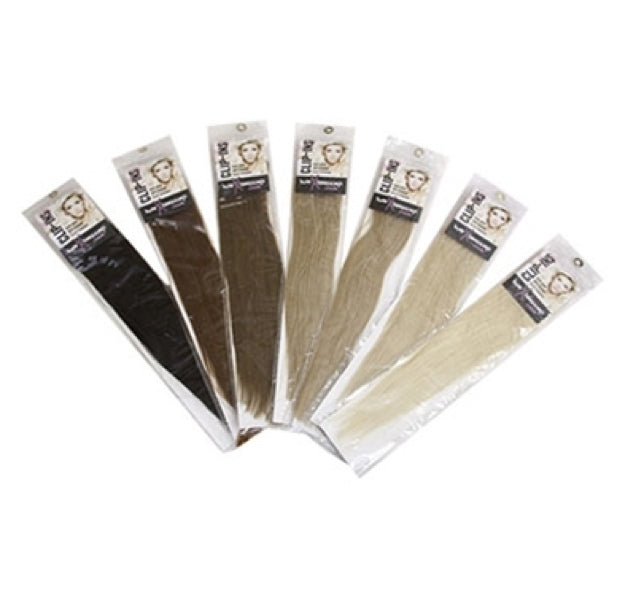
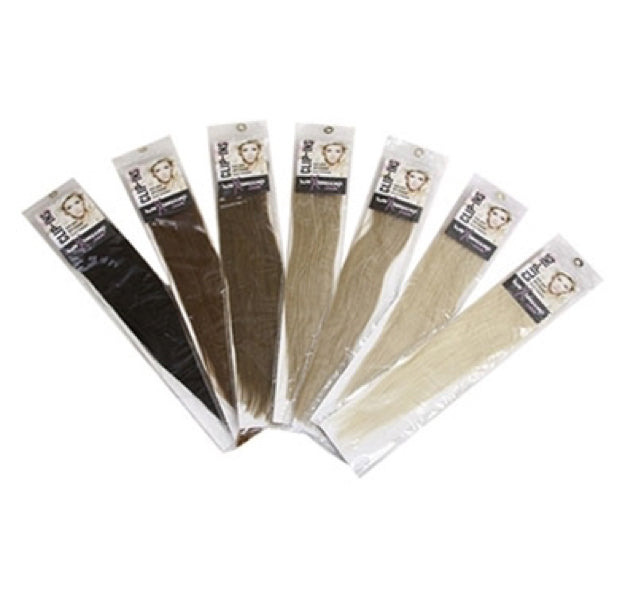
A Clip-In Fringe is a removable human hair piece designed to create the appearance of bangs without permanently cutting the natural hair.
HairXtensions Clip-In Fringes use three built-in clips that attach to sections of natural hair at the front of the head.
Because the fringe is removable, you can wear it only when you want the look.
What You Need Before Fitting a Clip-In Fringe
Before you start, it helps to have:
- Your Clip-In Fringe
- An extension-friendly brush or wide-tooth comb
- A mirror
- Sectioning clips
- A straightener or styling tool if required
- Heat protection if using heated tools
Should Your Hair Be Clean Before Fitting?
Your hair should be clean, dry and free from excessive product build-up.
Very oily roots may make the clips less secure, while heavy styling products can make positioning more difficult.
The hair does not need to be freshly washed immediately before fitting, but it should feel clean and manageable.
Should You Brush Your Hair First?
Yes.
Brush the natural hair and fringe gently before fitting.
This helps remove tangles and makes sectioning easier.
How to Fit a Clip-In Fringe Step by Step
- Brush your natural hair and the fringe gently.
- Decide roughly where you want the fringe to sit.
- Create a small section of natural hair at the front.
- Open all three clips on the fringe.
- Position the fringe lightly against the head.
- Check the length before securing it.
- Adjust the position forward or backward as needed.
- Close the clips once you are happy with placement.
- Release surrounding natural hair over the edges.
- Blend and style the fringe into the rest of the hair.
Where Should a Clip-In Fringe Sit?
There is no single exact position that works for everyone.
The ideal position depends on:
- Your forehead shape
- The length of the fringe
- Your natural parting
- The style you want
Small changes in placement can make the fringe look noticeably shorter, longer, fuller or softer.
Before closing the clips, move the fringe a few millimetres forward or backward and check how the length changes. Do this before trimming anything.
How Far Back Should a Clip-In Fringe Be Positioned?
If the fringe sits too far forward, it may look too short or too dense.
If it sits too far back, it may look too long or leave the attachment area more exposed.
The best position is where:
- The fringe length looks natural
- The clips can be concealed
- The piece feels secure
- The sides blend into the surrounding hair
How to Hide the Clips
The clips should sit beneath enough natural hair to remain concealed.
To help hide them:
- Avoid placing the fringe directly on an exposed parting
- Leave enough natural hair around the sides
- Use surrounding hair to cover the clip area
- Check the result from more than one angle
What If the Clips Are Still Visible?
If you can see the clips:
- Move the fringe slightly
- Change the parting
- Release more natural hair over the attachment area
- Recheck the side sections
Do not rely on heavy styling products to hide poorly positioned clips.
How to Blend the Side Sections
The side sections of the fringe should flow into the natural hair rather than stop abruptly.
Useful techniques include:
- Brushing the natural hair and fringe together
- Using a small amount of heat styling
- Shaping the side sections
- Using soft waves to connect the fringe to longer hair
How to Make a Clip-In Fringe Look More Natural
A natural-looking result depends on more than just clipping it in.
Focus on:
- Accurate colour matching
- Correct placement
- Blending the side sections
- Matching the texture of the fringe to the natural hair
- Professional trimming if needed
How Important Is Colour Matching?
Very important.
Because the fringe sits at the front of the hairstyle, even small colour differences can be noticeable.
Compare the fringe against:
- Your roots
- The hair around your face
- Your mid-length colour
- Your highlights
Should a Fringe Match the Roots or Mid-Lengths?
For a fringe, the hair around the front and root area is usually especially important.
However, the colour should still work with the overall hairstyle.
If your hair is multi-tonal, choose the shade that looks most natural around the face.
👉 View the HairXtensions Hair Extension Colour Chart
Should You Trim a Clip-In Fringe?
You can, but trimming should be done carefully.
Before cutting:
- Try different positions
- Check how the fringe looks styled
- Make sure it is sitting correctly
Often, a fringe that looks too long simply needs to be positioned slightly further back.
Can a Hairdresser Trim a Clip-In Fringe?
Yes.
If the fringe needs shaping, a professional hairdresser can trim it more accurately while considering your natural hair and face framing.
This is especially useful if you want:
- A softer fringe
- Curtain bangs
- A side-swept effect
- A shorter full fringe
Can You Cut a Clip-In Fringe Yourself?
You can, but there is no way to restore the length once it has been cut.
If you do choose to trim it yourself, remove only a very small amount at a time.
How to Create a Full Fringe
For a fuller look:
- Position the fringe where more hair sits across the forehead
- Style the strands forward
- Use a small amount of controlled heat if needed
Do not move the fringe so far forward that the clips become difficult to conceal.
How to Create Curtain Bangs
A Clip-In Fringe can sometimes be shaped into a curtain-style look.
This may involve:
- Creating a centre parting
- Sweeping the sides away from the face
- Adding a small amount of bend
- Professional shaping if needed
How to Create Side-Swept Bangs
Position the fringe normally, then direct the hair gently to one side.
A small amount of heat styling can help encourage the direction.
Can You Straighten a Clip-In Fringe?
Yes.
Human hair fringes can generally be straightened with suitable care.
Use heat protection and avoid excessive temperatures.
Can You Curl a Clip-In Fringe?
Yes.
A small amount of curve can help the fringe sit more naturally.
Often, only a slight bend is needed rather than a full curl.
Should You Style the Fringe Before or After Fitting?
Both approaches can work.
It can be useful to make basic adjustments before fitting, then complete the final styling once the fringe is in place.
Can You Use Hairspray?
Yes, but use it sparingly.
Too much product can make the fringe look stiff or heavy.
Can You Use Dry Shampoo?
A small amount can be useful if the fringe starts to look shiny between washes.
Avoid excessive build-up around the clips.
How to Fit a Clip-In Fringe on Fine Hair
Fine hair may make the clips easier to see, so placement needs to be more precise.
Useful tips include:
- Avoid placing the fringe directly on a sparse parting
- Use enough natural hair to cover the clips
- Do not force the clips into fragile sections
How to Fit a Clip-In Fringe on Thick Hair
With thicker hair, the main goal is usually to make sure the fringe does not disappear beneath too much surrounding hair.
Blend the sides carefully and keep the front section balanced.
How to Fit a Clip-In Fringe on Straight Hair
Straight hair can make the edges of the fringe more obvious.
Precise placement and side blending are especially important.
How to Fit a Clip-In Fringe on Wavy Hair
The fringe may need light styling so it matches the texture of the natural hair.
Gentle waves can help soften the transition between the fringe and longer sections.
How to Fit a Clip-In Fringe on Curly Hair
Human hair fringes can be styled to better match curly or textured hair.
The amount of styling required depends on the natural curl pattern.
Can You Wear a Clip-In Fringe with a Centre Parting?
Yes.
For curtain-style fringes, a centre parting can work particularly well.
Can You Wear a Clip-In Fringe with a Side Parting?
Yes.
The fringe can be positioned and styled to work with a side parting.
Can You Wear a Clip-In Fringe with a Ponytail?
Yes.
A fringe can work especially well with ponytails and buns because it changes the front of the hairstyle while the rest of the hair is pulled back.
Can You Wear a Clip-In Fringe with Hair Extensions?
Yes.
A removable fringe can be worn alongside:
- Nano-Tips
- I-Tips
- Tape-Ins
- Hair Wefts
- Clip-In sets
The key is keeping each attachment area appropriately concealed.
Can You Wear a Clip-In Fringe with Clip-In Extensions?
Yes.
A full Clip-In set can add length and volume through the back while the fringe changes the front of the hairstyle.
Make sure all pieces are colour matched.
What If the Fringe Looks Too Thick?
Before trimming, try:
- Moving it slightly further back
- Changing the parting
- Blending more natural hair through the sides
If it still feels too dense, professional shaping may help.
What If the Fringe Looks Too Thin?
If the piece does not create enough coverage, check whether:
- It is positioned too far back
- Too much natural hair is sitting over it
- The styling is separating the strands too much
What If the Fringe Looks Too Long?
Move it slightly further back before trimming.
This can shorten the visible fringe length without cutting it.
What If the Fringe Looks Too Short?
Try moving it slightly further forward.
Do not position it so far forward that the clips become visible.
What If the Fringe Feels Too Tight?
Remove it and reposition it.
The clips should feel secure but should not create significant pulling or pain.
A Clip-In Fringe should never feel painfully tight. If it does, remove it and adjust the placement rather than forcing it to stay in position.
What If the Fringe Keeps Moving?
Possible reasons include:
- Oily roots
- Poor positioning
- The clips not being fully closed
- The attachment section being too small or too smooth
Reposition before adding more styling product.
Should You Backcomb the Hair Before Clipping?
Some people use light backcombing to create extra grip, but it is not always necessary.
If used, keep it minimal and avoid aggressive teasing that could unnecessarily stress the natural hair.
How Long Does It Take to Fit a Clip-In Fringe?
Once you are familiar with the position, fitting usually takes only a few minutes.
The first few attempts may take longer while you experiment with placement.
Should You Remove the Fringe Every Night?
Yes.
Clip-In Fringes are removable extensions and should generally be taken out before sleeping.
How to Remove a Clip-In Fringe
- Locate each clip.
- Open the clips fully.
- Release the fringe gently.
- Remove it without pulling.
- Brush gently before storing.
Can You Shower in a Clip-In Fringe?
No.
Remove it before showering.
Can You Swim in a Clip-In Fringe?
It is best to remove it before swimming.
Chlorine, salt water and repeated soaking can contribute to dryness and tangling.
Can You Exercise in a Clip-In Fringe?
For light activity it may be possible, but removing it before strenuous exercise is usually easier on both the fringe and the natural hair.
How Often Should You Wash a Clip-In Fringe?
Because the fringe is removable, it does not need washing as frequently as natural hair.
Wash it when it has:
- Product build-up
- Lost its fresh feel
- Been worn repeatedly
- Been exposed to strong odours
How to Wash a Clip-In Fringe
- Detangle gently before washing.
- Use lukewarm water.
- Apply suitable shampoo.
- Rinse thoroughly.
- Apply conditioner through the hair.
- Rinse again.
- Remove excess water carefully.
- Allow the fringe to dry fully before storage.
How to Brush a Clip-In Fringe
Support the top of the hairpiece while brushing gently through the lengths.
Avoid pulling hard on the clips.
👉 Read Our Hair Extension Brush & Comb Guide
How to Store a Clip-In Fringe
Before storing:
- Make sure it is completely dry
- Brush it gently
- Close the clips
- Keep the hair smooth
- Store somewhere clean and dry
Can You Store It in the Original Packaging?
Yes, provided the fringe is dry and arranged so it does not become badly tangled or crushed.
How Long Do Clip-In Fringes Last?
The lifespan depends on how often they are worn and how they are cared for.
Factors include:
- Washing frequency
- Heat styling
- Brushing
- Product use
- Storage
- How often the fringe is worn
Can You Colour a Clip-In Fringe?
Chemically colouring extension hair can produce unpredictable results.
Where possible, choose the closest shade before fitting.
Can You Bleach a Clip-In Fringe?
Bleaching extension hair is not recommended as a simple colour-matching solution.
Lightening previously processed hair can affect its condition and produce unpredictable results.
How to Make a Clip-In Fringe Look Professional
The most important factors are:
- Good colour match
- Correct positioning
- Hidden clips
- Balanced density
- Well-blended sides
- Appropriate styling
Common Clip-In Fringe Fitting Mistakes
- Positioning the fringe too far forward
- Positioning it too far back
- Cutting before testing different positions
- Leaving the clips visible
- Ignoring the side sections
- Using too much styling product
- Wearing the fringe when it feels uncomfortable
Clip-In Fringe Fitting Checklist
✔ Is the length right?
✔ Are all three clips secure?
✔ Are the clips concealed?
✔ Do the side sections blend?
✔ Does the colour match around the face?
✔ Does the fringe feel comfortable?
✔ Have you checked it from the front and sides?
Shop Clip-In Fringe Hair Extensions
HairXtensions Clip-In Fringes are made from human hair and feature three built-in clips for removable application.
✂️ Shop Clip-In Fringe Hair Extensions
Complete Clip-In Fringe Guide
If you want more information about fringe styles, colour matching, washing, storage and everyday care, read our broader Clip-In Fringe guide.
👉 Read Our Complete Clip-In Fringe Guide
Need Help Choosing a Fringe Colour?
Compare your natural hair with the HairXtensions colour range before trimming or altering the fringe.
👉 View the HairXtensions Colour Chart
Hair Extension Aftercare
Even removable extensions benefit from correct brushing, washing, heat styling and storage.