

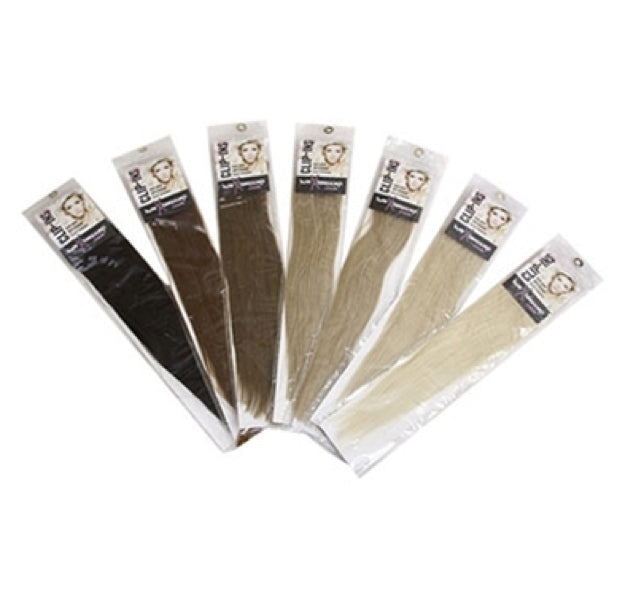
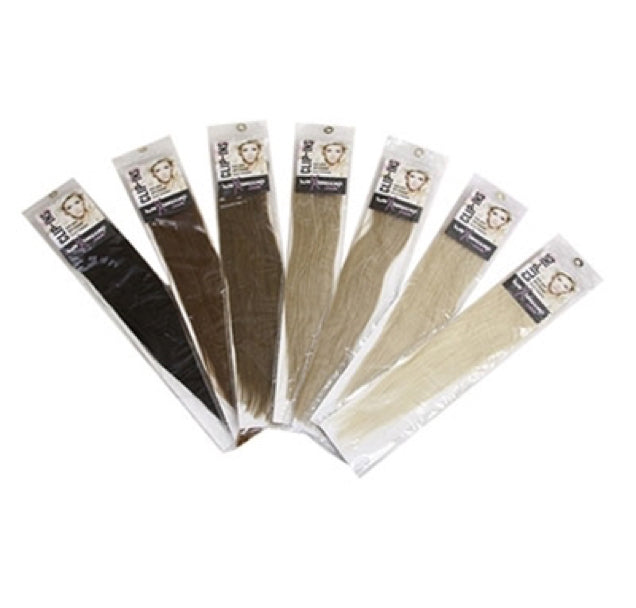
Tape-In hair extensions are a popular way to add extra length, volume and thickness while keeping the attachment areas relatively flat and discreet.
But because Tape-Ins rely on adhesive tabs, their aftercare needs a little extra attention. Products, oils, moisture and direct heat around the attachment areas can all affect how securely the tapes perform.
Following the right routine can help keep your extension hair soft and manageable while also protecting the adhesive attachments between maintenance appointments.
✨ Tape-In Aftercare at a Glance
- Brush gently from the ends upwards.
- Support the hair around the attachment areas while brushing.
- Wash your extensions upright.
- Keep conditioner, oils and rich treatments away from the tape tabs.
- Dry the roots and attachment areas completely.
- Never sleep with wet or damp Tape-In extensions.
- Use heat protection on the extension lengths.
- Keep straighteners, curling tools and concentrated heat away from the adhesive tabs.
Why Is Tape-In Aftercare So Important?
Tape-In extensions are different from methods such as Nail-Tips, Nano-Tips or Hair Wefts because the extension hair is attached using a flat adhesive strip.
This means your routine needs to protect two things at the same time:
- The extension hair – helping the lengths stay soft, manageable and less prone to tangling.
- The adhesive attachment – keeping oils, rich products and unnecessary heat away from the Tape-In tabs.
Good aftercare can also help reduce unnecessary pulling, tangling and premature slipping.
🤎 Explore Tape-In Hair Extensions
Compare our current Remy-graded human hair Tape-In extensions, available in a wide range of shades and lengths.
1. Brush Your Tape-In Extensions Carefully
Regular gentle brushing helps prevent knots and tangles from building up through the lengths.
Start at the ends of the hair and gradually work upwards rather than pulling a brush straight through from the roots.
When brushing closer to the scalp, support the hair near the roots and attachment areas with your other hand. This helps reduce unnecessary pulling against the tape tabs.
💡 Brushing Tip
Take your time around the attachment areas. Your goal is to keep the surrounding natural hair neat without repeatedly dragging the brush directly against the Tape-In tabs.
2. Wash Tape-In Extensions Upright
When washing professionally fitted extensions, keep your hair in its natural downward position.
Avoid turning your head upside down and vigorously scrubbing the hair together, as this can encourage unnecessary tangling around the roots and attachment areas.
Use lukewarm water and gently work suitable shampoo through the scalp and natural hair.
Allow the shampoo and water to travel down through the lengths rather than aggressively rubbing the extension hair together.
3. Be Careful Where You Apply Conditioner
Conditioner is useful for keeping the extension lengths manageable, but it should be kept away from the Tape-In attachment areas.
Apply conditioner primarily through the mid-lengths and ends.
⚠️ Keep Rich Products Away From Tape Tabs
Oils, conditioners, intensive treatments and heavy creamy styling products should not be applied directly onto Tape-In adhesive areas, as they can interfere with adhesive performance.
4. Keep Oils and Serums Away From the Attachments
Hair oils and serums can be useful on dry-looking extension ends when used appropriately, but placement matters.
Don't work oil into the scalp or directly over the Tape-In tabs.
If you use a small amount of smoothing product, concentrate it through the extension lengths and ends rather than close to the adhesive.
5. Dry the Tape-In Attachments Thoroughly
One of the most important Tape-In aftercare rules is to make sure the roots and adhesive attachment areas are completely dry.
Don't leave the Tape-In tabs damp for long periods and don't go to bed while the roots or attachments are still wet.
After Washing:
- Gently remove excess water without aggressively rubbing the hair.
- Separate the hair into manageable sections.
- Make sure the roots are properly dried.
- Check that the Tape-In attachment strips are completely dry.
- Only go to bed once both the natural hair and extension attachment areas are dry.
6. Never Sleep With Wet Tape-In Extensions
Sleeping with wet or damp extension hair can increase tangling and matting around the roots.
It also means the Tape-In attachment areas remain damp for an unnecessarily long period.
Before going to bed, make sure your hair is thoroughly dry and gently detangled.
A loose braid can help keep longer extension hair more controlled overnight.
7. Use Heat Protection When Styling
HairXtensions Tape-Ins use human hair, so the extension lengths can be curled, straightened and heat styled carefully.
However, extension hair can become dry when exposed to excessive temperatures or repeated heat styling.
Use a suitable thermal protection product and choose the lowest effective temperature for the style you're creating.
🔥 Tape-In Heat Styling Rule
Style the human hair lengths, but never clamp straighteners or curling tools directly over the adhesive Tape-In attachment.
For more detailed heat advice, read our Using Heat on Hair Extensions Guide.
8. Avoid Excessive Product Build-Up
Using too much product around the roots can create build-up near Tape-In attachments.
This is particularly important with products containing oils or rich conditioning ingredients.
More product doesn't necessarily mean better aftercare. Use only what your extension hair needs and concentrate moisturising products through the lengths and ends.
9. Watch for an Oily or Greasy Scalp
Tape-In extensions may not be suitable for everyone.
If your scalp or natural hair becomes particularly oily or greasy, excess natural oil can affect how well the adhesive performs.
This may increase the chance of Tape-In extensions moving or slipping sooner than expected.
💡 Considering Tape-Ins?
If you naturally have very oily or greasy hair, speak to an experienced extension professional before fitting so they can assess whether Tape-Ins are appropriate for you.
Read more in our guide: Are Tape-In Hair Extensions Suitable for Oily or Greasy Hair?
10. Know the Difference Between Hair Growth and Slipping
As your natural hair grows, professionally fitted Tape-In attachments will naturally move further away from the scalp.
This doesn't automatically mean the adhesive itself has slipped.
However, if an attachment starts moving unexpectedly soon after fitting or appears loose, contact your extensionist rather than trying to secure it yourself.
Several factors can contribute to Tape-In slipping, including incorrect application, unsuitable preparation, excess oils and product build-up around the attachment area.
For more information, read Reasons Why Tape-In Hair Extensions Can Slip.
11. Be Careful With Exercise and Sweating
Exercise itself doesn't automatically mean you can't wear Tape-In extensions, but regular heavy sweating means good scalp and attachment care becomes especially important.
After exercise:
- Allow the scalp to dry properly.
- Don't leave sweaty roots damp for long periods.
- Gently detangle the lengths where necessary.
- Avoid excessive oily products around the attachments.
12. Take Extra Care When Swimming
Swimming pools, sea water and repeatedly soaking fitted extensions can make extension care more challenging.
If you're planning to swim regularly while wearing fitted extensions, protecting the hair and following appropriate aftercare afterwards is important.
Chlorinated pool water and salt water can also affect the feel, condition and colour appearance of extension hair.
🏊 Swimming Tip
If swimming is a regular part of your lifestyle, discuss this with your extensionist before choosing a fitted method so you understand the additional aftercare involved.
13. Don't Dye or Tone HairXtensions Tape-Ins
We do not recommend dyeing, bleaching or toning HairXtensions hair extensions.
We also advise against using silver, purple, blue or other colour-depositing shampoos.
Instead, choose the closest suitable colour before the extensions are fitted.
🎨 Choosing Your Tape-In Colour?
Compare our current extension shades before ordering.
14. Don't Pull or Force Loose Tape-In Extensions
If an attachment starts to feel loose or has moved out of position, don't try to glue, tape or force it back into place yourself while it is still fitted.
Contact your extensionist so they can assess why the attachment has moved and decide whether professional removal and reapplication are appropriate.
Similarly, Tape-In attachments should not be forcibly pulled apart during removal.
15. Keep Up With Professional Maintenance
Professionally fitted extensions aren't a fit-and-forget hair product.
As your natural hair grows, the position of the Tape-In extensions will change and professional maintenance may eventually be required.
Your extensionist can check:
- Attachment security
- Natural hair growth
- Condition around the Tape-In areas
- Whether removal or repositioning is required
- Whether the extension hair remains suitable for reapplication
Tape-In Removal and Reapplication
Tape-In extensions should be professionally removed using a suitable Tape-In adhesive remover.
Avoid pulling or forcing the taped sections apart, as this can place unnecessary stress on the natural hair.
Where suitable extension hair is being reused, the old adhesive needs to be correctly removed and the hair prepared before replacement tape tabs are fitted.
Existing adhesive residue should also be removed from the natural hair before professional reapplication.
✂️ Need Fitting or Removal Information?
Read our dedicated Tape-In fitting guide for professional application and removal information.
Common Tape-In Aftercare Mistakes
⚠️ Try to Avoid:
- Applying conditioner directly over the tape tabs
- Using oils around the adhesive attachments
- Going to bed with wet or damp roots
- Placing straighteners directly onto Tape-In adhesive
- Repeatedly pulling a brush through the attachment areas
- Allowing heavy product build-up around the roots
- Forcing loose attachments back into place yourself
- Attempting to pull Tape-In extensions out without proper remover
- Dyeing, bleaching or toning the extension hair
Tape-In Hair Extension Aftercare FAQs
Can I use conditioner on Tape-In extensions?
Yes. Conditioner can be used through the mid-lengths and ends, but keep it away from the adhesive Tape-In attachment areas.
Can I use hair oil on Tape-In extensions?
Use oils sparingly through the extension lengths and ends where appropriate. Don't apply oil directly around the Tape-In adhesive tabs.
Can I straighten Tape-In extensions?
Yes. Human hair Tape-In lengths can be carefully straightened using suitable heat protection. Keep the heated plates away from the adhesive attachments.
Can I curl Tape-In hair extensions?
Yes. Curl the human hair lengths carefully using suitable heat protection and keep the hot tool away from the adhesive tabs.
Can I sleep with wet Tape-In extensions?
No. The natural hair, roots and Tape-In attachment areas should be thoroughly dry before you go to sleep.
Why are my Tape-In extensions slipping?
Possible causes include unsuitable application, excess natural oil, product build-up or products coming into contact with the adhesive. Have unexpectedly loose extensions checked by your fitter.
Can I dye my Tape-In extensions?
We do not recommend dyeing, bleaching or toning HairXtensions hair extensions, or using colour-depositing shampoos.
The Key to Looking After Tape-In Hair Extensions
Good Tape-In aftercare isn't complicated once you understand what needs protecting.
Keep the extension lengths gently brushed, conditioned and protected from unnecessary heat, while keeping the adhesive tabs clean, dry and free from oils, rich conditioners and concentrated heat.
Regular professional checks and appropriate maintenance are just as important as what you do at home.
With the right routine, you can help keep your Tape-In extensions looking smooth, manageable and securely fitted between appointments.
Ready to Explore Tape-In Hair Extensions?
Browse our current Tape-In Remy Human Hair Extensions and compare available colours and lengths.
SHOP TAPE-IN HAIR EXTENSIONS →
Need general extension care advice? Read our Ultimate Hair Extension Aftercare Guide.