


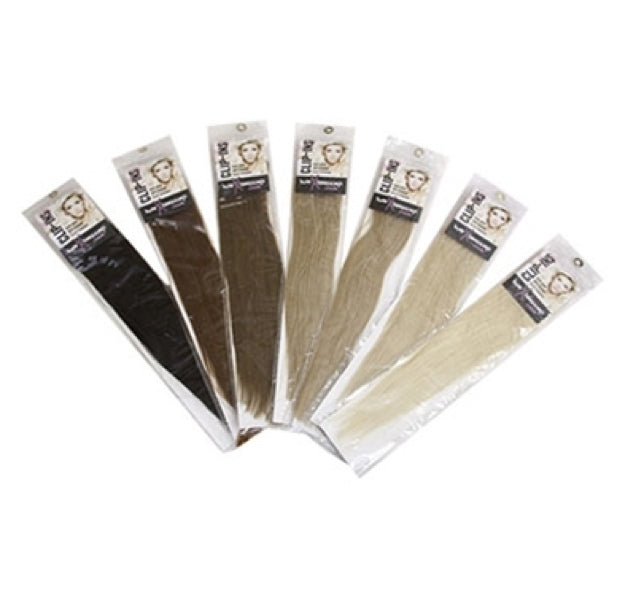
Client consultation and product safety should form part of the preparation for any professional hair extension service.
The term "patch test" is often used very loosely within the hair and beauty industry. However, not every extension product or attachment method uses the same materials, and one homemade test cannot reliably determine whether every client will react to every hair extension product.
Before fitting extensions, identify the products and materials being used, discuss relevant known sensitivities with the client and follow any testing or safety instructions supplied by the product manufacturer.
Do not assume that one universal 24 or 48-hour hair extension "patch test" can guarantee that a client will not experience a reaction. Carry out a thorough consultation, identify the specific products and materials being used, and follow the manufacturer's instructions for any required sensitivity or compatibility testing. Clients with unexplained, persistent or significant skin or scalp concerns should seek appropriate medical advice.
What Is a Patch Test?
In medical terminology, patch testing is a specialist procedure used to investigate allergic contact dermatitis and identify substances that may be causing or worsening a skin reaction.
This is different from an informal salon compatibility or sensitivity check carried out before a cosmetic service.
Extension professionals should therefore avoid presenting a salon-created test as though it provides the same information or certainty as medical allergy testing.
Start With a Client Consultation
Before choosing or fitting an extension method, discuss the proposed service with your client and record relevant information.
The consultation is an opportunity to discuss the client's natural hair, scalp, previous extension experience and any relevant known sensitivities to products or materials.
- Discuss the extension method being considered
- Assess the natural hair and scalp before fitting
- Ask about relevant known product or material sensitivities
- Identify the products and attachment materials that will be used
- Check manufacturer instructions before application
- Record important consultation information
- Explain maintenance and aftercare expectations
Do All Hair Extensions Need the Same Test?
No. Hair extension methods use different attachment systems and materials, so it is not appropriate to assume that one procedure should automatically be used for every method.
Keratin Bonds
Nail-Tip / U-Tip extensions use pre-formed keratin attachments. Follow the relevant product and professional fitting instructions.
Tape-In Extensions
Tape-In extensions use adhesive panels. Check the instructions supplied for the adhesive system and any other products used during fitting.
Micro Rings
Stick-Tip and other ring-based systems use metal components. Do not automatically tape a Micro Ring directly to the skin as an improvised allergy test.
Nano Rings
Nano-Tip systems also use small metal attachment components. Discuss relevant known sensitivities and follow applicable manufacturer guidance.
Follow Manufacturer Instructions
If the manufacturer of an adhesive, bonding product, removal product or other professional material specifies a pre-service test, follow those instructions carefully.
Do not substitute your own procedure or assume that instructions for one product automatically apply to another.
Good practice: Keep the manufacturer's current instructions available for the professional products used within your salon and review them when products or formulations change.
A Negative Salon Check Is Not a Guarantee
A client showing no visible reaction during an informal pre-service check does not guarantee that they cannot experience irritation or an allergic reaction later.
Reactions can involve different substances, different exposure levels and different mechanisms. This is why it is important not to tell a client that they are guaranteed to be safe simply because no immediate reaction was seen.
Important: Do not describe a negative salon compatibility check as proof that a client is not allergic to a product or material.
What if a Client Has a Known Sensitivity?
If a client tells you they have previously reacted to a particular adhesive, cosmetic product, metal or other material, do not ignore that information.
Identify whether the proposed extension system contains or uses the relevant material and consult the applicable product information.
Where there is uncertainty about a client's allergy or skin condition, professional medical advice is more appropriate than attempting to diagnose the cause within the salon.
What if the Scalp Is Already Irritated?
Do not simply cover active irritation, unexplained redness, broken skin or a significant scalp problem with a new extension fitting.
If the client has persistent, recurrent or significant skin or scalp symptoms, advise them to seek appropriate healthcare advice before proceeding.
An extension consultation can identify that a concern exists, but it is not a substitute for medical diagnosis.
Skin Testing vs Strand Testing
Skin testing and strand testing are not the same thing.
A strand test normally assesses how hair itself may respond to a colour, chemical or other treatment. A skin or allergy-related assessment concerns potential reaction to substances that come into contact with the skin.
Do not use the terms interchangeably when discussing a service with your client.
Hair Extension Consultation Records
Keeping clear consultation records can help document what was discussed before a fitting.
Depending on the service, your records may include the extension method, products and materials selected, relevant information supplied by the client, any manufacturer-required testing completed and the aftercare advice provided.
View Client Consultation Guide View Fitting & Removal GuidesSkin & Patch Testing FAQs
Do hair extensions need a patch test?
There is no single universal testing procedure that applies automatically to every extension method and product. Identify the products and materials being used and follow any testing or safety instructions provided by their manufacturers.
Can I put a hair extension bond behind the ear for 48 hours?
Do not use one improvised behind-the-ear procedure as a universal allergy test for all extension systems. Follow the specific manufacturer's instructions for the professional product being used.
Should Micro Rings be taped to the skin as a patch test?
We do not recommend automatically attaching a Micro Ring to the skin as a homemade allergy test. Discuss relevant known sensitivities during the consultation and follow appropriate product guidance.
Does passing a salon patch test mean I cannot have a reaction?
No informal salon check can guarantee that a reaction will never occur. Avoid giving clients that assurance.
What should I do if my scalp is already irritated?
Significant, persistent or unexplained scalp irritation should be appropriately assessed rather than simply covered with newly fitted hair extensions.
Is medical patch testing different?
Yes. Medical patch testing is a specialist procedure used to investigate allergic contact dermatitis and should not be confused with an informal salon compatibility check.
Consult First — Then Follow the Product Instructions
Safe professional preparation starts with understanding the client, identifying the products and materials being used and following the manufacturer's current guidance. Avoid relying on one improvised test or promising that a negative result guarantees a client will never experience a reaction.
Hair Extension Consultation Guide Fitting & Removal Guides