
z
z
z Search

FAST DISPATCH: WE SEND MONDAY TO FRIDAY AT 3PM

Hair Extensions Shedding? Causes, Prevention & What to Do

If you are finding loose hairs from your hair extensions, the first step is to work out exactly where the hair is coming from.

The word “shedding” is often used to describe several different problems. Individual extension hairs may be releasing from a keratin bond or weft track, a complete fitted extension may be slipping down the natural hair, or naturally shed hair may simply be collecting around fitted attachment points.

These problems do not all have the same cause or solution.

HairXtensions supplies several different extension methods including Nail-Tip, Stick-Tip, Nano-Tip, Micro-Loop, Tape-In, Hair Wefts and Clip-Ins. Because each method uses a different attachment system, it is important to identify the type of shedding before deciding what to do.

This guide explains the most common types of hair extension shedding, what can contribute to them and how correct fitting and aftercare can help reduce unnecessary hair loss from your extensions.

Quick answer: First identify whether individual extension hairs are coming away, an entire extension strand is slipping, hair is releasing from a weft seam, or you are seeing naturally shed hair around fitted attachments. Fitting, attachment condition, brushing, heat, product placement, weft modification and maintenance can all affect different types of extension shedding.

Hair Extension Shedding, Slippage or Natural Hair Shedding?

Before trying to solve the problem, look carefully at what is actually coming away from the hair.

Individual Extension Hairs

Loose extension hairs may be releasing from inside a keratin bond, weft seam, tape panel or another extension attachment.

Complete Extension Strand

If a complete Stick-Tip, Nano-Tip or similar strand moves down the natural hair with its attachment, this is more accurately described as slippage rather than hair shedding.

Hair From a Weft Track

Individual hairs may release from the stitched weft seam, particularly if the track has been cut or modified.

Natural Shed Hair

Naturally released hairs can remain trapped around fitted attachments until maintenance or removal.

Identifying the source matters. A slipping Nano Ring, deteriorating keratin bond and cut Hair Weft are three different problems and should not all be treated as generic “shedding”.

What Can Cause Hair Extensions to Shed?

Attachment Problems

A weakened, incorrectly fitted or deteriorating attachment can allow extension hair or the complete extension to become less secure.

Incorrect Application

Section size, fitting technique, tools and attachment preparation all need to suit the particular extension method.

Product Around Attachments

Oils, heavy conditioners and rich treatments should generally be kept away from fitted bonds, tapes and ring attachment areas.

Direct Heat

Straighteners, curling tools and concentrated high heat should not be placed directly onto fitted keratin or adhesive attachments.

Aggressive Brushing

Pulling hard through knots can place unnecessary force on the extension hair and its attachment.

Cutting a Hair Weft

Cutting through a weft track can create exposed edges that may require sealing to help reduce hair releasing from the seam.

Matting & Tangling

Severe tangles can create additional pulling on extension hair when brushing or separating the fitted sections.

General Wear

Human hair extensions and their attachments are exposed to washing, brushing, styling and everyday friction throughout their wear.

Is Natural Hair Shedding the Same as Extension Shedding?

No.

Natural hair continuously moves through its normal growth and shedding cycle. When somebody is wearing professionally fitted extensions, some of those naturally released hairs can remain held within the fitted section instead of immediately falling away.

These hairs may become more noticeable during maintenance or removal.

Natural Shed Hair

The natural hair has completed part of its normal cycle but remains trapped within the extension section until maintenance or removal.

Actual Breakage

The natural hair shaft has snapped. This is different from a complete naturally shed hair being released from the scalp.

If you are noticing obvious thinning, broken areas or significant changes to the density of your natural hair, do not automatically assume that everything you can see is normal shedding.

Read Our Hair Breakage Guide

Why Can Nail-Tip Keratin Extensions Start Shedding?

Nail-Tip / U-Tip extensions use a pre-bonded keratin attachment that is softened and formed around an appropriate section of natural hair during professional application.

If extension hairs begin releasing from the keratin attachment, inspect the bond itself.

Is the Bond Soft or Sticky?

A bond that has become unusually soft, tacky or deformable should be professionally checked.

Has Oil Reached the Bond?

Oils and rich treatments should be kept through the extension lengths rather than applied directly around keratin attachments.

Is There Product Build-Up?

Conditioner, serum or styling-product residue around attachment areas may affect how the bonds behave.

Has Direct Heat Been Used?

Keep straighteners, curling tools and concentrated high heat away from fitted keratin bonds.

Was the Bond Modified?

Removing too much bond material or incorrectly altering a pre-bonded tip can affect the finished attachment.

Was It Applied Correctly?

Professional application needs to follow the instructions appropriate for the keratin material and fitting equipment being used.

There is no single fitting temperature or universal first-wash waiting period that should automatically be applied to every keratin system. Follow the specific professional fitting instructions for the bond and equipment being used.

Soft & Sticky Keratin Bond Guide

Will Dry Shampoo Stop Keratin Extensions Shedding?

Dry shampoo should not be treated as a repair for a deteriorating keratin attachment.

Although a dry shampoo may absorb surface oil around the roots, this is different from repairing a keratin bond that has genuinely softened, deformed or started releasing extension hair.

If the keratin itself appears to be failing, have the bond professionally inspected rather than repeatedly applying products over the attachment in an attempt to harden it.

Are Micro Ring & Nano Ring Extensions Shedding or Slipping?

Stick-Tip and Nano-Tip extensions use ring-based attachments rather than keratin fusion bonds.

If the entire extension strand and ring are moving down the natural hair, this is generally a slippage issue rather than individual extension hairs shedding from a bond.

Ring slippage can be influenced by factors including:

  • Ring size
  • Natural hair section size
  • How securely the ring has been closed
  • Product or oil around the attachment
  • Natural hair characteristics
  • Brushing and aftercare
  • Maintenance

Nano Rings can slip too. Nano-Tip extensions use smaller ring attachments, but the fitting still needs the correct ring, natural hair section and professional application.

Micro & Nano Ring Slippage Guide

Why Do Hair Wefts Shed?

A Hair Weft is constructed by securing many individual hairs along a stitched track.

If the weft is cut or customised during fitting, the newly cut edge can become more vulnerable to releasing hairs from the track.

A suitable Hair Weft Sealer can be applied to the cut edge according to the product instructions to help secure and protect the modified section.

Do

  • Plan where the weft needs modifying before cutting
  • Use sharp professional tools
  • Seal modified cut edges where appropriate
  • Allow weft sealer to dry according to its instructions
  • Handle the stitched track carefully

Avoid

  • Repeated unnecessary cutting of the weft
  • Pulling loose hairs from the stitched track
  • Picking at the weft seam
  • Ignoring an unravelled cut edge
  • Applying excessive force when brushing close to the track

A weft sealer is designed to help secure a cut or customised track. It does not restore extension hair that has already become severely damaged or replace correct professional fitting.

View HairX Pro Weft Sealer Shop Hair Wefts

What About Tape-In Hair Extension Shedding?

Tape-In extensions use flat adhesive attachment panels rather than individual keratin or ring attachments.

There are two problems that can sometimes be confused:

Individual Hairs Releasing

If extension hairs are coming away from the manufactured Tape-In extension itself, inspect the extension panel and how the hair is attached to it.

Complete Tape Panel Moving

If the whole Tape-In panel is slipping away from the natural hair, the issue is with the fitted adhesive attachment rather than ordinary hair shedding.

Keep oils, heavy conditioner and rich treatments away from Tape-In attachment areas and follow the fitting and maintenance instructions appropriate for the tape system being used.

Shop Tape-In Hair Extensions

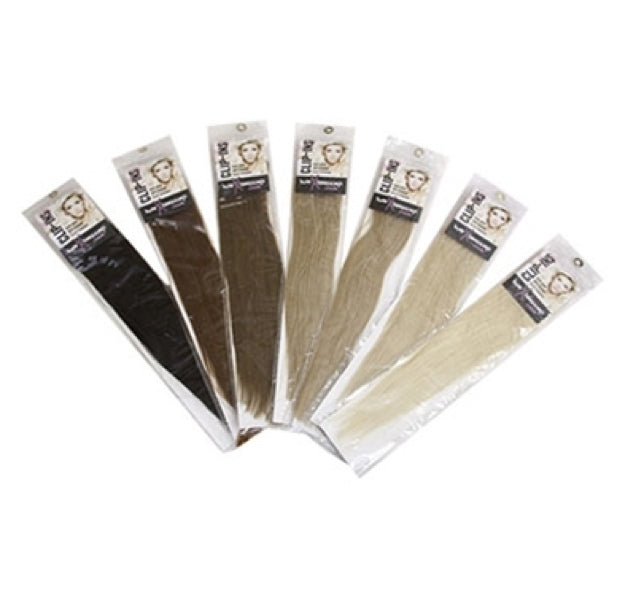
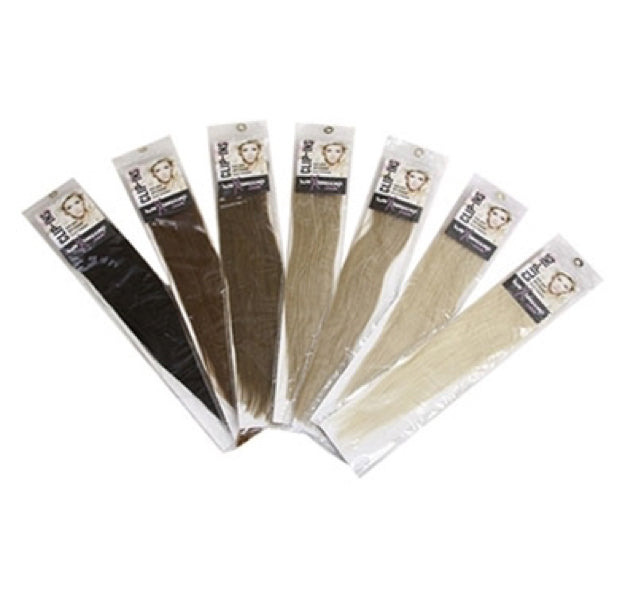
Can Clip-In Extensions Shed?

Clip-In extensions do not rely on a permanent fitted bond, ring or tape attachment, but the extension hair is still secured to a stitched weft.

Rough brushing, repeatedly pulling at the stitched seam or modifying the extension pieces can contribute to hairs being released from the track.

To look after Clip-Ins:

  • Remove them before sleeping.
  • Remove them before showering or swimming.
  • Brush gently from the ends upwards.
  • Support each piece while detangling.
  • Avoid pulling directly against the sewn track.
  • Store them completely dry and detangled.

Can the Wrong Aftercare Products Cause Extension Shedding?

Product placement matters, particularly with professionally fitted extension attachments.

Conditioners, oils and treatments can help keep the human hair lengths soft and manageable, but they should normally be concentrated through the mid-lengths and ends.

Extension Lengths

Use suitable extension shampoo, conditioner, treatments and heat protection as part of your normal aftercare routine.

Fitted Attachments

Keep oils, heavy conditioner and rich treatments away from keratin bonds, Tape-In adhesive and Micro or Nano Ring attachment areas.

Do not assume a product is unsuitable simply because it contains one particular ingredient. Consider the complete formulation, the extension method and where the product is being applied.

Shop Hair Extension Aftercare

Can Heat Cause Hair Extensions to Shed?

Human hair extension lengths can be curled, straightened and blow-dried, but concentrated heat should be kept away from fitted attachment points.

In particular:

  • Do not clamp straighteners directly over keratin bonds.
  • Keep curling tools away from fitted attachments.
  • Avoid concentrated high heat directly over Tape-In adhesive.
  • Use controlled airflow when drying fitted root areas.
  • Use suitable thermal protection through the extension lengths.
  • Use the lowest effective heat for the style you are creating.

Fitted extensions do not need to be left wet to avoid heat. Attachment areas should be dried thoroughly — the important distinction is between controlled blow-drying and concentrated excessive heat.

Read Our Heat Styling Guide

6 Steps for Brushing Extensions Without Excessive Pulling

Good brushing removes tangles while minimising unnecessary force on the extension hair and its attachment.

1

Use a Suitable Extension Brush

Choose a brush designed to move through extension hair without repeatedly catching fitted attachment points.

2

Support the Extensions

Hold the hair close to fitted attachments or the weft track while brushing through the lengths.

3

Start at the Ends

Remove tangles from the bottom before gradually working upwards.

4

Work in Manageable Sections

Divide long or thick extensions so you can control the hair without repeatedly pulling against the roots.

5

Never Force a Knot

Work through tangles gradually rather than increasing the amount of force each time the brush catches.

6

Check the Attachment Areas

Look for tangling, loose strands, slipping extensions or attachments that appear different from surrounding sections.

Shop Hair Extension Brushes

Can Matting Increase Hair Extension Shedding?

Severe tangling can increase pulling on both the extension hair and fitted attachment areas when the hair is brushed or separated.

Help reduce root matting by:

  • Brushing regularly and gently
  • Keeping fitted attachment sections separated
  • Drying the hair and attachments thoroughly
  • Never sleeping with wet fitted extensions
  • Securing longer hair loosely before bed
  • Attending maintenance when required
Read Our Hair Extension Matting Guide

8 Ways to Help Reduce Hair Extension Shedding

The correct approach depends on your extension method, but these general habits can help protect both the hair and its attachment.

1

Choose Professional Fitting

Professionally fitted extensions should use appropriate sections, attachment methods and tools for the client's natural hair.

2

Identify the Type of Shedding

Work out whether the problem is extension hairs releasing, complete extensions slipping, weft shedding or natural shed hair.

3

Keep Oils Away From Attachments

Use oils and conditioning products mainly through the extension mid-lengths and ends.

4

Brush Gently

Support fitted extensions and detangle from the ends upwards.

5

Protect Attachments From Direct Heat

Keep straighteners, curling tools and concentrated excessive heat away from fitted bonds and adhesive areas.

6

Seal Cut Hair Wefts

Where a Hair Weft has been cut or customised, use a suitable weft sealer on the modified edge according to its instructions.

7

Prevent Severe Tangling

Keep fitted sections separated and deal with knots before they develop into compact matting.

8

Attend Maintenance

Have professionally fitted extensions maintained according to the requirements of your fitting method.

Hair Extensions Shedding? Check These First

Where are the hairs coming from?

Look at the bond, tape panel, ring, weft track or extension piece.

Is the whole extension moving?

If so, you may have attachment slippage rather than hair shedding.

Are keratin bonds soft?

Soft, sticky or deforming bonds should be professionally inspected.

Has a weft been cut?

Check whether hair is releasing around a modified track edge.

Are products reaching attachments?

Review where conditioner, oils, masks and serums are being applied.

Is direct heat reaching the bonds?

Review straightener, curling-tool and hairdryer technique.

Are you brushing aggressively?

Pulling through knots can place unnecessary strain on extension hair.

Is maintenance overdue?

Grown-out attachment areas should be checked and maintained professionally.

When Should Your Extensions Be Professionally Checked?

Occasional loose hairs do not automatically mean that an entire set of extensions has failed. However, a pattern of significant or increasing shedding deserves investigation.

Ask your extensionist to check the fitting if:

  • Large numbers of extension hairs are releasing from fitted attachments
  • Several complete extensions are slipping shortly after fitting
  • Keratin bonds have become soft, sticky or misshapen
  • Several Tape-In panels are moving
  • There is significant matting around fitted sections
  • The natural hair appears to be breaking or thinning
  • You are unsure whether the problem is shedding, breakage or slippage

Identifying the cause before repeatedly refitting or replacing extensions can help prevent the same problem happening again.

Cutting or Customising a Hair Weft?

Our HairX Pro Weft Sealer is designed to help seal weft tracks after they have been cut or customised, helping secure the modified edge and reduce unnecessary shedding from the track.

Apply according to the product instructions and allow the sealer to dry properly before fitting the weft.

Shop HairX Pro Weft Sealer Shop Hair Wefts

Good Aftercare Helps Protect Your Extensions

Appropriate shampoo, conditioner, brushing, drying and heat protection all form part of looking after human hair extensions. Remember to keep oily and conditioning products mainly through the lengths and away from fitted attachment areas.

Read Our Aftercare Guide Shop Hair Extension Aftercare

Hair Extension Shedding – FAQs

Why are my hair extensions shedding?

First identify where the hair is coming from. Individual extension hairs may be releasing from a bond, tape or weft seam, while a complete extension moving down the natural hair may indicate attachment slippage rather than shedding.

Is some shedding from hair extensions normal?

An occasional loose hair does not necessarily indicate a problem, but significant, increasing or repeated shedding should be investigated, particularly if many extensions are affected.

Is natural hair shedding normal with fitted extensions?

Natural hair continues through its normal growth and shedding cycle while extensions are fitted. Some naturally released hairs can remain trapped within fitted sections until maintenance or removal.

Why are hairs coming out of my Nail-Tip bonds?

Check whether the keratin attachment is soft, sticky or deteriorating, whether oily products have reached the bond, whether direct heat has been applied and whether the bond was fitted correctly.

Can conditioner make bonded extensions shed?

We recommend keeping conditioners and rich treatments away from keratin attachment areas. Apply conditioner mainly through the extension mid-lengths and ends.

Do proteins or citric acid automatically damage keratin bonds?

We do not recommend judging an aftercare product solely by the presence of one individual ingredient. Choose products suitable for human hair extensions and pay particular attention to how and where products are applied around fitted attachments.

Can dry shampoo stop keratin bonds shedding?

Dry shampoo should not be used as a repair for a deteriorated keratin bond. A genuinely soft, sticky or failing attachment should be professionally inspected.

Why are my Nano Ring extensions shedding?

If the complete Nano-Tip strand and Nano Ring are moving down the natural hair, this is more accurately described as ring slippage. Ring choice, section size, application, products and aftercare should be checked.

Why are my Micro Ring extensions coming out?

Complete Micro Ring or Stick-Tip extensions coming away may indicate slippage rather than shedding. Have the ring size, natural hair section, clamping and aftercare assessed.

Why is my Hair Weft shedding after it was cut?

Cutting a weft creates a new edge in the stitched track. A suitable Hair Weft Sealer can be applied to modified edges according to its instructions to help secure the track and reduce shedding.

Can heat make hair extensions shed?

Concentrated high heat can affect certain fitted attachment systems. Keep straighteners and curling tools away from bonds and tapes, use controlled airflow when drying and protect the extension lengths from excessive heat.

Can brushing cause hair extensions to shed?

Aggressive pulling through knots can place unnecessary force on extension hair, stitched wefts and fitted attachments. Support the hair and detangle gently from the ends upwards.

When should I contact my extensionist about shedding?

Contact your extensionist if shedding is significant, many fitted extensions are affected, whole strands are slipping, bonds are deteriorating or you notice breakage or thinning of the natural hair.

Find the Cause Before Trying to Stop the Shedding

Hair extension shedding is not one single problem. Determine whether the loose hair is coming from a keratin bond, ring attachment, Tape-In panel, Hair Weft track or your natural shedding cycle. Correct fitting, gentle brushing, appropriate product placement, controlled heat and regular maintenance can all help reduce avoidable extension loss.

Read Our Aftercare Guide View Fitting Guides Contact Us

Search

z