

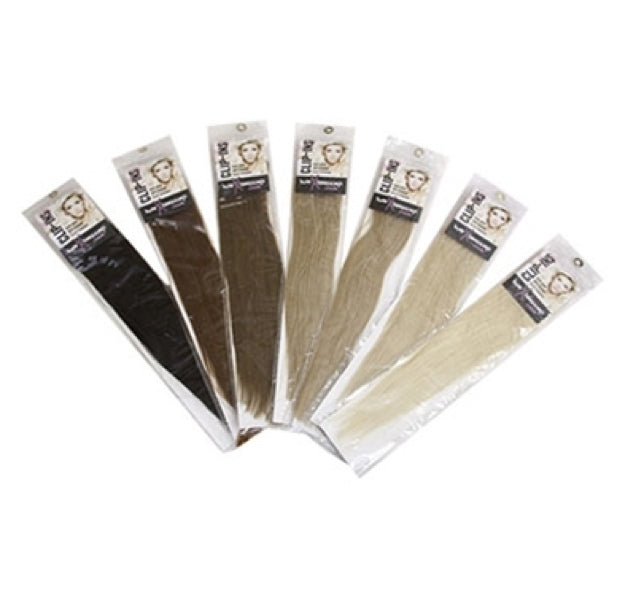
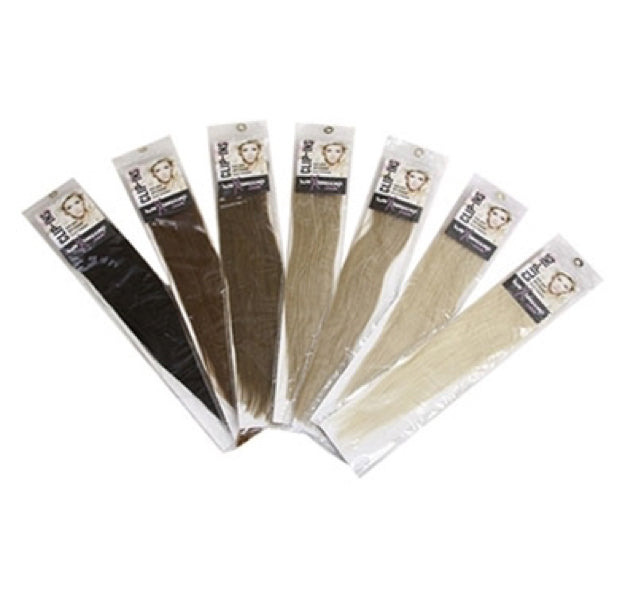
Hair Wefts are created by securing many individual hairs together along a continuous track. During professional fitting, the weft may sometimes need to be cut or customised to suit the client's head and chosen application method.
If a weft is cut, the newly created edge can be more vulnerable because the original track has been interrupted. This is one of the most important areas to check if hairs begin releasing close to a modified section.
However, cutting is not the only possible cause of Hair Weft shedding. Rough brushing, pulling directly against the track, incorrect fitting, severe tangling, chemical processing, excessive heat and general wear can also affect the hair or the weft over time.
This guide explains why Hair Wefts can shed, how to protect cut edges, how to brush and wash a fitted weft correctly and what to check if you are already noticing loose extension hairs.
Quick answer: If your Hair Weft has been cut or customised, protect the modified track using a suitable professional weft sealer before fitting. During wear, support the weft when brushing, avoid pulling directly against the track, wash gently, prevent severe tangling and follow the maintenance advice for the fitting method used.
What Is Hair Weft Shedding?
Hair Weft shedding happens when individual extension hairs begin releasing from the weft track.
This is different from the entire fitted weft becoming loose or moving away from the natural hair. A complete fitted track moving is more likely to involve the fitting or maintenance of the weft rather than the individual hairs shedding from the manufactured track.
Hair Releasing From the Weft
Individual extension hairs are coming away from the stitched or bonded weft track itself.
The Whole Weft Is Moving
The complete fitted track is becoming loose or moving. This should be assessed as a fitting or maintenance issue rather than ordinary weft shedding.
Look at where the loose hair is coming from. If shedding is concentrated around a cut edge, inspect that modified section first.
What Causes Hair Wefts to Shed?
There is no single cause of every case of Hair Weft shedding.
Cutting the Weft Track
Cutting creates a new edge in the weft construction. If that edge is left unprotected, hairs close to the modified area may be more likely to release.
Pulling at the Track
Repeatedly tugging directly against the top of the weft can place unnecessary force on the hair and fitted track.
Aggressive Brushing
Dragging a brush through knots without supporting the weft can transfer significant pulling force to the track.
Incorrect Fitting Tension
A weft should be fitted securely without being stretched or pulled into an unnatural amount of tension.
Severe Tangling
Matted or heavily tangled lengths can create additional pulling on the weft when the hair is brushed or separated.
Excessive Heat
Repeated high-temperature styling can contribute to the human hair becoming dry and more difficult to detangle.
Chemical Processing
Bleaching, colouring and toning can affect the condition, texture and strength of extension hair.
General Wear
Hair Wefts are exposed to washing, brushing, styling and friction throughout normal use, so some change with wear is expected.
Does Cutting a Hair Weft Cause Shedding?
Cutting a Hair Weft is sometimes necessary when customising it for a particular fitting, but cutting through the track creates a new exposed edge.
This modified area needs more care because the original continuous weft construction has been interrupted.
If the complete width of the weft can be used without cutting for the chosen fitting, there is no reason to create unnecessary cut edges simply for the sake of it.
Not every Hair Weft automatically needs to be cut. Whether modification is required depends on the fitting method, client's head and how the professional extensionist plans the installation.
If You Do Need to Cut a Weft
- Measure and plan the required section before cutting.
- Use suitable sharp professional tools.
- Make a clean cut through the required section of track.
- Avoid repeatedly trimming the same edge unnecessarily.
- Protect the newly modified edge using suitable weft sealer.
- Allow the sealer to dry completely according to its instructions.
- Only then proceed with the intended fitting.
What Does Hair Weft Sealer Do?
Weft sealer is designed to help secure and protect a weft track after it has been cut or customised.
Our HairX Pro Weft Sealer features a brush applicator for controlled application to modified weft areas.
When modifying one of our Hair Wefts, apply a small amount to each side of the weft as directed and allow it to dry for approximately 10–15 minutes before application.
Important: Weft sealer can help reduce shedding around a cut or customised track, but it should not be described as guaranteeing that a Hair Weft will never shed.
HairX Pro Weft Sealer is intended for professional use and is flammable. Follow the product instructions and keep it away from naked flames.
How to Protect a Cut Hair Weft
Planning the cut and protecting the modified track before fitting can help reduce unnecessary shedding from the new edge.
Measure First
Determine the amount of Hair Weft required before making any permanent modification to the track.
Cut Cleanly
Use suitable sharp professional tools to create a clean edge rather than repeatedly cutting or fraying the track.
Apply a Small Amount of Weft Sealer
Use the applicator to apply the product accurately around the modified area according to its instructions.
Protect Both Sides
Apply the recommended amount to each side of the modified weft area rather than heavily saturating the hair.
Allow It to Dry
Allow approximately 10–15 minutes drying time as stated in the HairX Pro Weft Sealer instructions.
Fit Only When Ready
Make sure the modified section is properly prepared before proceeding with professional installation.
Can Incorrect Hair Weft Fitting Increase Shedding?
A Hair Weft needs to be fitted securely, but that does not mean the track should be pulled or stretched as tightly as possible.
The professional fitting method, positioning, total weight of extension hair and client's natural hair should all be considered together.
Do
- Plan the size and placement of each weft section
- Use an appropriate professional fitting method
- Keep the weft sitting naturally
- Make sure the client's natural hair can support the weight
- Check the track after fitting
- Give the client clear aftercare instructions
Avoid
- Overstretching the weft during installation
- Pulling the track unnaturally tight
- Fitting excessive weight to unsuitable natural hair
- Ignoring damaged or unravelled track edges
- Forcing a cut section to fit
- Using damaged weft sections without assessing them
Is the Hair Weft Shedding or Is the Fitting Coming Loose?
These are different problems and should be treated differently.
Weft Shedding
Individual extension hairs are releasing from the manufactured track, often around a weakened, damaged or modified area.
Loose Fitted Weft
The complete track or fitted section is moving away from its original position. This requires assessment of the professional installation and maintenance.
If the whole Hair Weft is moving rather than individual hairs coming from the seam, contact the extensionist who fitted it.
Can Brushing Cause Hair Weft Shedding?
Aggressive brushing can place unnecessary pulling force on both the extension hair and fitted weft track.
Good brushing should remove tangles without repeatedly dragging against the seam.
- Divide the hair into manageable sections.
- Support the extension hair close to the fitted track.
- Start brushing at the ends.
- Gradually work upwards through the lengths.
- Do not force the brush through a knot.
- Take extra care when reaching the fitted weft area.
- Avoid repeatedly catching or pulling directly against the track.
More brushing is not automatically better. Brush often enough to prevent tangling, but avoid excessive or aggressive brushing that repeatedly puts force through the weft.
How Should You Wash a Fitted Hair Weft?
Correct washing helps keep the extension hair and fitted area manageable without unnecessarily rubbing or tangling the weft.
- Brush and detangle gently before washing.
- Keep your head upright rather than washing upside down.
- Use lukewarm rather than excessively hot water.
- Massage shampoo gently into the scalp.
- Avoid rubbing or scrubbing the extension lengths together.
- Allow shampoo to rinse through the hair.
- Apply conditioner mainly through the mid-lengths and ends.
- Rinse all products thoroughly.
- Gently blot or squeeze excess moisture rather than rubbing.
- Dry both the extension hair and fitted track thoroughly.
You do not need to rely on air-drying alone. A hairdryer can be used with controlled heat. Avoid excessive temperatures and concentrate on drying the fitted area thoroughly without rough handling.
Do You Need Special Products for Hair Wefts?
We recommend using aftercare products suitable for human hair extensions, but we would not judge a product solely because it contains one particular ingredient.
The overall formula, how often the product is used and where it is applied all matter.
Through the Lengths
Suitable conditioner, lightweight treatments, oils and thermal protection can help maintain softness and manageability when used correctly.
Around the Fitting
Avoid excessive product build-up around the fitted track and follow the aftercare instructions for the particular weft fitting method used.
A blanket rule such as “any product containing alcohol or salt will make a Hair Weft shed” is too simplistic. Choose suitable extension aftercare and consider the complete product and how it is being used.
Can Heat Make Hair Wefts Shed?
Human hair wefts can be blow-dried, straightened and curled, but excessive heat can contribute to dryness and make the extension lengths increasingly difficult to detangle.
That can indirectly lead to more pulling during brushing.
- Always use suitable heat protection.
- Use the lowest effective temperature for your style.
- Avoid repeatedly passing hot tools over the same section.
- Keep direct concentrated heat away from fitted attachment areas.
- Give the extension hair breaks from heat styling where practical.
Can Bleaching or Colouring Increase Hair Weft Shedding?
Chemical processing can affect the condition and strength of human hair.
HairXtensions strongly advises against bleaching, lightening, colouring, toning or using colour-altering shampoos on our extension hair after purchase.
If Hair Weft lengths become very dry, tangled or weakened following chemical processing, brushing may also become more difficult and place additional force on the weft track.
Choose the closest extension shade before fitting rather than purchasing one colour with the intention of bleaching or chemically altering it later.
How Should You Sleep With a Fitted Hair Weft?
Overnight friction and tangling can make the hair harder to brush the following morning.
Before sleeping:
- Make sure the Hair Weft and natural hair are completely dry.
- Gently brush through the extension lengths.
- Check that the fitted area is free from significant tangling.
- Secure longer hair in a loose plait or low ponytail.
- Avoid tight hairstyles that place unnecessary tension on the track.
- Never go to bed with freshly washed extensions while they are damp.
Can Matting Make a Hair Weft Shed More?
Severe tangling can make extension hair much harder to brush and can lead to additional pulling against the weft track.
Preventing matting is therefore also an important part of protecting a Hair Weft.
- Brush regularly but gently.
- Keep the fitted area free from compact tangles.
- Never sleep with wet extension hair.
- Dry the fitted track properly after washing.
- Deal with knots before they become severe.
- Attend recommended maintenance appointments.
What Should You Do if Your Hair Weft Is Already Shedding?
Start by locating where the hairs are releasing rather than immediately applying products over the whole weft.
Inspect any areas that were modified during fitting and check whether the track needs professional attention.
If a weft was customised, check whether the modified section was protected with suitable weft sealer.
If the whole track is moving, contact the extensionist to check the fitting rather than treating it as ordinary shedding.
Severe tangling may be creating repeated pulling on the weft during brushing.
Support the weft and work through knots gradually from the ends upwards.
Bleaching, colouring or toning may have affected the condition of the extension hair.
Rough, dry lengths can become harder to detangle and therefore require more careful handling.
Professionally fitted Hair Wefts should be checked and maintained according to the fitting method used.
If shedding is heavy, increasing or coming from several areas of the track, ask your extensionist to inspect the Hair Weft before continuing to wear or modify it.
10 Ways to Help Prevent Hair Weft Shedding
Protecting the track and reducing unnecessary pulling are the main priorities.
Avoid Unnecessary Cutting
Only modify the weft when required for the intended fitting.
Make Clean Cuts
Measure carefully and use suitable professional tools when modifying the track.
Seal Modified Edges
Use suitable Hair Weft Sealer on cut areas according to the product instructions.
Allow Sealer to Dry
HairX Pro Weft Sealer should be allowed approximately 10–15 minutes to dry before application.
Avoid Overstretching the Weft
The track should sit securely and naturally during fitting rather than being pulled excessively tight.
Support the Track While Brushing
Hold the extension hair close to the fitted weft and detangle from the ends upwards.
Wash Gently
Avoid scrubbing, rubbing or twisting extension lengths together when wet.
Keep Heat Sensible
Use suitable thermal protection and avoid repeated excessive heat styling.
Prevent Matting
Keep the hair detangled and completely dry before sleeping.
Keep Up With Maintenance
Follow the professional maintenance requirements for the chosen Hair Weft fitting method.
Protect Cut Hair Weft Edges
If you need to cut or customise one of our Hair Wefts during professional fitting, HairX Pro Weft Sealer is designed to help seal and protect the modified track.
Apply a small amount to each side of the modified weft as directed and allow approximately 10–15 minutes to dry before installation.
Shop HairX Pro Weft Sealer Shop Human Hair WeftsWhat if It Isn't Specifically a Hair Weft Problem?
Shedding can mean different things with different extension methods.
If you are using Nail-Tip, Tape-In, Micro Ring, Nano Ring or another extension system, use our broader guide to identify whether you are seeing extension shedding, attachment slippage, natural shedding or breakage.
Read Our Hair Extension Shedding GuideRelated Hair Extension Guides
Hair Weft Shedding – FAQs
Why is my Hair Weft shedding?
Possible causes include an unprotected cut edge, damage to the track, aggressive brushing, excessive pulling, severe tangling, chemical processing or general wear. First identify exactly where the loose hairs are coming from.
Is some shedding from a Hair Weft normal?
An occasional loose extension hair does not automatically mean the weft has failed. However, significant or increasing shedding, particularly from one section of the track, should be investigated.
Do Hair Wefts have to be cut before fitting?
Not necessarily. Whether a Hair Weft needs cutting depends on the fitting method, required section size and professional installation plan. Avoid creating unnecessary cut edges if modification is not required.
Why can cutting a Hair Weft make it shed?
Cutting through the track creates a new edge in the weft construction. Hair close to an unprotected modified area may be more vulnerable to releasing.
Should you seal a Hair Weft after cutting it?
We recommend using suitable Hair Weft Sealer when modifying our wefts to help protect the cut or customised area and reduce unnecessary shedding.
How long does HairX Pro Weft Sealer need to dry?
Allow approximately 10–15 minutes for HairX Pro Weft Sealer to dry before proceeding with application, following the instructions supplied with the product.
Does Hair Weft Sealer completely stop shedding?
Weft Sealer is designed to help protect modified weft edges and reduce shedding, but we would not describe it as a guarantee that a Hair Weft will never release any hairs.
Can brushing make Hair Wefts shed?
Aggressive brushing can place unnecessary pulling force on a Hair Weft. Support the fitted track, start at the ends and work upwards gradually rather than dragging through knots.
Should I air-dry my Hair Weft?
Air-drying is not the only option. Fitted human hair extensions can be carefully blow-dried using controlled heat. Make sure the fitted area is thoroughly dried and avoid concentrated excessive heat.
Can sleeping with wet Hair Wefts cause problems?
Wet or damp fitted extensions can become more tangled during overnight movement. Make sure both the Hair Weft and fitted area are completely dry before sleeping.
Can bleach or toner make a Hair Weft shed?
Chemical processing can affect the condition and strength of human hair. We advise against bleaching, lightening, colouring or toning our Hair Wefts after purchase.
What if my whole fitted Hair Weft is coming loose?
If the complete weft track is moving rather than individual extension hairs releasing from it, contact the extensionist who fitted the hair to assess the installation and maintenance.
When should I contact my extensionist about Hair Weft shedding?
Contact your extensionist if shedding is heavy or increasing, several areas of the track are affected, the complete fitted weft is becoming loose, or there is significant matting or damage around the installation.
Protect the Track to Help Reduce Hair Weft Shedding
If a Hair Weft needs to be cut or customised, make a clean modification and protect the new edge with suitable Weft Sealer before fitting. During wear, brush gently, support the track, wash correctly, control excessive heat, prevent severe matting and keep up with professional maintenance.
Shop HairX Pro Weft Sealer Shop Hair Wefts Contact Us