

Choosing the best hair extensions isn't simply about picking the most popular fitting method. The right option depends on your natural hair, lifestyle, desired length and volume, maintenance preferences and how often you want to wear your extensions.
Some customers want extensions they can wear every day, while others prefer something they can fit for a weekend or special occasion. Some want maximum length, while others simply want their natural hair to appear thicker.
This guide explains the main points to consider and compares the different extension options available at HairXtensions.co.uk.
6 Things to Consider When Choosing Hair Extensions
Before deciding on a fitting method, think about what you actually want your extensions to achieve and how they will fit into your everyday routine.
Natural Hair
Consider the condition, density, length and strength of your own hair before choosing a professionally fitted method.
Your Goal
Decide whether you mainly want additional length, additional volume or a combination of both.
Lifestyle
Think about exercise, swimming, styling habits and how much time you're willing to spend looking after your extensions.
Maintenance
Fitted extensions require ongoing maintenance as your natural hair grows.
Length
Longer isn't automatically better. Choose a length that suits your natural hair, height and desired finished style.
Colour
A close colour match is one of the most important parts of achieving a well-blended finished result.
Which Hair Extension Method Is Best for You?
HairXtensions offers a choice of fitted and removable extension methods. Each works differently, so it's worth understanding the basic fitting process before deciding.
Nail-Tip / U-Tip Extensions
Individual extension strands with keratin tips that are softened using a specialist heat connector and formed around small sections of natural hair.
- Individual strand placement
- Keratin-bond fitting method
- No rings or tapes
- Professional fitting and removal recommended
Stick-Tip / I-Tip Extensions
Individual strands held in position using small rings or tubes rather than keratin adhesive.
- No heat required for attachment
- Individual strand placement
- Ring-based fitting method
- Suitable hair may be reusable during maintenance
Nano-Tip Extensions
Strand-by-strand extensions secured using particularly small nano rings for a discreet attachment.
- Small attachment system
- No keratin bond required
- Individual placement
- Regular maintenance required
Micro-Loop Extensions
Pre-looped extension strands with a ring attachment designed to help with the strand-by-strand fitting process.
- No glue or heat during fitting
- Pre-looped design
- Individual strand placement
- Requires ongoing maintenance
Tape-In Extensions
Thin sections of extension hair with adhesive strips that are fitted around small sections of natural hair to create a flat attachment.
- Flat attachment
- Faster fitting than many strand methods
- Can add length and volume
- Oils and conditioner must be kept away from tapes
Hair Wefts & Weaves
Extension hair attached along a continuous track that can be fitted using several professional techniques, including ring-based weave methods.
- Provides a larger section of hair at once
- Useful for noticeable volume
- Several fitting techniques available
- Professional fitting recommended
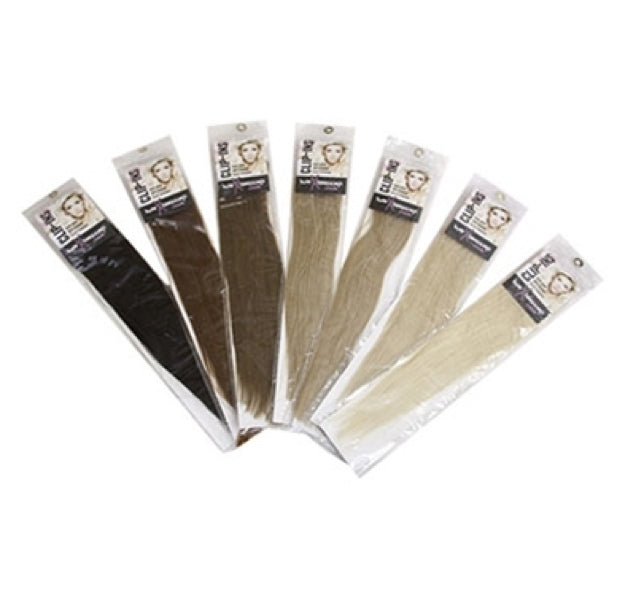
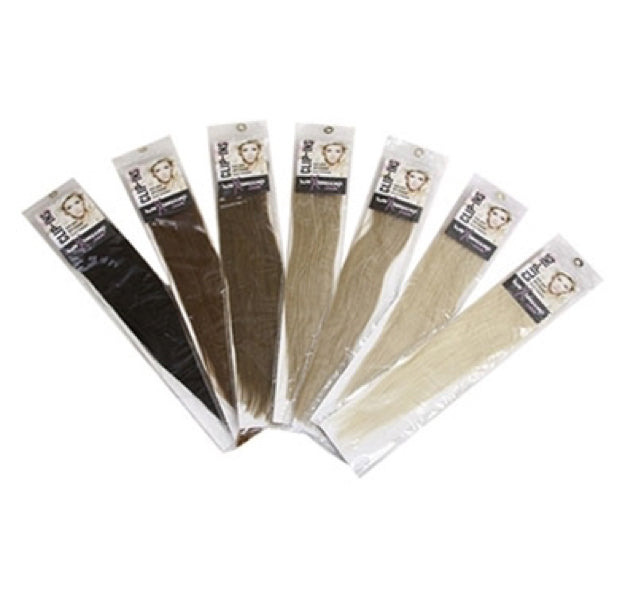
Clip-In Extensions
Temporary extension pieces fitted using small clips and removed after wear.
- No permanent attachment
- Fit only when required
- Useful for events and occasional wear
- Remove before sleeping, washing or swimming
Ponytail Extensions
Temporary extensions designed to quickly create a longer and fuller-looking ponytail.
- Quick temporary hairstyle change
- No long-term fitting commitment
- Ideal for occasional wear
- Easy to remove after use
Want a more detailed explanation? Read our Different Hair Extension Methods Guide before deciding.
Hair Extension Method Comparison
| Method | Type | Attachment | Heat During Fitting? | Maintenance? |
|---|---|---|---|---|
| Nail-Tip | Fitted | Keratin bond | Yes | Yes |
| Stick-Tip | Fitted | Ring / tube | No | Yes |
| Nano-Tip | Fitted | Nano ring | No | Yes |
| Micro-Loop | Fitted | Micro ring | No | Yes |
| Tape-In | Fitted | Adhesive tape | No | Yes |
| Hair Weft | Fitted | Depends on fitting method | Depends on method | Yes |
| Clip-In | Removable | Clips | No | No salon maintenance |
| Ponytail | Removable | Temporary attachment | No | No salon maintenance |
Does Your Natural Hair Density Matter?
Yes. Hair density and condition are important when choosing professionally fitted extensions, but this doesn't mean everybody with a particular hair type should automatically choose one particular extension method.
Fine or Lower-Density Hair
The weight, placement and number of extensions need careful consideration. A professional extensionist should assess whether your natural hair can comfortably support the chosen attachment method.
Thicker or Higher-Density Hair
More extension hair may be required to create enough fullness and blend naturally with dense natural hair, particularly when adding significant length.
More hair isn't always better. The aim should be to use an appropriate amount and attachment method for the individual's natural hair rather than simply fitting the maximum possible amount.
Temporary vs Professionally Fitted Hair Extensions
Choose Removable Extensions If...
- You only want extensions occasionally.
- You don't want salon maintenance appointments.
- You want to remove the extensions whenever you choose.
- You mainly want hair for events, weekends or nights out.
- You want to experiment with additional length before committing.
Consider Fitted Extensions If...
- You want extensions as part of your everyday hairstyle.
- You're comfortable attending maintenance appointments.
- You understand the daily aftercare involved.
- You want extensions distributed professionally throughout the hair.
- Your natural hair has been assessed as suitable.
Choose the Right Hair Extension Length & Fullness
Length and volume are two different things. Choosing longer extensions does not automatically create a fuller-looking result.
HairXtensions offers many of its main ranges in 14, 18, 20 and 22 inch lengths. Your ideal choice will depend on your natural hair, height and the finished look you want.
If You Mainly Want Volume
You may not need a dramatic increase in length. Extensions closer to your natural length can help create additional body and thickness.
If You Want Much Longer Hair
The greater the difference between your natural length and extension length, the more important it becomes to use enough hair and create a balanced blend.
Choose the Right Hair Extension Colour
A good colour match is just as important as choosing the correct method and length.
Screens can display hair colours differently depending on brightness and device settings, so don't rely solely on how a shade appears on your phone.
HairXtensions offers several colour-matching options, including our online colour chart, photograph matching, colour rings and hair-sample matching.
If you're unsure between two shades, get colour help before ordering rather than planning to bleach, lighten or heavily alter your extensions afterwards.
Think About Your Lifestyle Before Choosing
Your everyday routine can make some extension options more practical than others.
Active Lifestyle
If you exercise frequently, swim regularly or wash your hair very often, make sure you're comfortable following the additional aftercare required by professionally fitted extensions.
Occasional Wear
If you mainly want extra hair for weekends, evenings, holidays or special occasions, removable Clip-Ins or a Ponytail may offer more flexibility.
How Much Maintenance Are You Comfortable With?
This is one of the most important questions to ask before choosing fitted hair extensions.
Your natural hair continues to grow after extensions are fitted. This means attachment points gradually move further away from the scalp and require professional checks, repositioning or removal depending on the method.
- Be prepared for regular maintenance appointments.
- Follow the extensionist's recommended maintenance schedule.
- Brush and separate fitted extensions carefully.
- Keep oils and heavy conditioners away from attachment points.
- Never remove fitted extensions by pulling them from the natural hair.
- Use the correct removal method for the extensions you're wearing.
Our Fitting & Removal Guides provide additional information on the different application methods.
Don't Choose Extensions Without Considering Aftercare
Whichever method you choose, human hair extensions require regular care. Correct washing, brushing, drying, sleeping and heat-styling habits can make a significant difference to how manageable the hair remains.
Before committing to fitted extensions, make sure you're comfortable with the aftercare routine involved.
Read Our Hair Extension Aftercare Guide Shop Aftercare ProductsHair Extension Buying Checklist
Before ordering or booking a fitting appointment, make sure you can answer these questions:
Length, volume or both?
Everyday wear or occasional wear?
Have you measured 14, 18, 20 and 22 inches against yourself?
Use our colour-matching service if you're unsure.
Fitted extensions require ongoing appointments and daily care.
Have a professional assessment before choosing a fitted method.
Learn the correct washing, brushing, drying and styling routine first.
Prepare suitable extension aftercare before your extensions are fitted.
Useful Guides Before Choosing Hair Extensions
Choosing Hair Extensions – FAQs
What is the best type of hair extension?
There isn't one method that's best for everyone. Your natural hair, desired result, lifestyle and maintenance preferences should all be considered before choosing.
What hair extensions are easiest for beginners?
Removable Clip-Ins and Ponytails can be a straightforward introduction because they can be worn when required and removed afterwards. Fitted methods involve more maintenance and commitment.
Which hair extensions are best for fine hair?
Fine hair should be assessed individually rather than automatically matched with one particular extension method. Attachment size, weight, placement and the strength of the natural hair all need consideration.
What extensions are best for thick hair?
Thick natural hair may require more extension hair to create sufficient fullness and blending, but the fitting method should still be selected according to the individual's hair and lifestyle.
Should I choose length or volume first?
Decide on the overall result first. Someone mainly wanting volume may not need significantly longer extensions, while a dramatic length increase often requires enough additional hair to maintain a balanced blend.
Can I choose fitted hair extensions myself?
You can research the different methods, but we recommend having your natural hair professionally assessed before committing to a fitted extension method.
Still Not Sure Which Hair Extensions to Choose?
Start by deciding whether you want fitted or removable extensions, then consider your natural hair, preferred length, desired volume and how much maintenance you're comfortable with. If you're still unsure, explore our guides or contact our team for general product and colour advice.
Compare Extension Methods Find Your Colour Contact Us