



Tape-In hair extensions can be used to add both length and fuller-looking volume, but the best results depend on more than simply choosing the right shade and length. Natural hair density, section size, placement, scalp condition, oiliness and aftercare all need to be considered before fitting.
This guide explains what Tape-Ins can realistically do, how they are applied and what to think about before choosing them as your extension method.
Quick answer: Tape-In extensions can add noticeable length and volume, but they are not automatically suitable for every client. A professional assessment should always come first.
How Tape-In Hair Extensions Add Length
Tape-In extensions use thin adhesive tabs that are fitted in sections close to the scalp.
Because the extension hair is added across wider sections rather than strand by strand, Tape-Ins can create a noticeable increase in length relatively efficiently.
The finished result will depend on the client's starting length, natural density and how much extension hair is used.
Can Tape-Ins Add Volume Too?
Yes. Tape-Ins can also add fullness through the mid-lengths and ends.
Someone who wants a small amount of extra density may need fewer pieces than someone aiming for a major length transformation.
The amount of hair required should be decided during consultation rather than assuming one standard quantity will suit everyone.
How Tape-In Extensions Are Fitted
Small sections of natural hair are positioned between compatible adhesive tape pieces, creating flat attachment areas close to the scalp.
Correct section size and placement are important. The tabs need enough natural hair for support while still allowing the surrounding hair to cover the attachment areas.
The fitting pattern should be adapted to the individual client's hair rather than using the same layout every time.
Professional Assessment Matters
Hair condition, density, scalp health, oiliness, desired result and styling habits should all be considered before Tape-In extensions are fitted.
Are Tape-Ins Suitable for Fine Hair?
Fine hair does not automatically mean Tape-Ins are suitable or unsuitable.
The key questions are whether the natural hair can support the planned attachment sections and whether there is enough coverage to conceal the tabs.
Very fine, weak or thinning areas may need a different approach or may not be appropriate for Tape-In fitting at all.
What If Your Hair Is Oily?
Very oily roots can affect adhesive performance because product and oil build-up around the tape areas may contribute to early movement or slipping.
If your hair becomes greasy quickly, this should be discussed during consultation so your technician can assess whether Tape-Ins are practical for you.
Preparation before fitting is also important. The hair should be clean and free from products that could interfere with the adhesive.
Why Placement Matters
Good placement helps the extensions sit comfortably, move naturally and remain covered by the client's own hair.
The technician should consider the hairline, parting, usual hairstyles and areas where extra length or volume are needed.
Tabs should not be positioned too close to the scalp or hairline, and the section size should match the attachment being used.
How Much Hair Do You Need?
There is no universal number of Tape-In pieces that works for every fitting.
The amount needed depends on:
- Natural hair density
- Current hair length
- Desired finished length
- How much extra volume is wanted
- The size and weight of the extension pieces being used
A professional consultation is the best way to estimate the amount required.
Why Colour Matching Matters
Colour matching should be based mainly on the mid-lengths and ends rather than the roots alone.
If the natural hair contains highlights, balayage or several tones, more than one extension shade may sometimes be needed for a better blend.
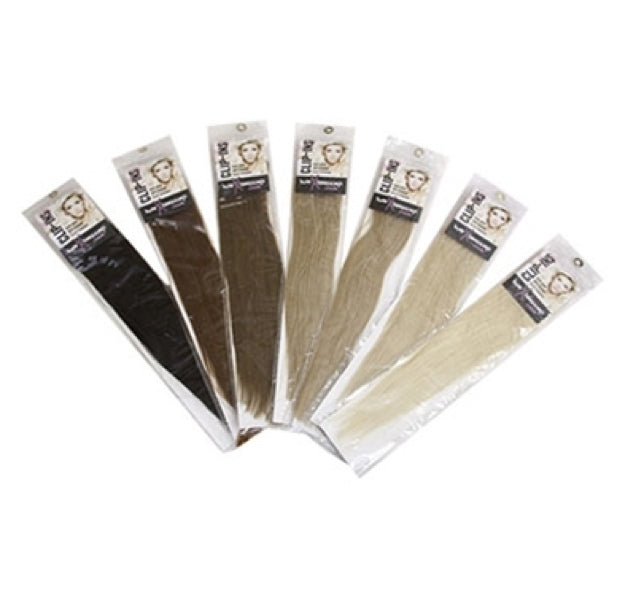
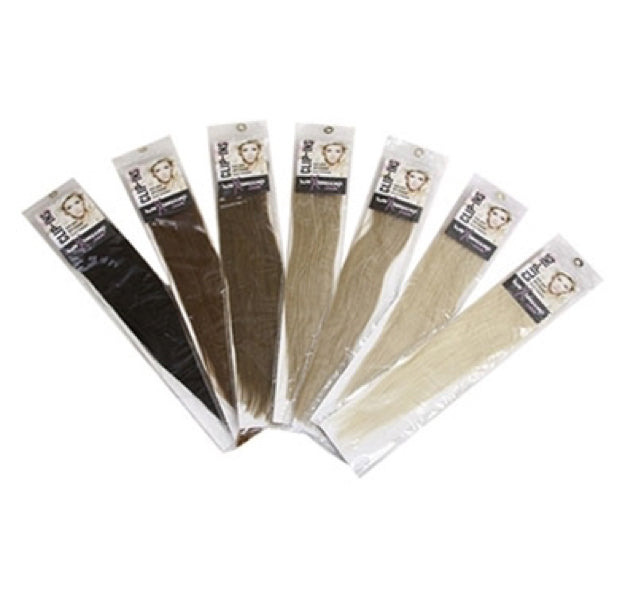
Using a physical colour ring can also help narrow down the most suitable shade before ordering.
What Happens After Fitting?
Tape-In extensions need ongoing care and maintenance.
Brush carefully, support the hair while detangling and avoid unnecessary pulling around the tabs.
Oils, heavy conditioners and similar products should generally be kept away from the adhesive areas unless specifically recommended by the extension technician.
As the natural hair grows, the tape attachments gradually move further away from the scalp and will eventually need professional removal or refitting.
Can Tape-In Extensions Be Reused?
Some Tape-In extension hair can be refitted if the hair remains in suitable condition and the product is designed for reuse.
The old adhesive needs to be removed properly and replaced with compatible fresh tabs before refitting.
Whether a set is suitable for reuse depends on the condition of the hair and attachments, so this should be assessed at maintenance.
When Tape-Ins May Not Be the Best Option
Tape-Ins may not be suitable if the natural hair is significantly weak, damaged or thinning, if the scalp is irritated or unsuitable for adhesive-based attachments, or if the client cannot follow the required aftercare and maintenance routine.
In those cases, another professional extension method or a removable option may be more appropriate.
What to Know Before Booking a Tape-In Fitting
Tape-In extensions can be a useful option for adding length and fuller-looking volume, but the best results come from choosing the method for the right reasons.
The natural hair, scalp, lifestyle and desired result all need to be considered before fitting.
You can browse our Tape-In Hair Extensions, read our Tape-In Suitability Guide or visit our Hair Extension Aftercare Guide for more information.