

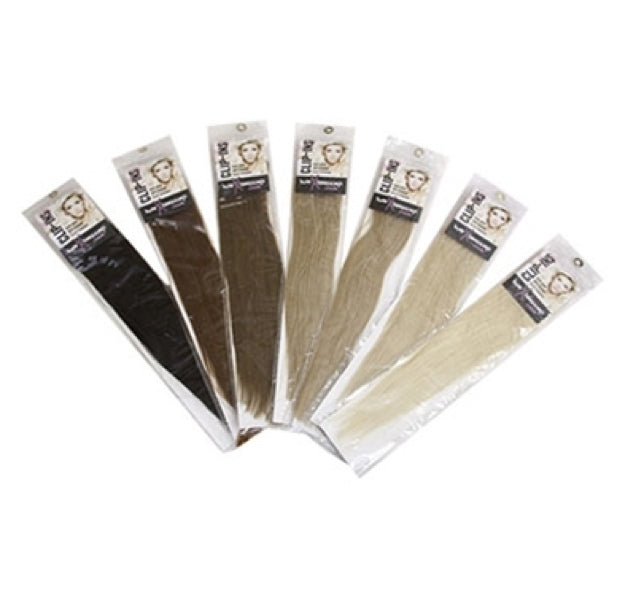
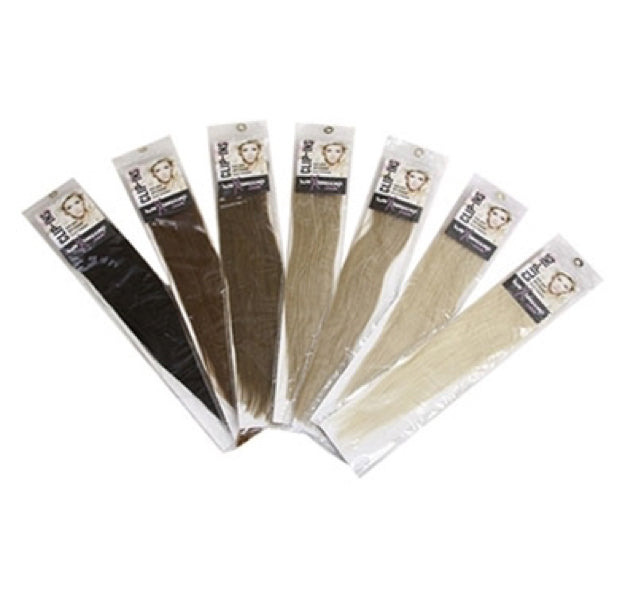
Hair wefts are continuous sections of extension hair joined together along a top seam. Unlike individual Nail-Tip, Stick-Tip or Nano-Tip extensions, a weft provides a wider curtain of hair that can be professionally customised for a variety of fitting techniques.
Popular approaches include LA Weave and other Micro Ring weave methods, traditional sew-in applications and suitable professional adhesive techniques.
The best method depends on the client's natural hair, density, scalp, lifestyle, desired result and the experience of the professional carrying out the fitting.
Hair wefts can be professionally installed in several ways. LA Weave and Micro Ring methods use rings or beads to create a supporting foundation, sew-in methods attach the weft to a suitable braided foundation, and some professional systems use compatible hair-extension adhesive. Correct sectioning, weight distribution, tension, maintenance and removal are important whichever method is chosen.
What Is a Hair Weft?
A hair weft is a continuous curtain of extension hair joined together along a reinforced seam.
HairXtensions wefts are supplied as one continuous double-wefted piece which can be measured and professionally customised according to the chosen installation method.
This makes wefts different from individual extension strands because a wider amount of hair can be added across each fitted row.
Shop Hair Wefts & WeavesPopular Hair Weft Fitting Methods
1. LA Weave
The LA Weave is a popular professional fitting technique where Micro Rings or beads are positioned along a controlled row of natural hair to create a foundation.
The hair weft is then sewn securely onto that foundation using suitable weaving thread and a professional needle.
This method avoids applying liquid adhesive directly along the full weft track, but correct ring placement, natural-hair section size, tension and weight distribution are still important.
2. Micro Ring / Beaded Weft
Micro Ring weave techniques use compatible rings or beads as part of the support system for the hair weft.
Different professional variations exist, so the exact ring placement, row construction and sewing technique can vary.
Rings need to be compatible with the chosen method and positioned so that the finished installation remains secure without placing excessive tension on the natural hair.
3. Traditional Sew-In Weave
A traditional sew-in method normally creates a suitable braided foundation using the client's natural hair.
Sections of hair weft are then sewn to that foundation using extension thread and a suitable weaving needle.
This method requires professional assessment because braid tension, placement, natural-hair condition and the weight of the fitted weft all need to be considered.
4. Professional Adhesive Weft Fitting
Some professional weft systems use compatible hair-extension adhesive as part of the installation process.
Adhesive products and techniques are not interchangeable. The fitter should use products specifically intended for the chosen professional extension method and follow the relevant instructions.
Removal also requires a compatible remover and correct technique rather than pulling the bonded weft from the natural hair.
5. Creating Removable Clip-In Wefts
Continuous hair wefts can also be professionally customised into removable sections by adding suitable extension clips.
This converts the weft into a temporary method that can be applied and removed by the wearer rather than remaining fitted between salon appointments.
Any weft that is cut or altered should be properly finished around the modified edges to help reduce unnecessary shedding.
What Is the Difference Between an LA Weave and a Sew-In?
LA Weave
Typically uses Micro Rings or beads to form the supporting row before the hair weft is sewn into position.
Traditional Sew-In
Normally uses a suitable braided natural-hair foundation before the extension weft is sewn to the braid.
Neither method should be chosen purely because one is described as "better." Natural-hair condition, density, scalp suitability, lifestyle, fitting experience and the required finished result all matter.
How Much Hair Weft Do You Need?
There is no universal number of tracks, rows or packs that will suit every client.
The amount of extension hair required depends on:
Natural Hair Density
Fine and dense natural hair can require very different fitting plans.
Desired Length
A dramatic increase in length may require more hair to create a balanced blend.
Desired Volume
Adding moderate thickness requires a different quantity from creating a significantly fuller result.
Fitting Method
Row placement and the amount of weft used can vary according to the professional installation technique.
Before ordering: Ask the professional who will be fitting the weft to calculate the amount of hair needed for your natural hair and planned installation.
Why Correct Weight & Tension Matter
A weft may contain a substantial amount of extension hair, so its weight needs to be distributed appropriately across the natural hair supporting the fitted row.
Excessive tension, inappropriate sectioning or too much extension weight can place unnecessary stress on natural hair.
The installation should feel secure without creating continuous pulling or significant discomfort.
Newly Fitted Extensions GuideCan Hair Wefts Be Cut?
A continuous weft may need to be divided into smaller sections according to the planned fitting pattern.
Cutting through the manufactured seam can potentially allow hairs to loosen around the modified edge, so the weft should be cut only where necessary and handled using an appropriate professional technique.
HairX Pro Weft Sealer can be considered for suitable modified edges where required.
Important: Check the colour, length and suitability of your hair extensions before cutting, sewing, fitting or otherwise altering them. Modified hair cannot be returned under the normal change-of-mind returns policy.
What Tools Are Used for Hair Weft Fitting?
Required tools depend entirely on the chosen installation method.
Micro Rings or Beads
Used with compatible ring-based weft fitting methods such as selected LA Weave or Micro Ring techniques.
Micro Ring Pliers
Used to professionally close and reopen compatible rings during fitting, maintenance and removal.
Weaving Needle & Thread
Used when sewing a hair weft onto a suitable ring or braided foundation.
Sectioning Tools
Clips, combs and hair grippers help maintain clean and controlled sections during professional application.
Hair Weft Aftercare
Correct aftercare is particularly important when a hair weft is worn as a semi-permanent fitted method.
Brush Carefully
Start at the ends and work upwards while supporting the hair around fitted rows.
Wash Upright
Avoid piling or aggressively rubbing long extension hair together while shampooing.
Dry the Fitting Thoroughly
Make sure the natural hair, roots, weft seam and fitted attachment areas are completely dry before sleeping.
Keep Up With Maintenance
Have professionally fitted rows checked and maintained according to the method and schedule recommended by your extensionist.
How Are Fitted Hair Wefts Removed?
Removal depends on how the weft was originally installed.
Ring-Based Wefts
Compatible rings are professionally reopened before the fitted row is carefully released.
Sewn Wefts
Extension thread must be carefully identified and removed without cutting the client's natural hair.
Adhesive Methods
A suitable professional remover should be used according to the adhesive system rather than pulling the weft away.
After Removal
Naturally shed hairs held around the fitted area should be gently separated and detangled.
We recommend professional removal for semi-permanent hair weft methods.
Browse Hair Extension Removal ProductsHair Weft Fitting – Do & Avoid
Do
- Have the natural hair assessed before fitting
- Choose a method appropriate for the client's hair
- Use controlled sectioning and even weight distribution
- Check colour and suitability before cutting the weft
- Use compatible professional tools
- Keep fitted rows completely dry before sleeping
- Attend regular maintenance appointments
Avoid
- Using one fixed number of rows for every client
- Applying excessive tension
- Fitting too much weight onto unsuitable natural hair
- Cutting the weft before checking the colour
- Using unsuitable adhesive or removal products
- Sleeping with wet fitted wefts
- Pulling or forcing a fitted weft out
Hair Weft Fitting – FAQs
What is an LA Weave?
An LA Weave generally uses Micro Rings or beads to create a supporting row before the hair weft is sewn into position using extension thread.
Do hair wefts need glue?
Not necessarily. Hair wefts can be fitted using ring-based, sewn and other professional techniques. Some specialist methods use compatible adhesive, while others require no liquid adhesive.
Can hair wefts be fitted with Micro Rings?
Yes. Compatible Micro Rings can form part of selected professional weave fitting methods, including LA Weave and other Micro Ring techniques.
How many rows of hair weft do I need?
There is no universal number. It depends on natural-hair density, desired length and volume, head size and the professional fitting technique being used.
Can I cut a hair weft?
Continuous wefts can be professionally divided where required, but cutting the manufactured seam can increase shedding around the cut edge. Check the colour and suitability first because altered hair cannot normally be returned for a change of mind.
Can you turn a hair weft into Clip-In extensions?
A suitable weft can be professionally divided into sections and compatible extension clips can be attached to create a removable Clip-In style system.
Should hair wefts be professionally removed?
Yes, we recommend professional removal for semi-permanent weft methods so thread, rings or adhesive can be released using the correct technique without pulling the natural hair.
Choose the Right Hair Weft Fitting Method
Hair wefts are extremely versatile, but the fitting method should be selected according to the client's natural hair, desired result, maintenance requirements and professional assessment — not simply because one technique is described as suitable for everybody.
Shop Hair Wefts View Fitting & Removal Guides