



10 Benefits of Tape-In Hair Extensions: Are They Right for You?
Tape-In hair extensions are a popular professional extension method for clients who want to add length, volume or both without using individual bonded strands.
They use lightweight adhesive panels that are fitted around sections of natural hair, creating a flat attachment that can sit discreetly against the head when applied correctly.
But what are the real benefits of Tape-In extensions, and are they suitable for everyone?
This guide explains the main advantages of Tape-In hair extensions, how they are fitted, what maintenance involves and what to consider before choosing them.
✔ Flat attachment panels
✔ Can add length and volume
✔ Suitable for customised colour blending
✔ Reusable if the extension hair remains in good condition
✔ Require regular professional maintenance
✔ Correct fitting and aftercare are essential
What Are Tape-In Hair Extensions?
Tape-In hair extensions are fitted using thin extension panels with adhesive attachment areas.
A suitable section of natural hair is normally placed between two Tape-In panels, creating what is often called a Tape-In sandwich.
The panels are then pressed together to create a flat attachment.
Because the extensions are fitted in sections rather than individual strands, Tape-Ins can be a practical option for adding noticeable length and fullness.
1. Tape-In Extensions Have Flat Attachments
One of the main advantages of Tape-In extensions is their flat attachment design.
When fitted correctly, the panels sit relatively close to the head and can be discreet underneath the surrounding natural hair.
This makes them appealing to clients who prefer a flatter attachment compared with some individual-strand methods.
2. They Can Add Length Quickly
Tape-In extensions can create a noticeable increase in length during a professional fitting appointment.
Because each panel contains more hair than an individual strand extension, a technician can build length across the head using fewer attachment points.
The final result depends on:
- The client's natural hair length
- Natural hair thickness
- The number of Tape-In panels fitted
- The extension length chosen
- How the finished hair is cut and blended
3. Tape-Ins Can Add Volume
Tape-In extensions are not only for creating longer hair.
They can also be used to add extra fullness through the sides, back and ends.
Clients who are happy with their natural length may choose Tape-Ins mainly to create thicker-looking hair.
Someone wanting mainly volume may need a different amount of extension hair than someone creating a full length transformation. The fitting should be planned around the client's natural density and desired result.
4. They Work Well for Multi-Tonal Colour Blending
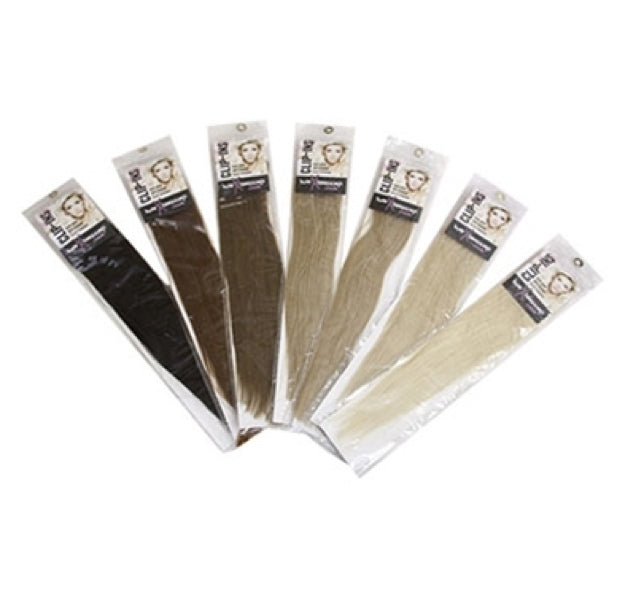
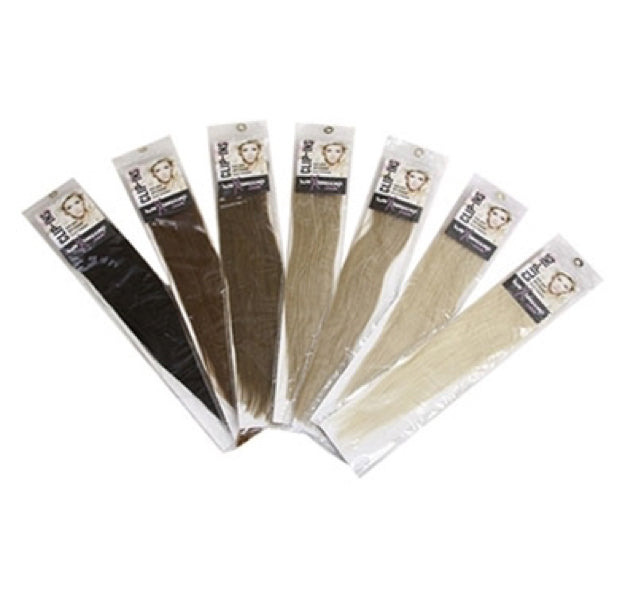
Tape-In hair extensions are available in a wide range of shades, which means several colours can be blended together during fitting.
This is useful because natural hair often contains more than one tone.
Mixing shades can help recreate:
- Highlights
- Lowlights
- Warmer tones
- Cooler tones
- Natural colour variation
A customised blend can often look more natural than fitting one single shade throughout the entire head.
5. Tape-In Extensions Can Be Reused
One of the biggest practical benefits of Tape-In extensions is that suitable extension hair can potentially be reused during maintenance.
When the extensions are removed, the old adhesive is cleaned away and fresh replacement tape tabs are applied before the extensions are refitted.
The hair itself still needs to be in suitable condition.
Fresh adhesive cannot restore extension hair that has become excessively dry, damaged, tangled or thin through the ends.
6. They Do Not Require Heat During Fitting
Tape-In extensions are applied using adhesive panels rather than heat-based bonding.
This can appeal to clients who prefer an extension method that does not require a heated bonding tool during application.
However, avoiding heat during fitting does not automatically make an extension method suitable for every client.
The natural hair still needs to be strong enough to support the extension weight.
7. Tape-In Extensions Can Be Professionally Repositioned
As natural hair grows, the Tape-In panels gradually move further away from the scalp.
During maintenance, suitable extensions can be professionally removed, prepared with fresh adhesive and repositioned closer to the scalp.
This allows the same extension hair to continue being used while it remains in good condition.
8. They Can Create a Full Result Without Individual Bonds
Because Tape-In extensions are applied in wider panels, they can create noticeable coverage and fullness without fitting large numbers of individual bonded strands.
This can make them appealing to clients who prefer a panel-based method.
The number of panels needed still depends on the client's natural hair and desired finish.
9. They Can Be Cut and Blended into the Natural Hair
After fitting, Tape-In extensions can be trimmed, layered and shaped into the client's natural hair.
This step is particularly important when there is a significant difference between the natural hair length and the extension length.
Good blending helps prevent a visible line between the client's own hair and the extensions.
10. Tape-Ins Offer Plenty of Styling Options
Human hair Tape-In extensions can generally be styled in many of the same ways as natural hair.
Depending on the fitting and placement, clients may be able to wear:
- Straight styles
- Curls
- Waves
- Low ponytails
- Loose updos
- Braided styles
Care is needed around the attachment panels, particularly when using heated styling tools.
Are Tape-In Hair Extensions Suitable for Everyone?
No extension method is suitable for absolutely everyone.
Tape-In suitability depends on factors including:
- Natural hair density
- Hair strength
- Scalp condition
- Lifestyle
- Desired result
- Maintenance commitment
A professional consultation should be used to assess whether Tape-Ins are appropriate for the client's hair.
Are Tape-In Extensions Suitable for Fine Hair?
Potentially.
The flat attachment can be discreet in suitable fine hair, but the natural hair still needs enough density and strength to support the panel.
Placement is especially important because panels fitted too close to visible areas may be easier to see.
Fine hair should always be assessed professionally before fitting.
Are Tape-In Extensions Suitable for Thick Hair?
Yes.
Clients with thick natural hair can use Tape-In extensions, although they may need more extension hair to create enough volume for a balanced result.
If too little hair is fitted, the extension lengths can look thin compared with the client's natural hair.
How Are Tape-In Hair Extensions Fitted?
A typical professional Tape-In fitting involves:
- Assessing the client's natural hair.
- Choosing suitable colours and lengths.
- Preparing clean, dry natural hair.
- Creating precise sections.
- Positioning the Tape-In panels.
- Placing an appropriate amount of natural hair between the panels.
- Applying firm, even pressure.
- Cutting and blending the extensions into the finished style.
What Is the Tape-In Sandwich Method?
The sandwich method places a section of natural hair between two Tape-In extension panels.
The adhesive sides face one another and are pressed together around the natural hair.
The amount of natural hair placed between the panels needs to be carefully judged.
Can Too Much Hair Be Placed Between Tape Panels?
Yes.
If too much natural hair is placed between the panels, the adhesive surfaces may not make sufficient contact with one another.
This can affect the security of the attachment.
Can Too Little Hair Be Used?
Yes.
The natural section also needs enough strength to support the weight of the extension.
This is why correct sectioning is an important part of professional fitting.
Do Tape-In Extensions Damage Hair?
Any extension method can place stress on natural hair if it is unsuitable, fitted incorrectly, maintained poorly or removed improperly.
Risk can increase when:
- Panels are too heavy for the natural hair
- Sections are too small
- Attachments are fitted too tightly
- Maintenance is delayed excessively
- Extensions are pulled during brushing
- Removal is carried out incorrectly
Professional fitting, maintenance and removal are recommended.
How Long Do Tape-In Hair Extensions Stay Fitted?
There is no single maintenance interval that applies to everyone.
The attachments gradually move away from the scalp as the client's natural hair grows.
Maintenance timing can depend on:
- Natural hair growth
- Hair type
- Attachment movement
- Scalp oiliness
- Aftercare
- The original fitting
Your extension technician should advise when your Tape-Ins need to be removed and refitted.
What Happens During Tape-In Maintenance?
A maintenance appointment may include:
- Removing the Tape-In extensions.
- Cleaning adhesive residue from the natural hair.
- Cleaning the extension attachment panels.
- Inspecting the extension hair.
- Applying fresh replacement tape tabs.
- Refitting suitable extensions closer to the scalp.
Can You Reuse the Old Tape?
No.
Once Tape-In extensions have been removed, the old adhesive should be cleaned away and replaced with fresh tape before refitting.
👉 Read Our Replacement Tape Tabs & Tape-In Refitting Guide
Why Is Correct Tape Preparation Important?
Fresh adhesive needs a clean, dry attachment surface.
Old tape residue, oil, conditioner or other contamination can reduce adhesion.
Good preparation is just as important as the replacement tape itself.
Can Tape-In Extensions Slip?
Yes.
Possible causes of slipping include:
- Oil around the attachment panels
- Conditioner or serum build-up
- Poor preparation
- Incorrect fitting pressure
- Incorrect sectioning
- Old adhesive residue
- Attachment movement from natural growth
Does Slipping Mean the Tape Is Faulty?
Not necessarily.
Tape-In retention depends on the full fitting and aftercare process.
If several panels are slipping, the technician should look at preparation, fitting technique, product use and aftercare rather than assuming the adhesive alone is responsible.
Can Hair Oil Affect Tape-In Extensions?
Yes.
Oil directly around the adhesive attachment can contribute to slipping.
Hair oil is usually better concentrated through the mid-lengths and ends.
Can Conditioner Affect Tape Adhesion?
Yes.
Rich conditioner applied directly around Tape-In panels can reduce adhesion over time.
Conditioner should generally be focused through the mid-lengths and ends.
Can Dry Shampoo Affect Tape-Ins?
Heavy dry shampoo build-up around the attachment area can interfere with adhesion and contribute to product residue.
Use it carefully and avoid repeatedly layering product around the tapes without proper cleansing.
Can You Wash Tape-In Hair Extensions?
Yes.
A good washing routine includes:
- Brush the hair before washing.
- Wet the hair thoroughly.
- Apply suitable shampoo around the scalp.
- Massage gently without aggressively rubbing the panels.
- Rinse thoroughly.
- Apply conditioner mainly through the mid-lengths and ends.
- Rinse well.
- Dry the attachment areas properly.
Can You Use Hair Masks with Tape-Ins?
Yes.
Apply rich masks mainly to the mid-lengths and ends and avoid coating the adhesive panels.
Can You Blow-Dry Tape-In Extensions?
Yes.
Dry the roots and attachment areas properly rather than leaving them damp for long periods.
Avoid excessive heat directly on the tape panels.
Can You Straighten or Curl Tape-In Extensions?
Human hair Tape-Ins can generally be styled using suitable heated tools and heat protection.
Do not clamp straighteners or curling tools directly onto the adhesive attachment areas.
Can You Sleep with Tape-In Hair Extensions?
Yes.
Before bed:
- Make sure the hair is dry
- Brush gently
- Check the nape for tangles
- Secure the lengths loosely if required
Should You Sleep with Wet Tape-Ins?
It is best avoided.
Sleeping with wet hair can increase tangling and matting, particularly around the roots and attachment areas.
Can You Exercise with Tape-In Extensions?
Yes.
After heavy exercise, allow the scalp and attachment areas to dry properly.
Regular washing can also help prevent excessive sweat and product build-up around the panels.
Can You Swim with Tape-In Extensions?
Yes, although chlorine, salt water and repeated soaking can affect both the extension hair and attachment areas.
After swimming, rinse the hair thoroughly, condition the lengths and dry the attachment areas properly.
Can Hard Water Affect Tape-In Extensions?
Yes.
Mineral build-up can affect the feel, appearance and manageability of extension hair over time.
Correct cleansing and aftercare are especially important in hard-water areas.
Are Tape-In Extensions Comfortable?
They should not cause persistent pain or pulling.
A fresh fitting may feel different at first, but ongoing discomfort should be checked.
Panels fitted too tightly or in unsuitable sections may need repositioning.
Can Tape-In Extensions Be Seen?
They can be discreet when fitted correctly.
Visibility depends on:
- Natural hair density
- Panel placement
- Hairline position
- Hairstyle
- Wind or movement
- How the hair is tied up
Can You Wear Your Hair Up with Tape-Ins?
Often, yes.
Placement should be planned around the styles the client regularly wears.
Very high or tight hairstyles may make some panels more visible depending on their position.
Can Tape-Ins Add Highlights Without Colouring the Hair?
Yes.
Different extension shades can be placed strategically throughout the hair to create extra colour dimension.
This can be useful for introducing lighter or darker pieces without colouring every section of the client's natural hair.
How Do Tape-Ins Compare with Nano Tips?
Tape-Ins use flat adhesive panels, while Nano Tips are individual strands fitted using very small rings.
Neither method is automatically better.
The best option depends on natural hair, desired result, lifestyle and personal preference.
✔ You want added length or volume
✔ You like a flat panel attachment
✔ You are happy to attend regular maintenance appointments
✔ You can follow suitable aftercare
✔ Your natural hair is strong enough to support the extensions
What Are the Downsides of Tape-In Extensions?
Tape-Ins also come with responsibilities.
Things to consider include:
- Regular maintenance is required
- Oil and heavy products need to be kept away from the adhesive area
- They need careful professional removal
- The hair should not be left wet around the attachments for long periods
- Not every client is suitable
Understanding both the advantages and the maintenance commitment helps clients make a more informed choice.
Are Tape-In Hair Extensions Worth It?
They can be a very practical option for clients who like the flat attachment design and want noticeable length or volume.
However, good results depend heavily on correct fitting, maintenance and aftercare.
Tape-Ins should not be chosen purely because they are popular. The natural hair and lifestyle of the individual client should always be considered.
How to Get the Best Results from Tape-In Extensions
For the best possible result:
- Have the natural hair professionally assessed
- Choose suitable colours and lengths
- Ensure the hair is clean and dry before fitting
- Use correct sectioning and placement
- Apply even pressure during fitting
- Follow suitable aftercare
- Attend maintenance appointments when required
Good Tape-In retention is not about one product alone. Preparation, fitting, placement, aftercare and maintenance all work together.
Shop Tape-In Hair Extensions
Explore our Tape-In hair extensions in a wide range of shades and lengths for professional fitting and customised colour blending.
🎀 Shop Tape-In Hair Extensions
Tape-In Refitting & Replacement Tape Tabs
When Tape-In extensions are removed for maintenance, the old adhesive needs to be cleaned away before fresh tape is applied.
👉 Read Our Replacement Tape Tabs & Tape-In Refitting Guide
Hair Extension Aftercare
Correct washing, brushing, drying and product use can help maintain both the extension hair and the attachment areas.
👉 Read Our Complete Hair Extension Aftercare Guide
Final Thoughts
Tape-In hair extensions offer several genuine benefits, including flat attachment panels, the ability to add both length and volume, customised colour blending and the potential to reuse suitable extension hair during professional maintenance.
However, their success depends on far more than the extensions themselves.
Correct preparation, suitable placement, careful fitting, regular maintenance and good aftercare all play an important role in how the extensions look, feel and perform.
For clients whose natural hair is suitable and who are happy to maintain them correctly, Tape-In extensions can be a versatile option for creating fuller, longer-looking hair.