



How to Brush Hair Extensions Correctly: Complete Detangling & Aftercare Guide
Brushing hair extensions correctly is one of the most important parts of everyday aftercare.
The right technique can help reduce tangling, matting, unnecessary pulling and stress around fitted attachment areas.
This guide explains how to brush hair extensions properly, which tools to use, how to detangle knots safely, how brushing differs between fitted and removable extensions, and the mistakes that can cause avoidable damage.
✔ Start at the ends and work upwards
✔ Support the hair near the roots
✔ Brush gently around fitted attachments
✔ Never drag a brush through stubborn knots
✔ Detangle before washing
✔ Check the nape regularly for matting
✔ Use a suitable extension brush or loop brush
Why Is Brushing Hair Extensions So Important?
Hair extensions can tangle just like natural hair, but fitted extensions also have attachment areas that need extra care.
Regular gentle brushing can help:
- Prevent knots from becoming larger
- Reduce matting
- Keep the lengths smoother
- Remove loose shed hairs
- Reduce pulling around attachment areas
- Improve day-to-day manageability
How Often Should You Brush Hair Extensions?
Hair extensions should generally be brushed regularly throughout the day as needed.
For many people, this means brushing in the morning, before bed and whenever the lengths begin to tangle.
Longer extensions, thick hair and active lifestyles may require more frequent gentle detangling.
What Is the Correct Way to Brush Hair Extensions?
A good brushing technique is simple:
- Separate the hair into manageable sections.
- Support the hair near the roots with one hand.
- Begin brushing at the ends.
- Work gradually upwards through the mid-lengths.
- Brush closer to the roots once the lower sections are smooth.
- Take extra care around attachment areas.
Why Should You Start at the Ends?
Starting at the ends helps remove smaller tangles before they are pulled into larger knots.
If you begin at the roots and drag the brush down through tangled lengths, you can increase pulling and tension.
Why Should You Support the Roots?
Holding the hair near the roots helps reduce tension on fitted attachment areas while brushing.
This is especially important with methods such as:
- Nano Tips
- Stick Tips
- Nail Tips
- Tape-Ins
- Wefts
What Is the Best Brush for Hair Extensions?
A suitable hair extension brush should detangle the lengths while reducing unnecessary snagging around fitted attachments.
Popular options include:
- Professional extension brushes
- Loop brushes
- Wide-tooth combs for selected detangling tasks
✨ Shop Hair Extension Brushes & Combs
What Is a Loop Brush?
A loop brush uses looped bristles designed to move around fitted attachment areas with less snagging than some traditional brushes.
It can be particularly useful for clients wearing individual strand extensions.
Can You Use a Normal Hairbrush on Hair Extensions?
Some standard brushes may be suitable, but brushes with rigid bristles or designs that catch heavily around attachment areas are best avoided.
Choose a brush that glides through the hair rather than pulling against bonds, rings or tapes.
Can You Use a Wide-Tooth Comb?
Yes, in some situations.
A wide-tooth comb can be useful for gently working through the lengths, particularly when detangling conditioner through removable extensions.
Avoid dragging the comb directly through fitted attachment areas.
How Do You Brush Nano Tip Hair Extensions?
With Nano Tips, work carefully around the small ring attachments.
Support the roots and brush the lengths from the ends upwards.
When working closer to the scalp, move the brush gently between sections rather than forcing bristles through the rings.
How Do You Brush Stick Tip Hair Extensions?
Stick Tips should be brushed in a similar way.
Support the attachment areas and detangle the lengths first.
Avoid pulling hard against the rings.
How Do You Brush Nail Tip Hair Extensions?
Brush from the ends upwards while holding the natural hair near the roots.
Take care around the keratin bonds and avoid repeatedly scraping the brush directly across them.
How Do You Brush Tape-In Hair Extensions?
Tape-In extensions need gentle brushing around the flat adhesive panels.
Brush the lengths normally from the ends upwards, then carefully work near the roots without forcing the brush through the tapes.
Avoid lifting or catching the corners of the panels.
How Do You Brush Hair Wefts?
With fitted wefts, support the hair near the attachment row and brush the lengths from the ends upwards.
Take care not to drag the brush aggressively across the stitching, rings or attachment points.
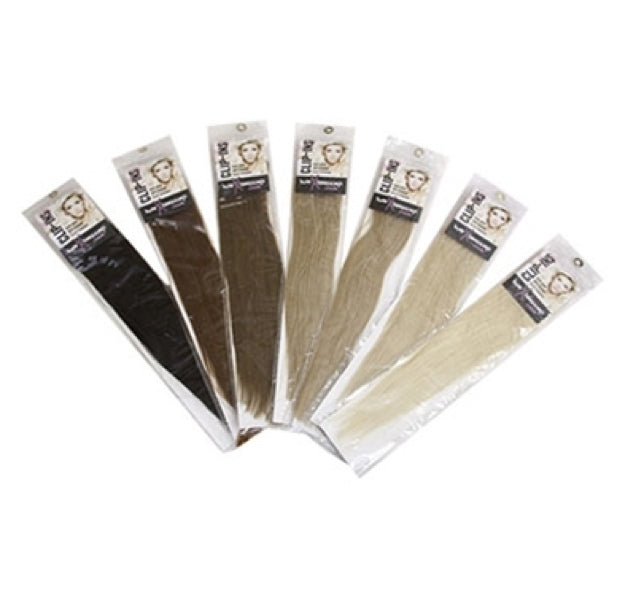
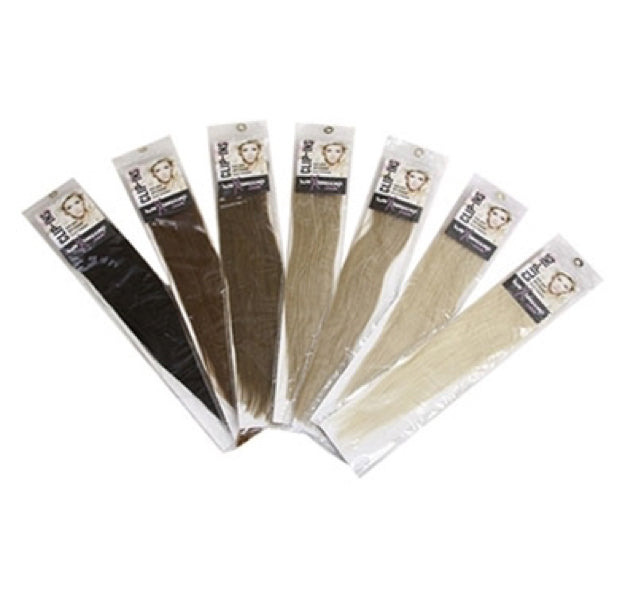
How Do You Brush Clip-In Hair Extensions?
Clip-In extensions are easier to brush when removed from the head.
Hold the weft firmly at the top and gently brush from the ends upwards.
Once smooth, the extensions can be stored safely until the next use.
Should You Brush Clip-Ins Before Putting Them In?
Yes.
Brush each piece before fitting so the hair is smooth and free from knots.
Should You Brush Hair Extensions Before Washing?
Yes.
Detangling before washing helps prevent existing knots from tightening once the hair becomes wet.
Pay particular attention to the nape and lower layers.
Can You Brush Hair Extensions While Wet?
Yes, but with extra care.
Wet hair is more vulnerable to stretching and breakage, so use gentle tension and work slowly from the ends upwards.
If the hair is heavily tangled, do not drag a brush through it.
Should You Let Hair Extensions Air-Dry Before Brushing?
Not necessarily.
You do not need to wait until the hair is nearly dry before detangling, but wet hair should always be handled carefully.
For fitted extensions, avoid leaving attachment areas damp for long periods.
How Should You Detangle Wet Hair Extensions?
A safe approach is:
- Gently squeeze out excess water.
- Apply suitable conditioner or leave-in product through the lengths if needed.
- Separate the hair into sections.
- Support the hair near the roots.
- Detangle the ends first.
- Work gradually upwards.
Can Conditioner Help with Detangling?
Yes.
Conditioner can help improve slip through the mid-lengths and ends.
Keep rich products away from fitted attachment areas, particularly Tape-In adhesive.
Can You Use Leave-In Conditioner?
Yes, if suitable for extension hair.
A light leave-in conditioner can help improve manageability and reduce friction through the lengths.
✨ Shop Hair Extension Aftercare
How Do You Detangle a Knot in Hair Extensions?
Do not pull harder.
Instead:
- Hold the hair above the knot.
- Separate the knot gently with your fingers.
- Start at the very bottom of the tangle.
- Use short, gentle brush strokes.
- Apply a small amount of suitable detangling product if needed.
What If the Knot Will Not Come Out?
If a knot is close to a fitted attachment or has become tightly matted, avoid cutting or pulling at it yourself.
A professional extension technician may be able to detangle it more safely.
A stubborn knot is not a reason to brush harder. More force usually means more pulling on both the extension hair and the natural hair.
Why Do Hair Extensions Tangle at the Nape?
The nape is one of the most common areas for tangling because it experiences constant friction from:
- Clothing
- Scarves
- Coat collars
- Sleeping
- Head movement
- Sweat
How Do You Prevent Nape Matting?
Check the nape regularly rather than waiting until a large knot has formed.
Separate the lower sections gently and brush them from the ends upwards.
Keeping the area dry and free from excessive product build-up can also help.
What Is Root Matting?
Root matting occurs when loose naturally shed hairs, extension strands and neighbouring sections become tangled together near the attachment areas.
It can become more likely when maintenance is overdue or the roots are not regularly separated and brushed.
Does Natural Hair Still Shed While Wearing Extensions?
Yes.
Natural hair continues its normal shedding cycle.
When extensions are fitted, some shed hairs remain trapped around the attachment until maintenance.
This is one reason regular root care and professional maintenance are important.
Can You Brush Over Hair Extension Bonds?
Do not aggressively drag the brush directly over fitted bonds.
Work around them carefully and use a suitable extension brush designed to reduce catching.
Can Brushing Cause Hair Extensions to Slip?
Aggressive brushing can contribute to unnecessary pulling around attachment areas.
With Tape-Ins, repeatedly catching the edge of a panel may place stress on the adhesive area.
With ring methods, hard pulling can place tension on both the ring and natural hair.
Can Over-Brushing Damage Hair Extensions?
Repeated aggressive brushing can increase wear and friction.
The goal is regular gentle detangling rather than constant forceful brushing.
Can Under-Brushing Cause Problems?
Yes.
If small tangles are ignored, they can grow into larger knots and matting.
This is especially common around the nape and between fitted attachment rows.
Should You Brush Hair Extensions in Sections?
Yes, especially if the hair is thick or long.
Sectioning helps you reach lower layers and identify tangles before they become severe.
How Many Sections Should You Use?
There is no fixed number.
Use enough sections to brush the full head comfortably without missing the lower layers.
Should You Brush the Roots?
Yes, but carefully.
The natural hair between attachment areas still needs regular detangling.
Use your fingers and a suitable brush to keep neighbouring sections separated.
Can You Brush Hair Extensions Upside Down?
It is usually better to brush in a controlled upright position where the attachment areas can be supported properly.
Flipping long fitted extensions upside down can make the roots harder to control.
Should You Brush Before Bed?
Yes.
A gentle brush before sleeping can help remove tangles accumulated during the day.
Longer extensions can then be loosely secured if required.
How Should You Wear Hair Extensions to Bed?
Before bed:
- Make sure the hair is dry
- Brush gently
- Check the nape for knots
- Loosely secure long lengths if needed
Can You Sleep with Wet Hair Extensions?
It is best avoided.
Wet hair can tangle more easily while you move during sleep.
Fitted attachment areas should also be dried properly before bed.
Should You Brush Hair Extensions in the Morning?
Yes.
Morning brushing helps remove small tangles from overnight movement before styling.
Should You Brush Before Heat Styling?
Yes.
Hair should be smoothly detangled before using straighteners, curling tools or blow-drying brushes.
Heat styling over knots can increase snagging and uneven tension.
Can You Brush Curls Out of Hair Extensions?
Yes.
Once curls have cooled, gently brushing them can create softer waves.
If you want to keep more definition, use your fingers instead.
Can You Brush Hair Extensions After Swimming?
Yes, but detangle carefully.
After swimming:
- Rinse thoroughly with fresh water.
- Gently remove excess water.
- Condition the lengths if appropriate.
- Support the roots.
- Detangle from the ends upwards.
- Dry attachment areas properly.
🏊 Read Our Swimming with Hair Extensions Guide
Can Wind Make Extensions Tangle?
Yes.
Long extension hair can knot quickly in strong wind.
A loose braid or low-tension style can help reduce movement when conditions are windy.
Can Scarves and Coats Cause Tangling?
Yes.
High collars, scarves and coats can create friction around the nape and lower lengths.
Check this area regularly during colder weather.
Can Dry Hair Tangle More Easily?
Yes.
Dry extension hair may have more friction between strands, which can make tangling more noticeable.
Suitable conditioning products can help improve manageability.
Can Product Build-Up Make Brushing Harder?
Yes.
Heavy layers of oils, dry shampoo, styling sprays and other products can make hair feel coated and harder to detangle.
Use products in moderation and cleanse the hair appropriately.
Can Hard Water Make Extensions Tangle?
It can contribute.
Mineral build-up can affect softness and manageability, which may make the hair feel rougher.
💧 Read Our Hard Water & Hair Extension Aftercare Guide
Can Damaged Hair Extensions Be Harder to Brush?
Yes.
Extension hair that has become very dry, rough or heat damaged may tangle more frequently.
Brushing cannot reverse structural damage to worn extension hair.
How Do You Know When Hair Extensions Need Replacing?
Replacement may be appropriate if the hair has become:
- Severely dry
- Constantly tangled
- Very thin through the ends
- Heavily heat damaged
- Difficult to manage despite correct aftercare
Should You Brush Before a Maintenance Appointment?
Yes.
Arriving with clean, gently detangled hair can make the maintenance process easier.
Do not aggressively pull apart matted roots beforehand if they are already tightly tangled.
What Happens to Shed Hair During Maintenance?
Naturally shed hairs trapped around fitted attachments are released when the extensions are removed or repositioned.
This can sometimes look like more shedding than expected because several weeks of normal shed hairs are released at once.
Can You Use Detangling Spray on Hair Extensions?
Yes, if it is suitable for extension hair.
Use it mainly through the mid-lengths and ends and avoid saturating fitted attachment areas.
Can You Use Hair Oil Before Brushing?
A very small amount through dry ends may improve slip.
Avoid excessive oil, especially near Tape-In adhesive or fitted attachment areas.
How Do You Brush Very Long Hair Extensions?
Long extensions are easier to manage when divided into sections.
Hold the hair around mid-length, brush the ends smooth, then gradually move your supporting hand higher as you work upwards.
How Do You Brush Thick Hair Extensions?
Work in layers rather than brushing only the top surface.
Lift sections so you can reach the hair underneath and around the nape.
How Do You Brush Fine Hair Extensions?
Use light pressure and avoid repetitive pulling.
Fine natural hair may need particular care around fitted attachment areas because the supporting sections can be smaller.
Common Hair Extension Brushing Mistakes
✖ Starting at the roots and pulling through knots
✖ Brushing aggressively
✖ Ignoring tangles at the nape
✖ Catching fitted attachment areas repeatedly
✖ Sleeping with wet, tangled extensions
✖ Using unsuitable brushes
✖ Pulling harder when a knot will not move
Hair Extension Brushing Checklist
✔ Separate the hair into sections
✔ Support the roots
✔ Start at the ends
✔ Work gradually upwards
✔ Brush around attachments carefully
✔ Check the nape
✔ Remove tangles before bed
Best Way to Prevent Hair Extension Matting
Prevention is much easier than trying to remove severe matting.
Good habits include:
- Regular gentle brushing
- Keeping the hair dry before bed
- Checking the nape daily
- Using suitable aftercare products
- Drying attachment areas properly
- Attending maintenance appointments when required
Shop Hair Extension Brushes & Combs
Using the right tools can make everyday detangling easier while helping reduce unnecessary pulling around fitted attachments.
✨ Shop Hair Extension Brushes & Combs
Hair Extension Aftercare
Brushing is only one part of keeping extension hair in good condition.
Washing, conditioning, drying, styling and maintenance all play an important role too.
👉 Read Our Complete Hair Extension Aftercare Guide
Final Thoughts
Brushing hair extensions correctly is simple, but technique matters.
Start at the ends, work gradually upwards, support the hair near the roots and take extra care around fitted attachments.
Regular gentle brushing can help prevent small tangles from becoming larger knots, particularly around the nape and lower layers.
Most importantly, never respond to a stubborn knot by pulling harder.
With the right brush, a little patience and consistent aftercare, hair extensions can remain much easier to manage throughout wear.