


Wearing hair extensions doesn't mean giving up the gym, running, fitness classes or your usual exercise routine.
Most professionally fitted hair extension methods can be worn while exercising. The important part is managing sweat, avoiding unnecessary pulling and making sure fitted attachment areas are dried properly after your workout.
There also isn't one extension method that is automatically "best" for everybody who exercises. Your natural hair, chosen fitting method, training routine and maintenance habits all matter.
Yes, you can exercise with fitted hair extensions. Wear the hair in a comfortable loose ponytail or braid, avoid excessively tight styles and don't leave sweaty roots or attachment areas damp for long periods. After training, allow the scalp to cool and make sure bonds, rings, tapes and weft rows are thoroughly dry.
Can You Go to the Gym with Hair Extensions?
Yes. Correctly fitted hair extensions can generally remain in place while you exercise.
Sweat itself doesn't mean that your extensions will automatically fall out, but leaving the roots damp, repeatedly pulling the hair into very tight styles or allowing sweat and product build-up to accumulate can create problems over time.
Your routine after the workout can therefore be just as important as what you do while exercising.
Which Hair Extensions Are Best for the Gym?
There isn't one universal "best" extension method for active people.
Different methods can work well with an active lifestyle when they are professionally fitted, suitable for the natural hair and maintained correctly.
Micro Ring / Stick-Tip
These extensions don't rely on adhesive, but the rings and root areas still need to be kept clean, untangled and thoroughly dry.
Nano-Tip
Nano Rings are small and discreet, but they still require careful brushing, drying and regular professional maintenance.
Nail-Tip / U-Tip
Keratin-bonded extensions can be worn during exercise. Avoid oils and heavy products around the bonds and dry the root area after sweating.
Tape-In
Tape-Ins can be worn while exercising. Don't leave sweat around the tape attachment areas for long periods and dry the roots and tapes thoroughly afterwards.
Hair Wefts
Professionally fitted wefts can also suit an active lifestyle. Pay particular attention to drying underneath and around fitted rows.
Clip-In Extensions
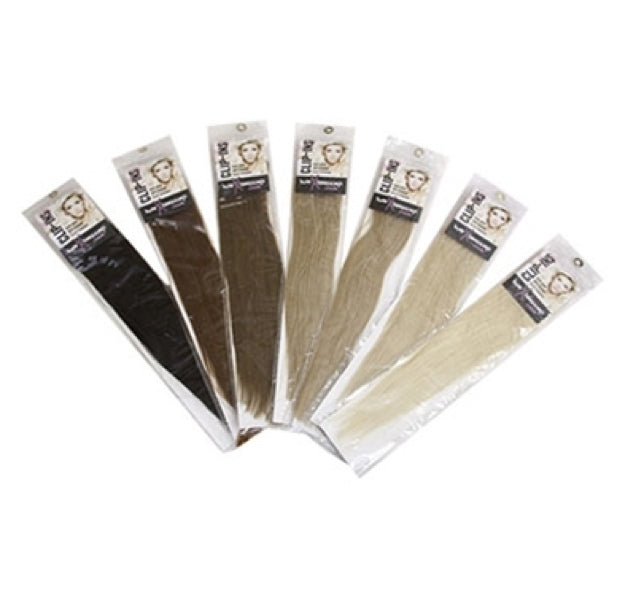
Clip-Ins are removable. They can be worn for some activities, but removing them for intense workouts can reduce repeated pulling, friction and unnecessary exposure to sweat.
Does Sweat Damage Hair Extensions?
Sweat doesn't automatically ruin human hair extensions, but repeatedly leaving the scalp, natural hair and attachment areas damp can contribute to tangling, build-up and poor maintenance around the roots.
Sweat also contains salts, so allowing heavy perspiration to repeatedly dry into the hair without suitable cleansing can leave the hair feeling less fresh and manageable.
After a sweaty workout: Allow your scalp to cool, gently separate fitted sections if needed and make sure the root and attachment areas are thoroughly dry.
Hair Extension Gym Routine
Brush Before Training
Gently remove existing tangles before tying your hair back so they do not tighten during exercise.
Secure the Hair Comfortably
Use a loose ponytail, braid or another secure style that keeps the lengths controlled without pulling tightly on fitted attachment areas.
Avoid Constant Pulling
High, extremely tight ponytails and buns can place additional tension on the natural hair and extension attachments.
Cool Down After Exercise
Allow the scalp to cool and take the hair out of a tight workout style rather than leaving sweaty hair compressed for hours afterwards.
Dry the Roots
If the scalp or attachments are damp with sweat, dry them thoroughly using controlled airflow and suitable heat.
Wash When Needed
Follow your normal extension-friendly washing routine according to your scalp, lifestyle and level of perspiration rather than aggressively shampooing the hair after every light workout.
What's the Best Hairstyle for Working Out with Extensions?
The aim is to keep the extension lengths controlled without creating excessive tension.
Loose Braid
A braid can help keep long extension hair controlled and reduce movement through the lengths during exercise.
Low Ponytail
A comfortably secured low ponytail can reduce the amount of pulling created by repeatedly wearing very high styles.
Braided Ponytail
Securing the hair first and then braiding the lengths can work well for running or higher-movement workouts.
Loose Bun
A comfortable bun may keep the hair away from the face and neck, but avoid twisting or securing it so tightly that fitted areas pull.
Your workout hairstyle shouldn't hurt. Persistent pulling or scalp pain is not something to ignore. If fitted extensions repeatedly feel painful during normal movement, have the fitting checked by your extensionist.
Can You Run with Hair Extensions?
Yes. Running is generally compatible with professionally fitted hair extensions.
Because running creates repeated movement, controlling long extension lengths with a comfortable braid or ponytail can help reduce tangling.
After a particularly sweaty run, dry the root and attachment areas rather than leaving them wet beneath a ponytail or bun.
Can You Exercise with Tape-In Extensions?
Yes. Tape-In hair extensions can be worn while exercising.
The main priorities are keeping oils and rich products away from the tape strips, not leaving sweat around the attachment areas for prolonged periods and drying the tapes and roots thoroughly afterwards.
If several Tape-In panels repeatedly slip, ask your extensionist to check the fitting and your aftercare routine rather than assuming exercise alone is responsible.
View Tape-In Hair ExtensionsCan You Exercise with Micro Ring or Nano Extensions?
Yes. Ring-based extensions don't use adhesive, so normal perspiration does not dissolve an adhesive attachment.
However, sweat, movement and repeated tight hairstyles can still contribute to tangling or unnecessary pulling if aftercare is poor.
Keep fitted sections separated, brush carefully and make sure the roots and rings are dry after heavy exercise.
Can You Exercise with Keratin-Bonded Extensions?
Yes. Nail-Tip / U-Tip extensions can be worn during normal exercise.
Sweat does not mean correctly fitted keratin bonds will automatically slide out.
Keep oils, rich conditioners and creams away from the bonds, avoid excessive concentrated heat directly on the keratin and make sure the fitted root area is dried thoroughly after heavy perspiration.
What About Hair Wefts at the Gym?
Professionally fitted hair wefts can also be worn while exercising.
Because a weft creates a fitted row, pay particular attention to the natural hair underneath and around the row after a sweaty workout.
Make sure the area is completely dry rather than leaving moisture held underneath the fitted hair.
Should You Wear Clip-In Extensions to the Gym?
Clip-Ins are removable, so you have the option of taking them out before exercise.
For an occasional lower-impact workout, securely fitted Clip-Ins may be comfortable. For frequent high-impact exercise, removing them can reduce unnecessary sweat exposure, friction and pulling on the clipped natural hair.
Never sleep or shower while wearing your removable Clip-In set.
Do You Need to Wash Extensions After Every Workout?
Not necessarily.
How often you need to wash depends on the intensity of your training, amount of perspiration, scalp condition and individual routine.
A light workout may simply require drying and refreshing the root area, while a very sweaty training session may mean your scalp and hair need a proper wash.
When washing, avoid rubbing or piling long extensions together and follow your usual extension-friendly aftercare routine.
Read Our Washing GuideCan You Swim with Hair Extensions?
Swimming needs more caution than a normal gym workout because chlorine and salt water can affect both the extension hair and some fitted attachment systems.
HairXtensions recommends avoiding chlorine and salt-water exposure wherever possible.
If your extensions do come into contact with pool or sea water, rinse thoroughly with fresh water afterwards and dry fitted attachment areas completely.
Tape-In wearers should take particular care because chlorine, sea water and prolonged moisture may also affect the adhesive.
Read Our Swimming & Summer Care GuideWhat About Saunas & Steam Rooms?
Saunas and steam rooms combine high temperatures with moisture, so fitted hair extensions require extra care.
Prolonged heat and humidity can leave extension hair dry or frizzy, while fitted attachment areas should not be left wet after exposure.
If you regularly use a sauna or steam room, discuss your routine with your extensionist when choosing an extension method.
Gym Hair Extension Care – Do & Avoid
Do
- Brush gently before exercise
- Secure long hair in a comfortable braid or ponytail
- Allow the scalp to cool after training
- Dry sweaty roots and attachment areas
- Keep fitted sections separated
- Wash when your scalp and hair genuinely need it
- Attend normal professional maintenance appointments
Avoid
- Leaving sweaty fitted roots wet for hours
- Wearing extremely tight ponytails every workout
- Applying oils directly onto bonds or Tape-Ins
- Assuming Tape-Ins cannot be worn at the gym
- Assuming Micro or Nano Rings are automatically best
- Sleeping with damp extensions after evening training
- Ignoring repeated pulling, pain or slippage
Exercise & Hair Extensions – FAQs
Can I go to the gym with hair extensions?
Yes. Most professionally fitted extension methods can be worn during normal exercise when the hair is secured comfortably and sweaty root and attachment areas are dried afterwards.
Will sweat make my hair extensions fall out?
Sweat does not automatically cause correctly fitted extensions to fall out. However, leaving attachment areas damp, using unsuitable products or poor fitting and maintenance can contribute to problems.
Are Nano Rings best for people who exercise?
Not automatically. Nano-Tips can suit active clients, but suitability should be based on natural hair, fitting requirements, maintenance and lifestyle rather than exercise alone.
Can I exercise with Tape-In extensions?
Yes. Keep oils away from the tapes, avoid leaving heavy perspiration around the attachment areas and dry the roots and tape strips thoroughly after training.
Should I wash my extensions after every gym session?
Not necessarily. Washing frequency depends on how heavily you sweat, your scalp and your training routine. The important point is not to leave heavily sweaty, damp fitted areas untreated for long periods.
What's the best gym hairstyle with extensions?
A comfortable braid, braided ponytail or loose low ponytail can help control the lengths while reducing unnecessary movement and tangling. Avoid repeatedly pulling fitted extensions into extremely tight styles.
Can I run with hair extensions?
Yes. Secure long extension hair comfortably before running, then dry the scalp and attachment areas afterwards if they become damp with sweat.
An Active Lifestyle & Hair Extensions Can Work Together
You don't need to choose between regular exercise and fitted hair extensions. Choose a method suitable for your natural hair, keep your workout hairstyle comfortable and make drying, brushing and maintenance part of your post-training routine.
Compare Hair Extension Methods Read Our Aftercare Guide