



Professional hair extension work relies on more than the extensions themselves. The right professional hair extension tools help technicians section the hair, fit attachments, remove extensions, blend the finished style and carry out maintenance more efficiently.
Different extension methods require different tools, so there is no single kit that suits every application. Nail-Tips, Stick-Tips, Nano-Tips, Tape-Ins and wefts all have their own fitting requirements, which is why it is useful to understand what each tool is designed to do.
Quick guide:
Fusion tools: Nail-Tip / U-Tip application
Ring pliers and loop tools: Stick-Tip, Nano-Tip and compatible ring systems
Tape tools: Tape-In application and removal
Scissors: Cutting, thinning and blending
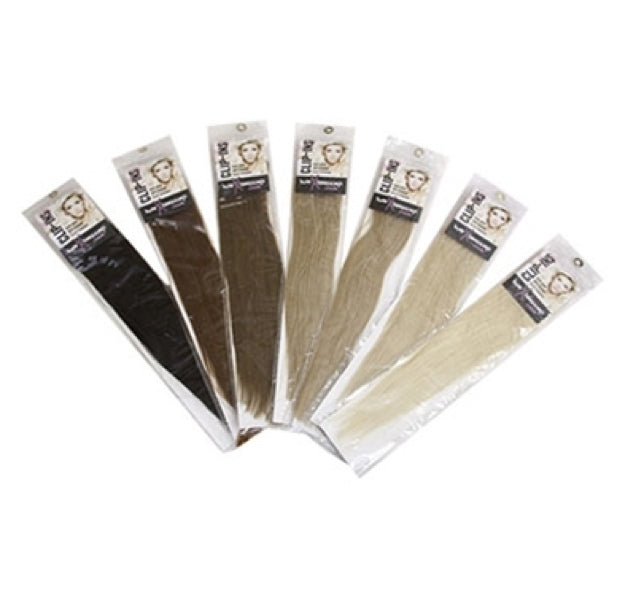
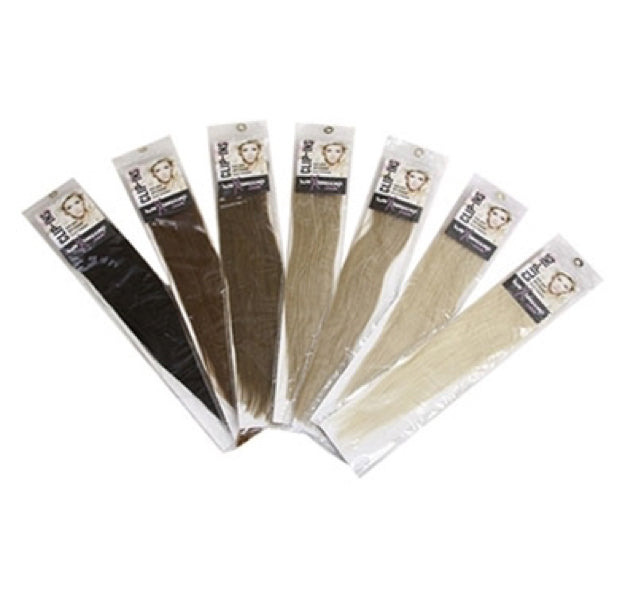
Colour rings: Shade matching before fitting
Why Hair Extension Tools Matter
Hair extension tools are designed to support specific stages of fitting and removal. A tool may be used to hold a ring, soften a bond, separate sections, remove adhesive residue or refine the finished haircut.
Using the correct tool does not replace professional technique. Section size, strand weight, placement, tension and client suitability still need to be assessed properly.
The best tool is the one that is compatible with the extension system being used and allows the technician to carry out the required task accurately.
Sectioning Tools
Clean sectioning is one of the foundations of professional extension fitting.
Sectioning clips, tail combs and separators can help create controlled working areas while keeping surrounding hair out of the way.
The size of each section should be chosen according to the method, natural hair density and attachment being fitted rather than simply making every section the same size.
Loop and Threading Tools
Loop tools are commonly used with ring-based extension systems to help pass a section of natural hair through a Micro Ring or Nano Ring.
They can be useful with methods such as Stick-Tips, Nano-Tips and other compatible ring-based applications.
The loop should be used carefully so the section of natural hair remains controlled and the attachment can be positioned correctly.
Micro Ring and Nano Ring Pliers
Professional extension pliers are used to close and reopen compatible rings during fitting, maintenance and removal.
Different jaw shapes are available, including smooth and grooved designs, depending on the ring and fitting technique being used.
The aim is to secure the ring correctly without over-compressing it. Excessive pressure or poor positioning can affect how the attachment sits, so ring application should always be controlled.
Tape-In Application Tools
Tape-In extensions use adhesive tabs rather than individual rings or fusion bonds.
Specialist Tape-In application pliers can help apply even pressure across compatible tape tabs once the section has been positioned correctly.
Preparation remains important. The natural hair needs to be sectioned appropriately, and the tapes must be positioned according to the client's hair density, scalp and fitting plan.
Tape-In Removal Tools
Tape-In maintenance and removal may involve specialist removal solution together with tools designed to help separate adhesive tabs and remove residue.
A tape scraper or similar removal tool can help with controlled cleaning once the adhesive has been loosened appropriately.
Extensions should not simply be pulled apart or dragged from the hair. Removal should follow the correct process for the adhesive system being used.
Removal Tip
Never force an attachment that is not releasing properly. Whether you are working with tapes, bonds or rings, use the correct removal method and tool for that system.
Fusion Heat Connectors
Fusion heat connectors are used with compatible Nail-Tip or U-Tip extensions to soften the keratin-based bond during professional application.
Once softened, the bond is shaped around a suitable section of natural hair and allowed to cool.
Temperature control, section size, bond size and placement all matter during this type of application, so the tool should only be used by someone trained in the method.
Bond Removal Tools
Pre-bonded extension removal requires the correct bond-removal process.
Depending on the system, a suitable removal solution may be applied before professional removal pliers are used to break down or release the bond.
The extension should then be removed carefully rather than pulled from the natural hair.
Keratin Grain and Rebonding Supplies
Some professional extension work also involves rebonding supplies such as keratin grain or replacement bonding material.
These products may be used during preparation or refitting where the extension method allows it.
Compatibility matters, so rebonding materials should always be selected according to the extension system and professional technique being used.
Replacement Tape Tabs
Tape-In extensions that are suitable for refitting require fresh adhesive tabs before reapplication.
Old adhesive should be removed thoroughly, the attachment area prepared correctly and compatible replacement tabs applied before the extensions are fitted again.
Using suitable tape tabs and preparing the extension correctly are important parts of the refitting process.
Hairdressing Scissors
Once extensions have been fitted, cutting and blending can help connect the client's natural hair with the added length.
Professional cutting scissors are used for shaping, trimming and refining the overall style, while thinning scissors can be used selectively to remove bulk and soften heavier transitions.
Scissors should be used with a clear plan, especially around fitted attachment areas.
Colour Rings
A hair extension colour ring provides physical swatches that can be compared directly with the client's natural hair before ordering or fitting.
This is useful because colour can look different on phones and computer screens depending on brightness and display settings.
When colour matching, compare the swatch against the mid-lengths and ends as well as the root area, particularly if the hair contains highlights, balayage or multiple tones.
Micro Rings, Nano Rings and Other Fitting Accessories
Replacement rings are another important part of a professional tool kit when working with ring-based systems.
Ring size, colour and lining should be chosen according to the extension method and the client's natural hair.
For example, standard Micro Rings and smaller Nano Rings are designed for different attachment systems and should not be treated as interchangeable.
Tools for Weft Extensions
Weft fittings may require sectioning tools, rings, pliers, needles, thread or other accessories depending on the specific method being used.
LA Weave, Micro Ring Weave and other professional weft techniques have different fitting requirements, so technicians should use tools appropriate to their chosen system.
Row placement, natural hair density and tension remain important regardless of which weft technique is selected.
Hair Extension Tool Kits
For technicians who work with several extension methods, a professional tool kit can provide a convenient starting point.
A kit may include items such as pliers, sectioning tools, loops, clips and other fitting accessories, but always check exactly what is included and whether the tools are compatible with the extension methods you use.
A large kit is not automatically better than a smaller one. The most useful setup is one that contains the correct tools for your actual fitting and removal work.
Cleaning and Storing Hair Extension Tools
Professional tools should be cleaned and stored appropriately between uses.
Remove loose hair and product residue after each fitting, follow the manufacturer's cleaning guidance and keep tools dry before storage.
Scissors and other precision tools should be protected from knocks and drops, while pliers should be checked regularly to make sure the jaws are aligned and operating correctly.
Which Tools Do You Need for Each Hair Extension Method?
| Extension Method | Common Tools |
|---|---|
| Nail-Tip / U-Tip | Fusion connector, sectioning tools, bond removal pliers |
| Stick-Tip / I-Tip | Loop tool, compatible rings, extension pliers |
| Nano-Tip | Nano loop tool, Nano Rings, Nano pliers |
| Tape-In | Sectioning tools, Tape-In pliers, removal solution, scraper, replacement tabs |
| Wefts | Depends on fitting method; may include rings, pliers, needle, thread and sectioning tools |
Build Your Tool Kit Around the Methods You Use
The best professional hair extension tool kit is not simply the one with the most items. It should contain tools that match the fitting, maintenance and removal methods you actually carry out.
Choose compatible equipment, keep it clean and well maintained, and combine the right tools with proper training and careful technique.
You can browse our HairX Pro Hair Extension Tools for application, removal, cutting and maintenance equipment.
If you're comparing extension techniques before deciding which tools you need, visit our Hair Extension Methods Guide.