


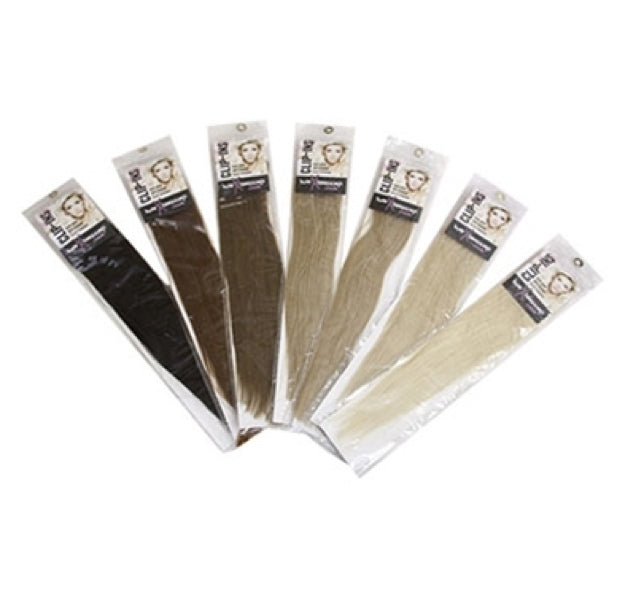
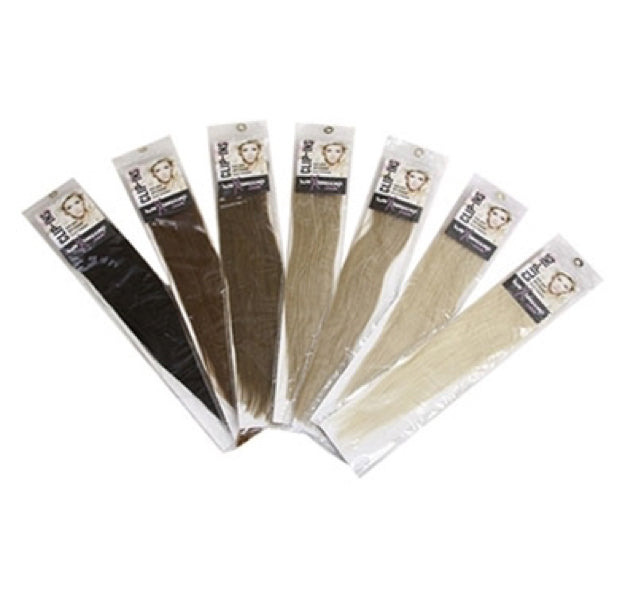

Choosing the right hair extension shade is one of the most important parts of creating a natural-looking result. A colour that looks close on a phone or computer screen can appear different when compared directly with the client's hair, which is why a physical hair extension colour ring can be such a useful reference.
The HairX Remy Human Hair Colour Ring contains 37 physical swatches, allowing stylists and customers to compare a wide range of shades before choosing their extensions.
Colour matching tip: Compare extension shades against the mid-lengths and ends rather than only the roots. These are usually the areas that will sit directly alongside the extension hair.
What Is a Hair Extension Colour Ring?
A hair extension colour ring is a collection of physical hair swatches designed to help compare extension shades before ordering or fitting.
Each swatch represents a colour from the extension range, allowing the hair to be viewed and compared in real-world lighting rather than relying entirely on digital images.
The HairX colour ring includes 37 shades, covering a broad selection of brunette, blonde, red, copper and fashion colours.
Why Use a Physical Colour Ring?
Colours displayed on phones, tablets and computer screens can vary because of brightness settings, colour calibration and lighting conditions.
A physical swatch allows you to place the extension shade directly next to the natural hair and assess the colour more closely.
This does not mean a colour ring guarantees an identical match, as slight variation can occur between hair batches, but it provides a useful physical reference when narrowing down the most suitable shade.
How to Use a Hair Extension Colour Ring
- Use good lighting. Natural daylight is useful where possible, as very warm or coloured indoor lighting can alter how shades appear.
- Compare the mid-lengths and ends. These areas usually need to blend most closely with the extension hair.
- Check more than one shade. If two colours look similar, compare them side by side before deciding.
- Move the swatch through the hair. Check how the colour looks against different areas rather than holding it in one position.
- Consider tonal variation. Natural and coloured hair may contain several shades rather than one completely uniform colour.
Why You Shouldn't Match the Roots Alone
The roots can be very different from the mid-lengths and ends, particularly on highlighted, balayage, ombré or previously coloured hair.
If an extension shade is chosen only because it matches the roots, the lengths may look noticeably different once the hair is fitted.
For most extension applications, the colour running through the mid-lengths and ends is more important because that is where the extension hair will blend into the natural hair.
Matching Highlighted Hair
If the natural hair contains several tones, one extension shade may not be enough. Using two or more carefully selected colours can help recreate highlights, lowlights and natural variation through the finished style.
Can You Mix Hair Extension Shades?
Yes. Multi-tonal colour matching can be particularly useful for clients whose natural hair contains highlights, balayage or several different tones.
Rather than trying to find one shade that matches everything, a stylist may use a combination of colours to recreate the variation already present in the natural hair.
The quantity and placement of each shade should be planned according to the individual client's colour and desired result.
Using a Colour Ring During Consultations
A professional colour ring can be particularly useful during a hair extension consultation.
It gives the technician and client a physical reference while discussing possible shades and makes it easier to compare nearby colours before deciding what to order.
It can also help when discussing whether a single shade or a multi-colour blend may be more appropriate.
What About Ombré Hair Extensions?
Standard colour rings are designed primarily for individual shades. If you are matching two-tone ombré extensions, a dedicated ombré colour ring can be more useful because it shows both colours together on the same swatch.
This allows the darker upper shade and lighter lower section to be assessed as one complete blend.
You can also read our Ombré Hair Extension Colour Ring Guide for more information.
Colour Matching Different Extension Methods
The same basic colour-matching principles apply whether you are choosing Nail-Tips, Stick-Tips, Nano-Tips, Tape-Ins, wefts or removable extensions.
The main aim is to choose a shade or combination of shades that works with the areas of natural hair surrounding the extension.
The fitting method may change, but accurate colour selection remains an important part of the finished result.
Don't Rely on Shade Numbers Alone
Shade numbers are useful for identifying colours within a particular extension range, but the number itself should not replace a visual comparison.
A colour labelled #4, #8 or #60 may look slightly different between brands, product types or production batches.
For that reason, use the HairX colour ring as a reference for HairXtensions shades rather than assuming the same number will look identical across every hair extension brand.
How to Store Your Colour Ring
Keep colour swatches clean, dry and away from unnecessary heat or direct sunlight when they are not being used.
A colour ring that becomes dirty, heavily tangled or discoloured will be less useful as a matching reference.
Handle the swatches carefully and keep them organised so individual colours remain easy to identify during consultations.
A Useful Tool for More Informed Colour Matching
A professional hair extension colour ring cannot guarantee a perfect colour match on its own, but it provides a much better physical reference than relying entirely on screen images.
By checking the mid-lengths and ends, comparing several shades and considering multi-tonal combinations where necessary, you can make a more informed choice before ordering extensions.
You can browse our Hair Extension Colour Rings or view our Hair Extension Colour Chart to explore the HairXtensions shade range.