



Clip-In Fringe Hair Extensions: Complete Guide to Bangs Without Cutting Your Hair
A fringe can completely change the way a hairstyle looks, but cutting one into your natural hair is a much bigger commitment than many people realise.
Clip-In Fringe Hair Extensions offer a removable alternative, allowing you to experiment with bangs, soften the front of your hairstyle or create a completely different look without permanently cutting your natural hair.
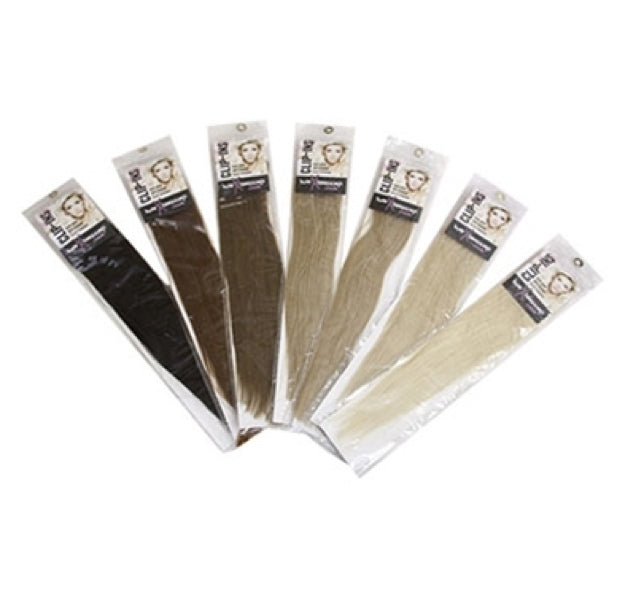
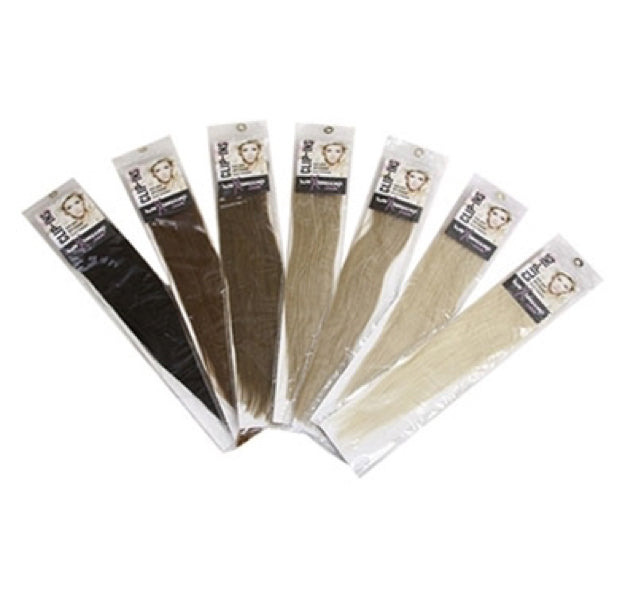
HairXtensions Clip-In Fringes are made from human hair and are designed to attach using built-in clips, making them suitable for temporary wear, styling experiments and special occasions.
This guide explains how fringe hair extensions work, how to fit and blend them, how to choose the right colour, how to style them and how to look after them between wears.
✔ Removable fringe or bangs without cutting natural hair
✔ Approximately 30g of human hair
✔ Three built-in clips
✔ Can be styled to suit different looks
✔ Useful for temporary style changes
✔ Remove before sleeping, showering or swimming
What Is a Clip-In Fringe?
A Clip-In Fringe is a removable hairpiece designed to create the appearance of bangs or a fringe at the front of the hairstyle.
Unlike a permanent haircut, it can be fitted when you want the look and removed when you do not.
This makes it a useful option for anyone who wants to experiment with a fringe before committing to cutting their natural hair.
How Do Fringe Hair Extensions Attach?
HairXtensions Clip-In Fringes use three built-in clips.
The clips are positioned into the natural hair, secured in place and then covered by the surrounding hair to help create a blended finish.
Because the fringe is removable, no permanent bond, adhesive or ring attachment is required.
How Much Hair Is in a Clip-In Fringe?
Each HairXtensions Clip-In Fringe contains approximately 30g of human hair.
The amount is designed to provide enough density to create a visible fringe section while still allowing the piece to be positioned and blended around the front of the head.
Why Are Clip-In Fringes Popular?
Clip-In Fringes have become popular because they offer a quick way to change the front of a hairstyle without committing to a permanent cut.
They can be useful for:
- Trying bangs before cutting your hair
- Changing your look for a special occasion
- Creating a softer front section
- Adding extra hair around the fringe area
- Experimenting with different styling ideas
- Photoshoots and events
Can a Clip-In Fringe Replace Cutting Bangs?
It can provide a similar visual effect without actually cutting the natural hair.
This can be useful if you are unsure whether you will like having a fringe long term.
You can try the style temporarily and remove the hairpiece afterwards.
What Are the Main Benefits of a Clip-In Fringe?
The main advantage is flexibility.
A Clip-In Fringe allows you to:
- Change your hairstyle quickly
- Remove the fringe whenever you want
- Avoid a permanent haircut
- Restyle the fringe for different looks
- Use it only for certain occasions
Is a Clip-In Fringe Permanent?
No.
Clip-In Fringes are designed for temporary wear.
They can be fitted and removed as required, making them very different from permanently fitted hair extension methods.
Can You Wear a Clip-In Fringe Every Day?
You can wear a Clip-In Fringe regularly, but it should be fitted and removed carefully.
Avoid repeatedly clipping into exactly the same small section of fragile hair if it creates pulling or discomfort.
If the clips feel too tight, reposition the piece rather than forcing it into place.
How to Fit a Clip-In Fringe
A typical fitting process may involve:
- Brush the natural hair and fringe gently.
- Decide where you want the fringe to sit.
- Create a small section where the clips will attach.
- Open the built-in clips.
- Position the fringe carefully.
- Secure the clips into the natural hair.
- Arrange the surrounding hair to help conceal the attachment area.
- Style the fringe and natural hair together.
The fringe should feel secure without creating unnecessary pulling.
Where Should a Clip-In Fringe Sit?
The exact position depends on the style you want.
Placing it slightly further forward may create a shorter or fuller-looking fringe, while positioning it slightly further back may create a softer or longer effect.
Take time to experiment before deciding on the final position.
Move the fringe a few millimetres at a time until the length and density look right. Small placement changes can make a surprisingly big difference.
How to Blend a Clip-In Fringe
Good blending helps the fringe look like part of the overall hairstyle rather than a separate hairpiece.
Useful techniques can include:
- Choosing the closest colour match
- Positioning the fringe correctly
- Using surrounding natural hair to conceal the clips
- Styling the fringe and natural hair together
- Professionally shaping the fringe where appropriate
Can You Cut a Clip-In Fringe?
Human hair fringes can generally be professionally trimmed or shaped to create the desired style.
However, cutting should be done cautiously.
Once the hair has been cut shorter, the length cannot be restored.
If you are unsure, have the fringe shaped by a professional hairdresser.
Can You Turn a Clip-In Fringe into Curtain Bangs?
Potentially, yes.
Depending on the construction and length of the fringe, it may be possible to style or professionally shape it into a softer curtain-bang effect.
Avoid cutting large amounts away until you are certain about the style you want.
Can You Create a Full Fringe with Clip-Ins?
Yes.
A Clip-In Fringe can be positioned and styled to create a fuller front section.
The final appearance depends on placement, density, natural hair and how the fringe has been shaped.
Can You Create Side-Swept Bangs?
Yes.
The fringe can often be styled slightly to one side for a softer side-swept effect.
A small amount of heat styling may help direct the hair where required.
How to Choose the Right Fringe Colour
Colour matching is one of the most important parts of creating a natural-looking result.
Compare the fringe against:
- Your natural roots
- The hair around your face
- Your mid-length colour
- Any highlights around the front
Because the fringe sits directly at the front of the hairstyle, colour differences may be more noticeable than they are with extensions hidden through the back.
Should a Fringe Match the Roots or Ends?
Usually, the hair around the front and root area is more important than the ends.
However, the overall colour still needs to work with the full hairstyle.
If your natural hair is multi-tonal, choose the shade that blends most naturally around the face.
Can You Mix Fringe Extension Colours?
In some cases, a single fringe shade may not perfectly match highly highlighted or multi-tonal hair.
For very complex colours, professional colour matching may be helpful before purchase.
How to Check a Fringe Colour Match
Natural daylight is usually the best place to compare shades.
Indoor lighting can make brunette, blonde and red tones appear warmer or cooler than they really are.
👉 View the HairXtensions Hair Extension Colour Chart
Can You Style a Human Hair Clip-In Fringe?
Yes.
Human hair fringe extensions can generally be styled using suitable tools and products.
Depending on the look, you may be able to:
- Straighten the fringe
- Curve the ends under
- Create a softer swept look
- Add gentle movement
Use heat protection and avoid excessive temperatures.
Can You Straighten a Clip-In Fringe?
Yes.
A straightener can be useful for creating a sleek fringe or adjusting the direction of the hair.
Use controlled heat rather than repeatedly passing very hot tools over the same section.
Can You Curl a Clip-In Fringe?
Yes, although only a small amount of bend is often needed.
Using a rounded tool or controlled styling technique can help create a softer curved fringe rather than a completely flat finish.
Should You Style the Fringe Before or After Fitting?
Either can work.
Some people find it easier to make basic adjustments before fitting, then complete the final styling once the fringe is in place.
Always secure the hairpiece safely if using heated tools while it is not being worn.
Can You Use Hairspray on a Clip-In Fringe?
Yes, but use styling products sparingly.
Heavy product build-up can make the hair feel stiff or greasy and may mean the fringe needs washing more frequently.
Can You Use Dry Shampoo on a Clip-In Fringe?
A small amount may be useful for reducing excess shine or refreshing the appearance between washes.
Avoid applying excessive product near the clips.
Do Clip-In Fringes Suit Every Face Shape?
Different fringe styles can change the visual proportions of a hairstyle, but there is no single fringe shape that suits everyone.
The best style depends on:
- Personal preference
- Natural hairstyle
- Fringe length
- Density
- How the fringe is shaped
A removable fringe makes it easier to experiment before committing to a permanent haircut.
Can a Fringe Make a Hairstyle Look Softer?
Yes.
Adding hair around the forehead can change the overall visual balance of a hairstyle and create a softer front section.
The exact effect depends on the fringe shape and styling.
Can Clip-In Fringes Be Used for Special Occasions?
Yes.
They can be useful for:
- Weddings
- Parties
- Birthdays
- Photoshoots
- Fancy dress
- Cosplay
- Events
Because they are removable, you can create a different look without changing your usual haircut permanently.
Can You Wear a Clip-In Fringe with Hair Extensions?
Yes.
A removable fringe can be worn alongside other extension methods provided all attachment areas are positioned appropriately.
For example, someone wearing Nano-Tips, Tape-Ins or a hair weft may also choose to add a Clip-In Fringe at the front.
Can You Wear a Fringe with Clip-In Hair Extensions?
Yes.
A Clip-In Fringe can be combined with a full Clip-In set to create both a front-of-hair change and extra length through the back.
Colour matching between the fringe, extension set and natural hair is particularly important.
Are Clip-In Fringes Suitable for Fine Hair?
They may be suitable for some people with finer hair, but the clips still need enough natural hair to grip securely without causing excessive pulling.
Very fine or fragile areas should be treated cautiously.
Are Clip-In Fringes Suitable for Thick Hair?
Yes.
With thicker natural hair, enough surrounding hair needs to be arranged around the fringe to help create a balanced blend.
Can a Clip-In Fringe Help Cover a High Forehead?
A fringe can visually cover more of the forehead area, but the exact effect depends on the length, density and placement of the hairpiece.
The goal should be to choose a style you like rather than relying on one fringe shape to create a specific facial effect.
Can a Clip-In Fringe Hide Hairline Areas?
It may visually cover some areas around the front of the hairstyle depending on placement.
However, it should not be treated as a solution for medical hair loss or scalp conditions.
If there is active thinning or scalp concern, seek appropriate professional advice.
Should You Sleep in a Clip-In Fringe?
No.
Remove the fringe before sleeping.
Sleeping in it can increase tangling and place unnecessary pressure on the clips and natural hair.
Can You Shower in a Clip-In Fringe?
No.
Remove the fringe before showering.
It is easier to wash your natural hair and the fringe separately.
Can You Swim in a Clip-In Fringe?
It is best to remove it before swimming.
Chlorine, salt water and repeated soaking can contribute to dryness, tangling and colour changes.
Can You Exercise in a Clip-In Fringe?
For light activity it may be possible, but removing it before strenuous exercise can reduce unnecessary sweat, movement and pulling around the clips.
How Often Should You Wash a Clip-In Fringe?
A removable fringe generally does not need washing as frequently as natural hair because it is not permanently attached to the scalp.
Wash it when it genuinely needs cleaning, such as when it has:
- Product build-up
- Lost its fresh feel
- Been worn repeatedly
- Been exposed to smoke or strong odours
How to Wash a Clip-In Fringe
Before washing, gently detangle the fringe.
Then:
- Use lukewarm water.
- Apply a suitable shampoo gently.
- Avoid aggressive rubbing.
- Rinse thoroughly.
- Apply conditioner through the hair.
- Rinse again.
- Gently remove excess water.
- Allow the fringe to dry fully before storage.
How to Brush a Clip-In Fringe
Support the top of the hairpiece while gently brushing through the ends and lengths.
Avoid pulling hard on the clips or stitched areas.
👉 Read Our Hair Extension Brush & Comb Guide
Can You Use Conditioner on a Clip-In Fringe?
Yes.
A suitable conditioner can help keep human hair fringe extensions smooth and manageable.
Avoid excessive product build-up around the clip area.
Can You Use a Hair Mask on a Fringe Extension?
Yes, occasionally.
A conditioning mask can be useful if the hair feels dry, but do not overload the fringe with heavy products.
👉 Read Our Hair Extension Hair Mask Guide
Can You Use Hair Oil on a Clip-In Fringe?
A very small amount of lightweight serum or oil can be used on dry-looking ends if required.
Use sparingly because too much product can make a fringe look heavy or greasy very quickly.
How to Store a Clip-In Fringe
Store the fringe somewhere clean, dry and protected.
Before putting it away:
- Make sure it is completely dry
- Brush it gently
- Close the clips
- Keep the hair lying smoothly
- Avoid crushing or tangling it
Can You Store a Fringe in a Hair Extension Pouch?
Yes.
A clean storage pouch can help keep the fringe organised and protected between wears.
How Long Do Clip-In Fringes Last?
The lifespan depends on how frequently the fringe is worn and how it is cared for.
Factors include:
- Washing frequency
- Heat styling
- Brushing technique
- Product use
- Storage
- How often it is worn
Occasional wear generally creates less day-to-day wear than constant use.
Can You Colour a Clip-In Fringe?
Chemically colouring extension hair can give unpredictable results, particularly if attempting to lighten or bleach it.
Where possible, choose the closest available colour before wearing or altering the fringe.
Can You Bleach a Clip-In Fringe?
Bleaching extension hair is not recommended as a casual colour-matching solution.
Lightening previously processed extension hair can compromise its condition and give unpredictable results.
Choosing the correct shade from the beginning is safer.
Can You Wear a Clip-In Fringe with a Ponytail?
Yes.
A fringe can work well with ponytails, buns and updos because it changes the front of the hairstyle while the rest of the hair is secured back.
Can You Wear a Clip-In Fringe with Curly Hair?
Potentially, yes.
The fringe may need styling so its texture works with the rest of the hairstyle.
Human hair gives more styling flexibility than a fixed synthetic texture.
Can You Wear a Clip-In Fringe with Straight Hair?
Yes.
A straight style can create a clean, defined fringe look and make the overall shape especially noticeable.
What If the Fringe Looks Too Thick?
Try repositioning it slightly before cutting anything.
A small change in placement can alter how much hair appears at the front.
If it still feels too dense, professional shaping may help.
What If the Fringe Looks Too Long?
Try positioning the hairpiece slightly further back first.
If it is still too long, a professional hairdresser can carefully trim it to the required length.
What If the Fringe Clips Are Visible?
Check that:
- The fringe is positioned correctly
- There is enough natural hair around the attachment area
- The surrounding hair has been arranged over the clips
- The fringe is not sitting too close to an exposed parting
What If the Fringe Feels Uncomfortable?
Remove it and reposition it.
A Clip-In Fringe should not be worn if the clips are causing significant pulling or discomfort.
Removable does not mean the clips should be forced into place. If the fringe feels painful or excessively tight, remove it and adjust the position.
Clip-In Fringe vs Cutting a Real Fringe
Both can create a similar visual change, but they involve very different levels of commitment.
Clip-In Fringe:
- Removable
- No permanent haircut
- Can be worn only when wanted
- Can be restyled separately
Natural Cut Fringe:
- Permanent until it grows out
- Needs regular trimming
- Becomes part of the everyday hairstyle
Is a Clip-In Fringe Good for Trying Bangs?
Yes.
This is one of the biggest advantages of a removable fringe.
You can see how you feel wearing hair across the forehead before making a permanent haircut decision.
Are Clip-In Fringes Worth It?
They can be a practical option for someone who enjoys changing their hairstyle or wants to experiment with bangs without cutting their natural hair.
Whether one is right for you depends on your hair colour, density, preferred style and how often you expect to wear it.
Who Might Like Clip-In Fringe Extensions?
A Clip-In Fringe may appeal to someone who wants:
- A temporary fringe
- A different look for special occasions
- To test bangs before cutting their hair
- A removable front-of-hair transformation
- A human hair fringe that can be styled
Shop Clip-In Fringe Hair Extensions
HairXtensions Clip-In Fringes are made from human hair and use three built-in clips for temporary application.
✂️ Shop Clip-In Fringe Hair Extensions
Need Help Choosing a Fringe Colour?
If you are unsure which shade will work best with your natural hair, compare the HairXtensions colour range before wearing or altering your fringe.
👉 View the HairXtensions Colour Chart
Hair Extension Aftercare
Although Clip-In Fringes are removable, correct brushing, washing, heat styling and storage all help keep the human hair looking its best.