

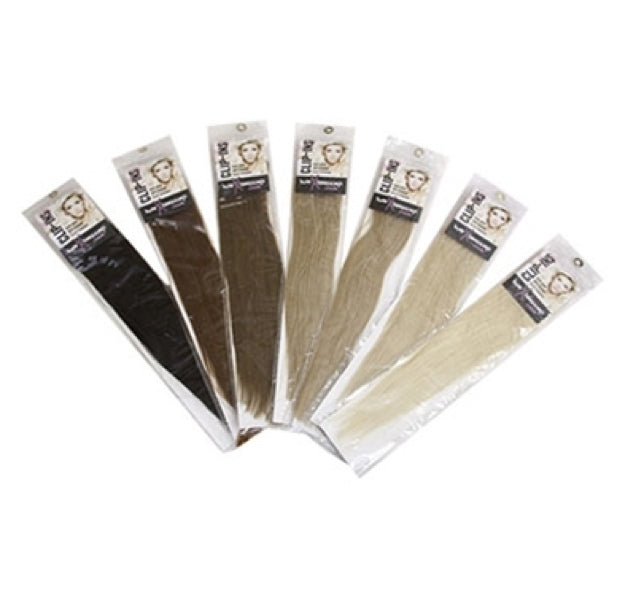
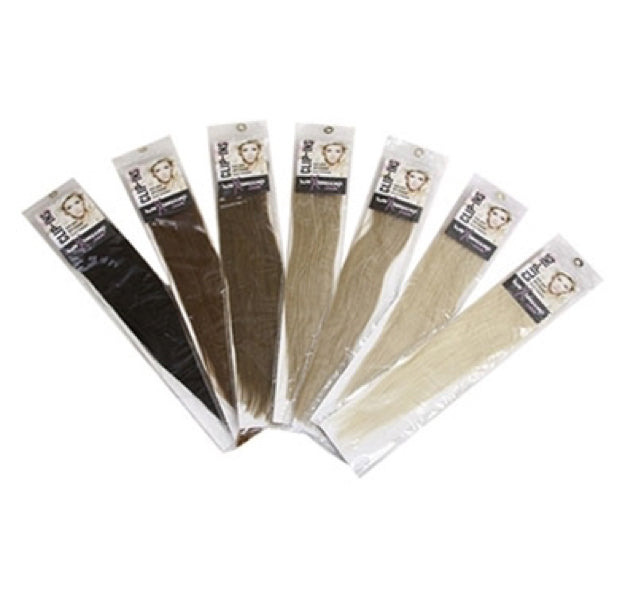
Retipping or rebonding hair extensions means replacing an old or removed attachment with fresh keratin so that suitable extension hair can be prepared for another professional fitting.
However, not every set of old extensions should automatically be retipped. The condition of the human hair lengths needs to be assessed first.
Fresh keratin can create a new attachment, but it cannot reverse dryness, severe tangling, chemical damage, excessive heat damage or general wear through the extension hair itself.
HairXtensions hair is designed for an approximate lifespan of 2–3 months with correct care. Some extension hair may remain suitable for professional reuse after removal, while other hair may be better replaced.
This guide explains when retipping may be worthwhile, how old extension hair should be assessed and prepared, the difference between Keratin Rebonds and Keratin Grain and the basic professional retipping process.
Quick answer: Only retip extension hair that is still in good enough condition to reuse. Remove the old attachment cleanly, prepare and organise the extension hair, keep the new bonding area free from oils and product residue, apply fresh keratin using suitable professional tools and inspect every finished tip before the extension is refitted.
What Does Retipping Hair Extensions Mean?
Retipping is the process of creating a new attachment at the top of previously worn extension hair after the original bond, tip or attachment has been removed.
You may also hear the process described as:
- Rebonding hair extensions
- Retipping pre-bonded extensions
- Rebonding old extension hair
- Creating new Nail-Tip bonds
- Creating new Stick-Tip style attachments
The precise finished tip depends on the professional application method being used.
Retipping replaces the attachment — not the hair. Before spending time rebonding a full set, make sure the extension lengths themselves are still worth reusing.
Can Old Hair Extensions Be Reused?
Sometimes, yes.
If professionally removed extension hair remains in good condition, it may be possible for a trained extensionist to prepare and retip it for another fitting.
The decision should be based on the condition of the actual human hair, not simply on whether a fresh bond can physically be attached.
Check whether the ends still have enough density and remain manageable.
Very dry, rough or brittle-feeling extensions may not be worth preparing for another fitting.
Extension hair that has become severely tangled or repeatedly mats may be unsuitable for reuse.
Look for excessive short broken hairs and significant loss of density.
Hair that has been bleached, lightened, toned or chemically altered may have a reduced usable condition.
Repeated excessive heat can leave the extension lengths dry and difficult to manage.
Should You Retip the Extensions or Replace Them?
Retipping May Be Worthwhile When
- The extension hair still feels soft and manageable
- The ends retain suitable density
- The hair is not severely tangled
- There is no major heat damage
- The hair has not been heavily chemically processed
- The colour still suits the client
- The extensionist considers the hair suitable for reuse
Replacement May Be Better When
- The lengths have become very dry or brittle
- The ends are thin and heavily worn
- The hair repeatedly tangles or mats
- There is significant breakage
- The hair has been damaged by bleach or chemicals
- There is severe heat damage
- The overall condition no longer justifies another fitting
A new bond does not reset the lifespan of the extension hair. Retipping may extend the usable life of suitable hair, but it does not turn worn extension lengths back into brand-new hair.
Keratin Rebonds vs Keratin Grain: What's the Difference?
HairXtensions supplies two main types of professional keratin product that can be used when creating new extension tips.
Keratin Rebonds
Pre-shaped pieces of keratin that can be softened with suitable heat fusion equipment and used to create a fresh attachment on suitable extension hair.
They can be convenient when a consistent pre-measured piece of bonding material is preferred.
Keratin Grain
Small keratin granules used professionally for rebonding or creating pre-tipped extension hair.
Grain allows the trained user to control the amount of bonding material required for the particular tip being created.
Neither option should be judged by an arbitrary rule such as “one piece of keratin must make two bonds”. Use the amount appropriate for the extension strand, finished tip and fitting system.
What Tools Are Used to Retip Hair Extensions?
Exact equipment can vary depending on the professional rebonding technique, but typical tools may include:
- Suitable Keratin Rebonds or Keratin Grain
- Professional heat fusion connector or appropriate heating equipment
- Heat-resistant work surface or heat mat
- Professional retipping or bond-shaping tools
- Suitable hair extension scissors
- Finger protectors where appropriate
- Sectioning and organisation tools
- The ring or fitting component needed to check final tip size, if relevant
Retipping Uses Heated Professional Tools
Keratin bonding equipment and melted bonding material can become hot enough to cause burns or damage nearby surfaces.
Retipping should therefore be carried out by somebody trained and confident in professional hair extension bonding rather than asking an untrained friend or family member to assist.
How Should Old Extensions Be Prepared Before Retipping?
Organisation and preparation are important before any fresh keratin is added.
Do
- Assess every extension before reuse
- Remove old rings or attachment components
- Remove deteriorated old bond material appropriately
- Keep strands organised by colour and length
- Detangle extension lengths gently
- Make sure the hair is completely dry
- Keep the area being rebonded clean and free from oily residue
Avoid
- Reusing badly damaged hair simply to save money
- Leaving old crumbling bond material inside the new tip
- Coating the rebonding area in oil or serum
- Mixing different lengths and colours accidentally
- Using excessive heat unnecessarily
- Creating oversized attachment tips
- Refitting strands before checking every new bond
How Much of the Old Bond Should Be Removed?
The aim is to create a clean, controlled area of extension hair for the new tip rather than simply covering a deteriorated attachment with more keratin.
How the old attachment is removed will depend on the original extension type and the professional retipping technique.
There is no need to explain old bond deterioration by saying that cutting the bond “breaks a waterproof seal” and allows water inside it. The more useful concern is whether the remaining attachment is structurally suitable for reuse and whether a clean new bond can be created.
Professional Hair Extension Retipping Process
The precise technique can vary depending on the keratin system and finished tip required, but the overall workflow should remain controlled and consistent.
Assess the Extension Hair
Reject strands that are too damaged, thin, tangled or worn to justify another professional fitting.
Organise the Extensions
Keep the hair separated by shade, length and intended fitting area so the finished set remains organised.
Remove the Old Attachment
Professionally remove or trim away unsuitable old attachment material while preserving as much usable extension length as practical.
Prepare the New Bonding Area
Make sure the top of the extension strand is neat, dry and free from oily or conditioning residue.
Prepare the Keratin
Use suitable Keratin Rebonds or Keratin Grain with professional heating equipment according to the instructions for the products and tools being used.
Distribute the Keratin Evenly
Work the softened bonding material through the top of the extension strand so the loose hairs are captured within the new attachment.
Form the Required Tip
Shape the softened keratin into the appropriate professional attachment for the intended fitting method.
Allow the Bond to Cool
Let the newly created tip cool and set before repeatedly handling, measuring or storing the strand.
Inspect the Finished Attachment
Check that the new tip is secure, neat, appropriately sized and free from obvious loose extension hairs.
Repeat Consistently
Work systematically through the remaining suitable extension strands rather than rushing to complete the set.
What Temperature Should You Use for Retipping Hair Extensions?
We would not recommend publishing one universal heat setting for every keratin product and every retipping tool.
Different professional heating tools and bonding materials may have different operating requirements.
Use the instructions provided for the specific:
- Heat fusion connector or melting equipment
- Keratin Rebonds
- Keratin Grain
- Retipping system
Excessive heat is not a shortcut to a better bond. Use the professional setting appropriate for the products and equipment being used.
How Big Should the New Extension Tip Be?
The new tip should contain enough bonding material to hold the extension hair securely without becoming unnecessarily bulky.
If the strand is intended for a ring-based method such as a Stick-Tip style fitting, the finished tip also needs to be compatible with the ring being used.
More keratin is not automatically stronger. Consistency, correct distribution and suitability for the finished fitting method matter more than simply making the largest bond possible.
Check Every Retipped Extension Before Refitting
Once the new attachments have cooled, carry out a simple quality check on every strand.
The extension hairs should be held firmly within the new bond.
Avoid a set containing a mixture of extremely large and very small bonds.
The tip needs to work with the intended professional fitting system.
Check for obvious loose extension hairs that were not captured by the bond.
Do not store or refit hot, soft or deformable attachments.
A perfect new tip is pointless if the extension lengths themselves are no longer in suitable condition.
Can Poor Retipping Cause Extension Hair to Shed?
If the new bonding material does not properly capture the extension hairs, individual hairs can begin releasing from the newly created tip.
Potential issues include:
- Too little suitable bonding material
- Uneven keratin distribution
- Loose hairs outside the new attachment
- An inconsistent or poorly formed tip
- Oil or product contamination around the bonding area
- Incorrect use of professional retipping equipment
Does Retipping Restore Old Hair Extensions?
Retipping restores the attachment, not the condition of the human hair lengths.
If the extension hair is dry or slightly difficult to manage, suitable aftercare may improve softness and manageability.
However, a fresh keratin bond cannot repair extension hair that has become severely damaged through:
- Bleaching or chemical processing
- Repeated excessive heat
- Severe matting
- Significant breakage
- Extensive everyday wear
What Should Be Checked Before Retipped Extensions Are Reapplied?
Retipping the old hair is only one part of the process. The client's natural hair should also be reassessed before another fitting.
Before refitting, consider:
- The current condition of the client's natural hair
- Whether there has been breakage or thinning
- Whether the previous extension weight was appropriate
- Whether the fitting method is still suitable
- Whether the client's colour still matches
- The condition and consistency of the new extension tips
- Whether the client has followed appropriate maintenance and aftercare
Do not automatically reinstall extensions simply because they have been successfully retipped. Both the natural hair and the reused extension hair should still be suitable for the planned fitting.
Professional Retipping & Rebonding Products
HairXtensions supplies professional keratin and application tools for creating or replacing hair extension attachments.
Related Hair Extension Guides
Retipping Hair Extensions – FAQs
What does retipping hair extensions mean?
Retipping means replacing an old or removed extension attachment with fresh bonding material so suitable extension hair can potentially be professionally fitted again.
Can old hair extensions be reused?
Some professionally removed human hair extensions may be suitable for reuse if the extension lengths remain in good enough condition. Dry, severely tangled, chemically damaged or heavily worn hair may be better replaced.
Does retipping make old extensions new again?
No. Retipping replaces the attachment only. It does not restore damaged, dry, broken or heavily worn extension lengths to their original condition.
What is the difference between rebonds and keratin grain?
Keratin Rebonds are pre-shaped pieces of bonding material, while Keratin Grain consists of smaller granules that can be used professionally to create new extension tips.
Can Nail-Tip extensions be retipped?
Suitable old pre-bonded extension hair can potentially be prepared and professionally rebonded with fresh keratin if the hair remains in suitable condition for reuse.
Can you make Stick-Tips when retipping hair?
A trained professional can form a suitable narrow keratin tip for an appropriate ring-based fitting method, provided the finished attachment is compatible with the chosen ring and extension system.
How much keratin should be used?
There is no universal rule such as one rebond always making two extension tips. Use the appropriate amount for the strand, finished attachment and professional fitting system.
What temperature should you retip extensions at?
Follow the instructions for the specific professional heating equipment and keratin bonding material being used rather than assuming one temperature applies to every system.
Should the old bond be left inside the new one?
The goal should be a clean and controlled new attachment rather than simply covering deteriorated old bonding material with additional keratin.
Can retipped extensions shed?
Poorly formed tips may allow extension hairs to release. The new keratin should capture the extension hairs securely and each finished attachment should be inspected before refitting.
How many times can hair extensions be retipped?
There is no fixed number that applies to every set. The deciding factor should be the condition of the extension hair each time it is removed, rather than how many previous fittings it has had.
Can badly damaged extension hair simply be rebonded?
A fresh attachment may physically be possible, but retipping does not repair damaged extension lengths. Replacement may be the better option when the hair is severely worn.
Can I retip extensions myself at home?
Retipping involves heated professional bonding equipment and controlling the size, strength and shape of the finished attachment. We recommend professional retipping by somebody trained in the process.
Assess the Hair Before You Rebond It
Retipping can be a useful way to prepare suitable extension hair for another professional fitting, but a new keratin attachment cannot restore worn-out lengths. Check the condition of the hair first, remove the old attachment correctly, create a clean and secure new tip and inspect every strand before deciding to refit it.
Shop Keratin Rebonds Shop Keratin Grain Fitting & Removal Guides