



Nighttime Hair Extension Routine: How to Protect Extensions While You Sleep
A good nighttime hair extension routine can make a big difference to how your extensions look and feel the following morning.
While you sleep, your hair moves against your pillow, bedding and clothing. For long or fitted hair extensions, that repeated friction can contribute to tangling, matting and unnecessary pulling around the attachment areas.
The solution does not need to be complicated. A few simple habits before bed can help keep your extensions more manageable and make your morning routine much easier.
✔ Make sure fitted extensions are dry before bed
✔ Brush gently from the ends upwards
✔ Check the nape and attachment areas for tangles
✔ Secure long hair loosely before sleeping
✔ Avoid tight hairstyles that pull on attachments
✔ Remove Clip-In extensions before bed
✔ Gently detangle again in the morning
Why Is a Nighttime Routine Important for Hair Extensions?
Sleeping creates hours of repeated movement and friction.
Long extension hair can rub against bedding, shoulders and clothing, while loose strands may move around one another during the night.
Without regular care, this can contribute to:
- Tangling
- Matting
- Knots around the nape
- Dry-looking ends
- Unnecessary pulling on fitted attachments
What Should You Do Before Bed with Hair Extensions?
A simple bedtime routine should focus on four things:
- Make sure the hair is dry.
- Brush out any tangles gently.
- Check the attachment and nape areas.
- Secure longer hair loosely if required.
Should Hair Extensions Be Brushed Before Bed?
Yes.
Brushing before bed removes small tangles before they have several hours to tighten and combine with other loose strands.
Start at the ends and gradually work upwards.
How Should You Brush Hair Extensions at Night?
Divide long or thick hair into manageable sections and support the hair near the roots while brushing.
Work carefully around fitted attachment areas rather than dragging the brush through them.
✨ Read Our Complete Hair Extension Brushing Guide
Why Should You Start Brushing at the Ends?
Starting at the ends allows small knots to be removed gradually.
If you begin at the roots and pull down through tangled lengths, knots can collect together and become harder to remove.
Why Should You Support the Roots While Brushing?
Supporting fitted extension hair near the roots can reduce unnecessary pulling against the attachment areas.
This is especially important for individual-strand extensions and finer natural hair.
Why Is the Nape Important Before Bed?
The nape is one of the areas most likely to tangle because it experiences constant friction from:
- Clothing
- Pillowcases
- Neck movement
- Scarves and coats
- Long hair resting against the shoulders
Check the nape every evening so small tangles can be removed before they develop into larger mats.
The best time to deal with a small tangle is before bed. Leaving it overnight gives friction and movement more opportunity to make it worse.
Can You Sleep with Wet Hair Extensions?
It is best avoided, particularly with professionally fitted extensions.
Wet hair is more vulnerable to stretching and can tangle more easily when moved around during sleep.
Fitted roots and attachment areas should also be dried properly before going to bed.
What Happens If You Sleep with Wet Extensions?
Sleeping with wet extension hair can increase the likelihood of:
- Tangling
- Matting
- Knots around the nape
- Messy roots
- Difficult morning detangling
Do Hair Extensions Need to Be Completely Dry Before Bed?
For fitted extensions, the roots and attachment areas should be properly dried.
The lengths should also be dry before sleeping wherever possible.
Can You Air-Dry Hair Extensions Before Bed?
The lengths may partly air-dry, but do not go to bed while the roots or fitted attachment areas are still damp.
If necessary, use a hairdryer on an appropriate heat setting to finish drying the hair.
Should You Blow-Dry Hair Extensions Before Bed?
If the hair is still damp, yes.
Use controlled heat and make sure attachment areas are dry without repeatedly overheating them.
Should You Braid Hair Extensions Before Bed?
A loose braid can be useful for longer hair extensions.
It helps keep the lengths together and reduces the amount of loose movement during sleep.
Should the Braid Be Tight?
No.
The hairstyle should be loose enough to avoid unnecessary tension around the scalp and attachment areas.
Is One Braid or Two Braids Better?
Either can work.
One loose braid is simple and effective for many people, while two loose braids may feel more comfortable for very thick or long extension hair.
Can You Sleep with Hair Extensions in a Ponytail?
A low, loose ponytail can be suitable for some fitted extensions.
Avoid tight or high ponytails that pull strongly against the attachment areas while you sleep.
What Is the Best Hairstyle for Sleeping with Extensions?
For many people, a loose braid is one of the easiest options.
The important thing is that the hair is:
- Dry
- Detangled
- Not tightly pulled
- Kept reasonably controlled during sleep
Should You Sleep with Hair Extensions Loose?
You can, but very long extensions may move around more freely and become tangled.
Loosely securing longer hair can help reduce this movement.
What Hair Tie Should You Use?
Choose a soft hair tie that does not need to be pulled extremely tight.
The aim is simply to keep the hair together rather than create a tight hairstyle.
Can Silk or Satin Pillowcases Help Hair Extensions?
A smoother pillowcase can reduce friction compared with rougher fabrics.
This may help the hair move more freely against the pillow during sleep.
Do You Need a Silk Pillowcase?
No.
It can be a useful addition, but careful brushing, drying and securing the hair properly are more important than relying on one particular pillowcase material.
Can You Wear a Satin or Silk Bonnet with Extensions?
Some people find a bonnet useful for keeping long hair contained overnight.
If you use one, make sure it is comfortable and does not place pressure on fitted attachment areas.
Can You Sleep with Nano Tip Hair Extensions?
Yes.
Before bed:
- Make sure the attachment areas are dry
- Brush carefully around the Nano Rings
- Check the nape
- Secure long lengths loosely
How Should Nano Tips Be Protected Overnight?
Avoid tight hairstyles and do not pull directly against the individual attachments.
Regularly separating and brushing the hair around the root areas can also help prevent naturally shed hair from becoming tangled.
Can You Sleep with Stick-Tip Hair Extensions?
Yes.
Stick-Tip or I-Tip extensions are also individual-strand extensions, so the same principles apply:
- Keep the hair dry
- Brush gently
- Check the rings
- Avoid excessive tension
Can You Sleep with Nail-Tip or U-Tip Hair Extensions?
Yes.
Make sure the bonded areas are dry and free from tangles before bed.
Avoid pulling tightly against the bonds when securing the hair overnight.
Can You Sleep with Tape-In Hair Extensions?
Yes.
Tape-In extensions are designed to remain fitted while sleeping.
The hair should be dry, detangled and secured loosely if the lengths are particularly long.
Should You Tie Tape-In Extensions Up at Night?
A loose braid or low ponytail can help reduce movement through long Tape-In lengths.
Avoid styles that create strong tension against the adhesive panels.
Can You Sleep with Hair Weft Extensions?
Yes.
Brush the lengths carefully and pay attention to the hair immediately above and below the fitted rows.
Long weft hair can also benefit from being loosely braided overnight.
Why Should Weft Rows Be Checked Before Bed?
The natural hair around fitted rows can collect small tangles if it is not brushed carefully.
Regular checking can help prevent these from developing into larger mats.
Can You Sleep with Micro-Loop Extensions?
Yes.
Keep the hair dry and gently detangled, taking care around the ring attachment areas.
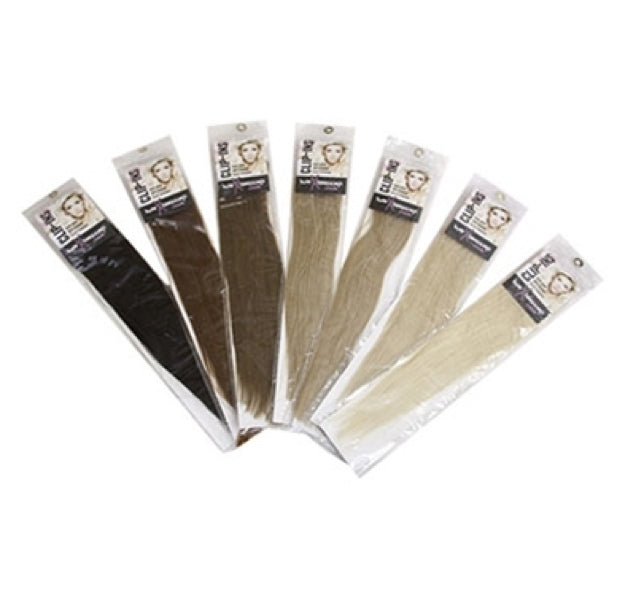
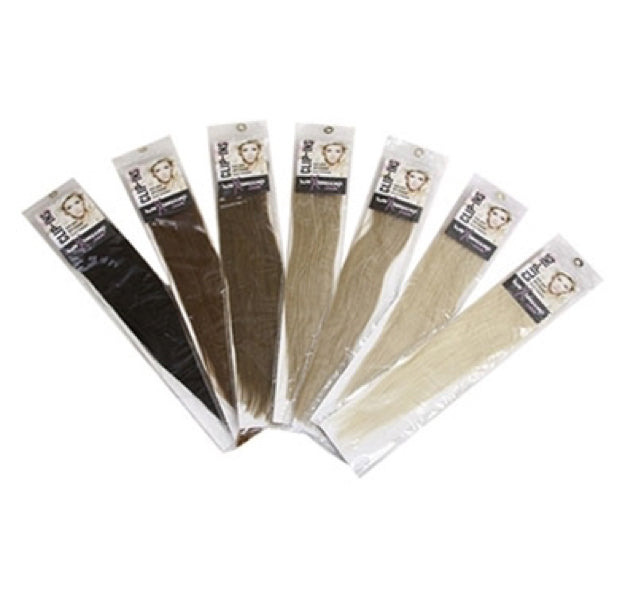
Can You Sleep with Clip-In Hair Extensions?
Clip-In extensions should normally be removed before sleeping.
They are designed to be temporary and removable rather than worn continuously overnight.
Why Should Clip-In Extensions Be Removed at Night?
Removing them avoids unnecessary pressure from the clips while you sleep and allows both the natural hair and extension pieces to be brushed and stored properly.
Can You Sleep with a Clip-In Ponytail?
No.
Clip-In ponytails should be removed before bed.
How Should Clip-In Extensions Be Stored Overnight?
After removal:
- Brush the extensions gently.
- Make sure they are completely dry.
- Close the clips where appropriate.
- Lay or hang the hair neatly.
- Store away from moisture and excessive heat.
Should You Apply Hair Oil Before Bed?
A small amount of suitable hair oil through dry mid-lengths and ends can help improve softness.
Avoid saturating fitted attachment areas.
Can You Use Leave-In Conditioner Overnight?
A suitable lightweight leave-in product may be used through the lengths if needed.
Avoid excessive product around fitted roots and attachments.
Should You Apply Conditioner to Attachment Areas Before Bed?
No.
Conditioner is generally better concentrated through the mid-lengths and ends of fitted extension hair.
Can Too Much Product Cause Problems Overnight?
Heavy product build-up can make roots and extension hair feel greasy and may contribute to tangling.
Use leave-in products sparingly rather than repeatedly layering them onto the hair.
Can Dry Shampoo Be Used Before Bed?
It can be used according to the product instructions, but avoid excessive build-up around fitted attachments.
Dry shampoo should not replace proper washing.
Can You Sleep with Curled Hair Extensions?
Yes.
Make sure the curls have cooled and the hair is completely dry before going to bed.
A loose braid may soften curls, while loosely securing them can help reduce tangling.
How Do You Protect Styled Curls Overnight?
Avoid tightly brushing freshly styled curls before bed if you want to preserve their shape.
Instead, gently separate obvious tangles and secure the hair loosely.
Can You Sleep with Straightened Hair Extensions?
Yes.
The same general rules apply: make sure the hair is dry, detangled and not tightly pulled.
Should You Use Heat Right Before Bed?
If you heat style before bed, allow the hair to cool before securing it.
Repeated unnecessary heat styling can contribute to dryness over time.
Can Sleeping Damage Hair Extensions?
Sleeping itself is a normal part of wearing fitted extensions.
The main issues come from repeated friction, tangling, wet hair and unnecessary tension.
Can Sleeping Cause Hair Extension Matting?
It can contribute, particularly if the hair is already tangled or damp.
Matting often develops gradually when loose shed hairs and small knots are repeatedly rubbed together.
Why Does Matting Happen Around the Roots?
Naturally shed hairs can remain trapped inside fitted attachments until maintenance.
If these hairs are not kept separated and the surrounding hair becomes tangled, matting can develop around the root area.
What Should You Do If You Wake Up with Tangled Extensions?
Do not pull a brush forcefully through the knot.
Instead:
- Separate the hair into sections.
- Support the hair above the tangle.
- Begin detangling from the ends.
- Gradually work upwards.
- Use a suitable detangling product through the lengths if needed.
What If the Tangle Is Near an Extension Attachment?
Work particularly carefully.
If the tangle is severe or wrapped around several attachments, professional help may be safer than repeatedly pulling at it.
What Should You Do If Hair Extensions Become Matted?
Small tangles may be carefully detangled, but severe matting around fitted attachments should be assessed by a professional extension technician.
Should You Brush Extensions Immediately After Waking Up?
A gentle morning brush is a good habit.
Check the ends and nape first, then gradually work upwards.
What Is the Best Morning Routine for Hair Extensions?
✔ Release your braid or loose ponytail gently
✔ Check the nape for tangles
✔ Brush from the ends upwards
✔ Support fitted attachment areas
✔ Apply a small amount of suitable product to dry ends if needed
✔ Style as normal
What Is the Best Nighttime Routine After Washing Hair Extensions?
If you wash your hair in the evening, allow enough time to dry it properly before bed.
Your routine should be:
- Wash carefully.
- Condition the mid-lengths and ends.
- Gently remove excess water.
- Detangle carefully.
- Dry the roots and attachment areas completely.
- Dry the lengths.
- Brush gently.
- Loosely secure the hair before sleeping.
Is It Better to Wash Hair Extensions in the Morning?
If you regularly struggle to get the hair completely dry before bed, washing earlier in the day may be easier.
The important thing is avoiding going to sleep while fitted extensions are still wet.
What If You Have to Wash Hair Extensions Late at Night?
Allow enough time to dry both the roots and lengths before sleeping.
Do not rely on the hair drying naturally while you sleep.
How Should You Sleep with Extensions in Hot Weather?
Warm weather can increase sweating around the scalp and nape.
Keep long hair loosely controlled overnight and make sure damp roots are allowed to dry.
What About Sleeping with Hair Extensions on Holiday?
Holiday conditions can place extra demands on extension hair because of:
- Swimming
- Salt water
- Chlorine
- Sun exposure
- Sunscreen
- Heat
- Humidity
Your nighttime routine becomes particularly important after a day at the pool or beach.
What Should You Do After Swimming Before Bed?
Do not go directly from swimming to bed with wet extension hair.
Instead:
- Rinse the hair thoroughly with fresh water.
- Wash when appropriate.
- Condition the lengths.
- Detangle carefully.
- Dry the hair and attachment areas.
- Secure loosely before sleeping.
🏊 Read Our Swimming with Hair Extensions Guide
Can Hard Water Affect Your Nighttime Routine?
Hard water can contribute to mineral build-up, dryness and reduced manageability.
If extension hair becomes increasingly rough or tangled despite good brushing habits, water quality may be one factor worth considering.
💧 Read Our Hard Water & Hair Extension Aftercare Guide
Should You Separate Individual Extension Strands Before Bed?
For individual-strand methods, gently checking that attachments are not becoming tangled together can be useful.
This should be done carefully without pulling or forcing the strands apart.
Why Does Natural Hair Shed Around Extension Attachments?
Natural hair continues its normal shedding cycle while extensions are fitted.
Some of those shed hairs remain trapped by the attachment until maintenance.
Keeping the root area tidy can help prevent shed hairs becoming tangled with neighbouring attachments.
Can Going Too Long Between Maintenance Appointments Affect Nighttime Tangling?
Yes.
As fitted extensions grow further away from the scalp, there is more space for natural movement and shed hair to collect around the root area.
Follow the maintenance schedule recommended by your technician.
Can Tight Hairstyles Cause Problems Overnight?
Yes.
Tight braids, ponytails or buns can place prolonged tension on fitted attachment areas.
Nighttime styles should be loose and comfortable.
Can You Sleep in a Bun with Hair Extensions?
A loose bun may work for some people, but it should not pull tightly against the scalp.
A loose braid is often easier for keeping long extension hair organised.
Why Should You Avoid Elastics That Pull Too Tightly?
A tight elastic can place tension on both the extension hair and natural hair.
Choose a soft tie and secure only firmly enough to control the lengths.
Do Short Hair Extensions Need the Same Nighttime Routine?
Yes, although shorter lengths may not need to be braided.
They should still be dry, brushed and free from tangles before bed.
Do Very Long Extensions Need Extra Nighttime Care?
Usually.
Longer hair has more opportunity to move, rub and tangle during sleep.
Loosely securing the lengths can be particularly helpful.
Do Fine Hair Extensions Need Extra Care at Night?
Fine natural hair may be more sensitive to unnecessary pulling.
Support the roots while brushing and avoid tight nighttime hairstyles.
Do Thick Hair Extensions Need Extra Care?
Thick extension hair can hide tangles underneath the top layer.
Divide the hair into sections when brushing so the underneath areas and nape are not missed.
What Are the Most Common Nighttime Hair Extension Mistakes?
✖ Going to bed with wet extensions
✖ Ignoring tangles before sleeping
✖ Wearing very tight ponytails or braids
✖ Pulling aggressively through knots
✖ Sleeping in Clip-In extensions
✖ Leaving severe root tangling until the next maintenance appointment
✖ Applying excessive oil or conditioner around fitted attachments
What Is the Ideal 5-Minute Nighttime Hair Extension Routine?
1. Check that your hair and attachment areas are dry.
2. Gently brush from the ends upwards.
3. Check the nape and roots for small tangles.
4. Apply a tiny amount of suitable oil to dry ends if required.
5. Secure long hair in a loose braid or low ponytail.
What Is the Most Important Thing to Do Before Sleeping with Extensions?
If you only remember three things, make sure your extensions are dry, detangled and loosely secured.
Those simple habits can help reduce many of the common overnight problems associated with long extension hair.
Do You Need an Elaborate Nighttime Hair Extension Routine?
No.
Consistency is more useful than an overly complicated routine.
A few minutes of gentle care each evening can make extensions easier to manage the following morning.
Hair Extension Nighttime Checklist
✔ Hair completely dry
✔ Roots and attachments checked
✔ Nape detangled
✔ Ends brushed gently
✔ Long hair loosely secured
✔ No excessive tension
✔ Clip-Ins removed and stored safely
Read Our Complete Hair Extension Brushing Guide
Correct brushing is one of the most important parts of both daytime and nighttime extension care.
✨ How to Brush Hair Extensions Correctly
Hair Extension Aftercare
A good nighttime routine works best as part of consistent overall extension care, including correct washing, conditioning, drying, brushing and heat styling.
👉 Read Our Complete Hair Extension Aftercare Guide
Final Thoughts
Your nighttime hair extension routine does not need to take long.
The most important habits are making sure the hair is dry, removing tangles gently, checking the nape and attachment areas and keeping longer lengths loosely controlled while you sleep.
Different extension methods require slightly different attention, but the basic principles remain the same: minimise unnecessary friction, pulling and tangling.
For fitted extensions, regular professional maintenance is also important because naturally shed hair and attachment movement can make root tangling more likely as the extensions grow down.
Making these simple steps part of your nightly routine can help keep your extensions easier to brush, style and manage when you wake up.