



Hair Weft Extensions: Complete Guide to Weaves, Fitting, Lengths & Aftercare
Hair Weft extensions are one of the most versatile ways to add length, volume and thickness using a continuous section of extension hair rather than individual strands.
They can be customised by a professional fitter for different weave techniques and are available in a wide range of colours and lengths, making them suitable for everything from subtle volume enhancement to a dramatic long-hair transformation.
In this complete guide, we explain what Hair Weft extensions are, how they are made, the different fitting methods, how to choose the right length and amount of hair, how to care for them and what to consider before booking a professional fitting.
✔ Continuous curtain of extension hair
✔ Available in 14", 18", 20" and 22" lengths
✔ Approx. 115g–130g depending on length
✔ Approx. 55–60 inches wide before customisation
✔ Double-wefted construction
✔ Can be customised for different professional weave methods
✔ Adds length, volume or both
What Are Hair Weft Extensions?
A Hair Weft is a continuous curtain of extension hair secured together along a stitched upper seam.
Unlike Nano Tips, Stick-Tips or Nail-Tips, where the hair is supplied as individual strands, a weft provides a much wider section of extension hair that can be measured, divided and positioned according to the chosen professional fitting technique.
What Is the Difference Between Hair Wefts and Hair Weaves?
The terms are closely related but describe slightly different things.
Hair Weft usually refers to the physical strip of extension hair.
Hair Weave often refers to the fitting technique used to attach that weft to the natural hair.
What Does Double-Wefted Mean?
A double-wefted extension contains two layers of weft joined together to create a fuller continuous piece.
This increases the amount of hair supplied across the weft while keeping it in a format that can be customised by the professional fitter.
How Wide Is a Hair Weft?
HairX wefts are supplied as one wide piece measuring approximately 55–60 inches across before customisation.
The fitter can then measure and divide the weft according to the required installation method and row placement.
Why Are Hair Wefts So Versatile?
Wefts can be used in several different professional extension systems.
Depending on the product and fitting technique, they may be incorporated into:
- Sewn weave applications
- Ring-based weft methods
- LA Weave-style fittings
- Suitable adhesive weft methods
- Custom Clip-In extension pieces
What Lengths Are Hair Wefts Available In?
HairX Hair Wefts are available in:
- 14 inch
- 18 inch
- 20 inch
- 22 inch
How Long Is a 14 Inch Hair Weft?
14 inches is approximately 36cm.
This is the shortest standard HairX Weft length and can be useful for clients wanting extra thickness or a more moderate increase in overall length.
How Long Is an 18 Inch Hair Weft?
18 inches is approximately 46cm.
This length can create noticeable additional length while remaining easier to blend on many medium-length hairstyles.
How Long Is a 20 Inch Hair Weft?
20 inches is approximately 51cm.
This creates a longer transformation with more visual impact through the mid-lengths and ends.
How Long Is a 22 Inch Hair Weft?
22 inches is approximately 56cm.
This is the longest standard HairX Weft length and creates a substantial increase in overall hair length.
Where Will Each Weft Length Sit?
The exact finished position varies from person to person.
It depends on:
- Height
- Torso length
- Natural hair length
- Head shape
- Where the weft rows are fitted
How Much Does a Hair Weft Weigh?
The approximate hair weight varies by length.
14": approx. 115g
18": approx. 120g
20": approx. 125g
22": approx. 130g
Is One Hair Weft Enough for a Full Head?
Sometimes, but not always.
The amount required depends on the client's natural hair and desired result.
Important factors include:
- Natural hair density
- Natural hair length
- Head size
- Desired extension length
- Desired volume
- Chosen fitting technique
Is More Hair Always Better?
No.
The aim is to use enough extension hair to create the desired result while keeping the overall weight appropriate for the client's natural hair.
Why Does Weft Weight Matter?
A weft places extension weight across a row rather than distributing it across separate individual-strand attachments.
The natural hair supporting the row must therefore be suitable for the amount of extension hair being fitted.
Can a Hair Weft Be Too Heavy?
Yes.
If too much hair is added to unsuitable natural hair, or if the row is positioned poorly, unnecessary tension can be created.
Professional assessment is important before fitting.
Can Hair Wefts Be Used Mainly for Volume?
Yes.
Wefts do not have to create a dramatic length transformation.
A shorter length can be selected and blended close to the natural hair length to increase fullness through the mid-lengths and ends.
Can Hair Wefts Add Length and Volume Together?
Yes.
This is one of the main reasons they are popular.
The extension hair increases both overall length and density when enough hair is fitted and blended correctly.
Why Do Longer Wefts Need Enough Density?
The longer the extension length, the more important fullness through the ends becomes.
If too little extension hair is fitted, long extensions may appear thin or disconnected from the natural hair.
What Hair Types Can Wear Weft Extensions?
Suitability depends on the fitting method, natural hair density, hair condition and total extension weight.
There is no single weft method suitable for every hair type.
Can Fine Hair Wear Hair Wefts?
Potentially.
Fine hair needs careful professional assessment because the row must be supported by enough natural hair and the total extension weight should be appropriate.
Can Thick Hair Wear Hair Wefts?
Yes.
Thicker natural hair can work very well with wefts because enough extension hair can be added to balance the natural density.
Can Short Hair Wear Hair Wefts?
Potentially.
There needs to be enough natural hair to:
- Conceal the fitted rows
- Blend into the extension length
- Support the chosen fitting method
Why Is Natural Hair Length Important?
A very large difference between the natural hair length and extension length can make blending more difficult.
Professional cutting, layering and shaping may be needed after fitting.
How Are Hair Wefts Fitted?
There is more than one professional fitting method.
The chosen method depends on the extension product, the client's natural hair and the extensionist's preferred system.
What Is a Sew-In Weave?
A traditional sew-in method uses prepared natural-hair sections or a supporting base, with the weft sewn into position using professional weaving thread and a suitable needle.
What Is a Beaded Weft?
A beaded weft uses rings or beads to create the supporting attachment structure for the extension row.
The weft is then secured according to the chosen professional technique.
What Is an LA Weave?
An LA Weave is a ring-based weft fitting method where small rings create a supporting row and the extension weft is then professionally secured along that foundation.
Does an LA Weave Use Glue?
The standard LA Weave technique does not rely on adhesive to hold the weft in place.
Does an LA Weave Use Heat?
No heated bonding tool is normally required during the fitting.
Does That Mean an LA Weave Is Damage-Free?
No fitted extension method should be described as completely damage-free.
Total weft weight, row position, tension, maintenance and removal all affect how the natural hair responds.
What Is an Adhesive Weft Method?
Some professional systems use suitable extension adhesive to secure sections of weft hair.
The product, preparation and removal method must be compatible with the chosen extension system.
Can Hair Wefts Be Turned into Clip-Ins?
Potentially.
A professional can customise sections of weft and attach suitable extension clips to create removable pieces.
What Is the Difference Between a Hair Weft and Tape-In Extensions?
A traditional hair weft is supplied as a continuous stitched strip of hair.
Tape-In extensions are supplied as individual adhesive panels designed to be fitted around sections of natural hair.
What Is the Difference Between Hair Wefts and Nano Tips?
Nano Tips are fitted as individual strands using small rings.
Hair Wefts add a wider section of extension hair across a row.
What Is the Difference Between Hair Wefts and Stick-Tips?
Stick-Tips are individual extension strands secured using compatible ring-based attachments.
Wefts are continuous sections of hair fitted across rows.
What Is the Difference Between Hair Wefts and Nail-Tips?
Nail-Tips are individual pre-bonded strands fitted using softened keratin attachments.
Wefts use a continuous seam and are fitted using a suitable weave or weft technique.
What Is the Difference Between Hair Wefts and Clip-Ins?
Professionally fitted wefts are designed to remain attached between maintenance appointments.
Clip-Ins are removable extensions that can be fitted and taken out as required.
How Do You Choose the Right Hair Weft Method?
Consider:
- Natural hair density
- Natural hair condition
- Desired extension weight
- Desired length
- Desired volume
- Usual hairstyles
- Maintenance preferences
- Professional recommendation
Why Is Row Placement Important?
Row placement affects comfort, concealment, movement and styling flexibility.
A professional fitter needs to consider the client's head shape, natural density and usual hairstyles before deciding where each row should sit.
Can Weft Rows Be Visible?
Yes.
Visibility depends on:
- Natural hair density
- Row placement
- Hairstyle
- Weft thickness
- The amount of natural hair available for coverage
Can Hair Wefts Look Discreet?
Yes.
Correct placement and enough natural hair coverage can help fitted rows sit discreetly beneath the surrounding hair.
No fitted extension method is completely invisible in every hairstyle.
Why Is Tension Important?
The weft needs to remain secure without placing unnecessary stress on the natural hair.
Persistent pain or pulling should be professionally checked.
Should a Fresh Weft Feel Tight?
A new fitting may feel different initially, but significant or persistent soreness should not simply be ignored.
Can Wefts Be Cut to Fit the Head?
Yes.
Professional fitters often customise the width of the weft to suit the row.
What Happens When a Weft Is Cut?
Cutting through the seam can expose the edge of the weft and may increase the chance of shedding from the cut area.
Should Cut Weft Edges Be Sealed?
Using a suitable professional weft sealer on customised edges can help reinforce the cut seam and reduce unnecessary shedding.
What Is Hair Weft Sealer?
Weft sealer is a product designed to reinforce the stitched edge of a Hair Weft.
It is particularly useful where the original continuous weft has been cut or customised for fitting.
Does Weft Sealer Stop All Shedding?
No.
Some loose hair may still be released during normal use.
The aim of weft sealer is to reinforce the seam and help reduce avoidable shedding from modified edges.
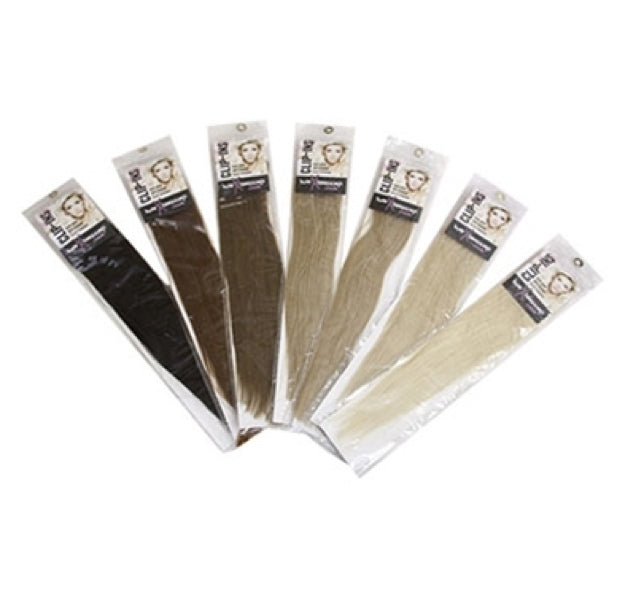
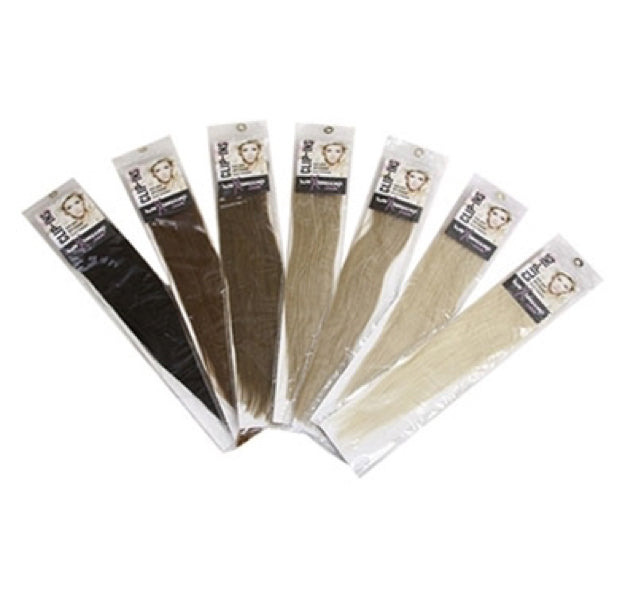
How Do You Choose a Hair Weft Colour?
Compare the extension shade against the natural hair where the weft will visually blend.
This usually means looking at the mid-lengths and ends rather than matching only the roots.
Should Hair Wefts Match the Roots?
Not necessarily.
The natural hair covering the weft may have different tones through the mid-lengths and ends.
Can More Than One Weft Colour Be Used?
Yes.
Combining complementary shades can create a more dimensional finish where the natural hair contains highlights, lowlights or multiple tones.
Can Hair Wefts Create Highlights?
Yes.
Different colours can be incorporated into the fitting to create contrast and dimension.
Can Hair Wefts Create Ombre Hair?
Yes.
Ombre wefts can create a gradual dark-to-light effect without requiring every section of natural hair to be chemically coloured.
Should You Use a Hair Extension Colour Ring?
Yes.
A physical colour ring makes it easier to compare shades directly against the client's hair before ordering.
🎨 Shop Hair Extension Colour Rings
Why Is Blending Important with Hair Wefts?
Fitting the weft is only part of the transformation.
The natural hair and extension hair may also need professional:
- Trimming
- Layering
- Shaping
- Texturising
Can Long Hair Wefts Look Natural?
Yes.
A natural-looking result depends on:
- Accurate colour matching
- Enough extension density
- Correct row placement
- Professional blending
Why Do Waves Work Well with Weft Extensions?
Waves create movement and can help visually combine the natural hair with the extension lengths.
Can Hair Wefts Be Worn Straight?
Yes.
Straight styling can create a sleek result, but any difference between the natural hair and extension length may be easier to see.
Can Hair Wefts Be Curled?
Human hair wefts can generally be curled using suitable heat protection.
Keep heated tools away from attachment areas where required by the fitting method.
Can Hair Wefts Be Straightened?
Yes.
Use suitable heat protection and avoid unnecessarily high temperatures.
Can You Wear Hair Wefts in a Ponytail?
Often, yes.
The result depends on row placement and how much natural hair is available to conceal the fitted weft.
Can You Wear Hair Wefts in an Updo?
Potentially.
Some row positions may become visible depending on the hairstyle.
How Should Hair Weft Extensions Be Washed?
Wash carefully around the fitted rows.
- Brush gently before washing.
- Wet the hair thoroughly.
- Apply suitable shampoo to the scalp.
- Massage carefully around the fitted rows.
- Rinse thoroughly.
- Apply conditioner mainly through the mid-lengths and ends.
- Rinse again.
- Dry the fitted rows properly.
Can You Use Conditioner on Hair Wefts?
Yes.
Concentrate conditioner through the extension lengths and ends while avoiding excessive build-up around fitted attachment areas.
Can You Use Hair Masks?
Yes, provided the product is suitable for extension hair.
Richer treatments are generally best concentrated through the mid-lengths and ends.
Can You Use Hair Oil?
Yes, sparingly.
A small amount through dry ends can help improve softness and shine.
How Should Hair Wefts Be Brushed?
Start at the ends and gradually work upwards while supporting the hair near the fitted rows.
Take extra care around the seam and attachment areas.
✨ Read Our Complete Hair Extension Brushing Guide
Why Does the Nape Need Extra Attention?
The nape experiences friction from clothing, sleeping and movement.
Regular gentle detangling helps prevent small tangles becoming larger mats.
Can Hair Wefts Matt at the Roots?
Yes.
Natural shed hair can remain trapped around fitted rows until maintenance, and friction can contribute to tangling if the area is not cared for properly.
Can You Blow-Dry Hair Weft Extensions?
Yes.
Dry the fitted rows properly rather than allowing attachment areas to remain damp for long periods.
Can You Air-Dry Hair Wefts?
The lengths may partly air-dry, but fitted rows should not repeatedly remain wet for extended periods.
Should You Use Heat Protection?
Yes.
Heat protection should form part of the styling routine whenever using hairdryers, straighteners or curling tools.
Can Hair Wefts Become Dry?
Yes.
Repeated washing, heat styling, swimming and environmental exposure can gradually affect softness and manageability.
Can Hair Weft Colour Fade?
Yes.
Colour can gradually change through:
- Repeated washing
- UV exposure
- High heat
- Swimming
- Mineral build-up
- General wear
Can Hard Water Affect Hair Wefts?
Yes.
Minerals can build up on extension hair and affect softness, shine and colour.
Can Swimming Affect Hair Weft Extensions?
Yes.
Chlorine, salt water and repeated soaking can affect both condition and colour.
Rinse thoroughly after swimming and dry fitted rows properly.
🏊 Read Our Swimming with Hair Extensions Guide
Can Hair Wefts Discolour?
Yes.
Extension colour can be affected by:
- UV exposure
- Hard water
- Swimming
- Heat
- Product build-up
- Sunscreen
- Fake tan
🎨 Read Our Hair Extension Discolouration Guide
Can You Use Purple Shampoo on Blonde Hair Wefts?
Use caution.
Processed extension hair may absorb toning products differently from natural hair and can develop uneven results if purple products are overused.
Can You Dye Hair Wefts?
Further colouring carries risk because extension hair may already have undergone processing during manufacture.
Results can be unpredictable and condition may be affected.
Can You Bleach Hair Wefts?
Further bleaching is generally best avoided unless the specific extension product is designed and approved for additional lightening.
Can You Sleep with Fitted Hair Wefts?
Yes.
Before bed:
- Make sure the hair and fitted rows are dry
- Brush gently
- Check the nape for tangles
- Loosely secure longer lengths if required
Can You Sleep with Wet Hair Wefts?
It is best avoided.
Wet hair can tangle and matt more easily, particularly around the roots and fitted rows.
Should Long Hair Wefts Be Braided at Night?
A loose braid can help control longer extension hair during sleep.
Avoid tight styles that pull strongly against the fitted rows.
Can You Exercise with Hair Wefts?
Yes.
After heavy exercise, allow the scalp and fitted rows to dry properly.
How Long Can Hair Wefts Stay Fitted?
There is no universal maintenance interval.
Natural hair growth, fitting method, row placement, extension weight and aftercare all influence when professional maintenance is required.
What Happens as the Natural Hair Grows?
The fitted row gradually moves further away from the scalp as the natural hair grows.
This changes the position and support of the extension row over time.
What Happens During Weft Maintenance?
A maintenance appointment may involve:
- Removing or loosening the existing extension row.
- Releasing naturally shed hair.
- Detangling and assessing the natural hair.
- Inspecting the weft seam.
- Checking the condition of the extension hair.
- Rebuilding or repositioning the support row.
- Refitting suitable weft hair closer to the scalp.
Why Does Shed Hair Collect Around Weft Rows?
Natural hair continues its normal shedding cycle while extensions are fitted.
Some of those shed strands remain trapped around the attachment areas until maintenance.
Can Hair Wefts Be Reused?
Potentially, yes.
If the extension hair and weft seam remain in suitable condition, the hair may be professionally refitted.
What Should Be Checked Before Reusing a Hair Weft?
Check:
- Overall hair condition
- Weft seam integrity
- Any cut edges
- Excessive shedding
- Thinning through the ends
- Severe matting or damage
How Long Does Hair Weft Hair Last?
There is no fixed lifespan.
Condition is influenced by:
- Washing frequency
- Brushing
- Heat styling
- Swimming
- UV exposure
- Water quality
- Product use
- General aftercare
When Should Hair Wefts Be Replaced?
Replacement may be appropriate when the hair becomes:
- Severely dry
- Constantly tangled
- Very thin through the ends
- Heavily heat damaged
- Severely discoloured
- Damaged around the weft seam
Can Hair Wefts Shed?
Some loose hair may be released during normal wear.
Excessive shedding should be investigated, particularly if the weft has been cut or the seam has been damaged.
How Can You Reduce Shedding from a Cut Weft?
Use suitable professional weft sealer on customised edges and avoid repeatedly cutting through the stitched seam unnecessarily.
How Are Hair Wefts Removed?
Removal depends on the fitting method.
A ring-based weft requires a different removal process from a sewn or adhesive method.
Professional removal is recommended so the natural hair and extension weft can be checked properly.
Should You Remove a Hair Weft Yourself?
Professional removal is recommended.
Incorrect removal can place unnecessary stress on the natural hair or damage the extension seam.
Do Hair Wefts Damage Natural Hair?
Any fitted extension system can place stress on natural hair if it is unsuitable, too heavy, fitted incorrectly, maintained poorly or removed incorrectly.
Risk can increase when:
- The weft is too heavy
- Rows are fitted too tightly
- The natural hair is too weak for the method
- Maintenance is delayed excessively
- Tangles around the rows are ignored
- Removal is carried out incorrectly
Are Hair Wefts Low Maintenance?
They still require regular daily and professional care.
Fewer visible individual attachments does not mean the extension hair or fitted rows can be ignored.
Are Hair Wefts Suitable for Everyone?
No extension method is suitable for everyone.
The natural hair should be assessed professionally before deciding on the fitting method, amount of hair and total extension weight.
What Are the Main Benefits of Hair Wefts?
- Can add substantial length
- Can add substantial volume
- Wide continuous format
- Available in multiple lengths
- Available in natural and Ombre shades
- Can be customised for different professional fitting systems
- May be reusable if the hair and seam remain in suitable condition
What Are the Main Considerations Before Choosing Hair Wefts?
- Total extension weight
- Natural hair density
- Row visibility
- Professional maintenance
- Correct fitting method
- Aftercare commitment
- Colour matching
How to Care for Hair Weft Extensions
✔ Brush gently every day
✔ Support fitted rows while brushing
✔ Keep the nape free from tangles
✔ Condition the mid-lengths and ends
✔ Dry fitted rows properly
✔ Use suitable heat protection
✔ Rinse thoroughly after swimming
✔ Check cut weft edges for excessive shedding
✔ Attend professional maintenance when required
Common Hair Weft Mistakes to Avoid
✖ Choosing extension weight without assessing the natural hair
✖ Fitting rows too tightly
✖ Cutting the weft repeatedly without protecting customised edges
✖ Pulling aggressively through tangles
✖ Sleeping with wet extensions
✖ Leaving fitted rows damp for long periods
✖ Overusing high heat
✖ Delaying maintenance excessively
✖ Attempting incorrect DIY removal
Shop Hair Weft Extensions
Explore our human hair wefts in 14", 18", 20" and 22" lengths, with natural and Ombre shades available.
Choose Your Hair Weft Length
Find Your Hair Extension Shade
Use a professional colour ring to compare shades directly against the natural hair before choosing your weft.
🎨 Shop Hair Extension Colour Rings
Hair Extension Aftercare
Correct washing, brushing, drying and styling can help maintain both the condition of the extension hair and the fitted weft rows.
👉 Read Our Complete Hair Extension Aftercare Guide
Final Thoughts
Hair Weft extensions offer a versatile way to create anything from subtle extra volume to a dramatic increase in length and thickness.
The continuous weft format gives professional fitters flexibility to customise the hair for different weave systems, while the range of 14", 18", 20" and 22" lengths makes it easier to tailor the finished result.
The most important part is choosing the correct length, amount of hair, fitting method and total extension weight for the client's natural hair.
Professional placement, careful blending, regular maintenance and consistent aftercare all play an important role in how the finished extensions look and feel.
With the right fitting plan and proper care, Hair Weft extensions can provide substantial length, volume and styling versatility while keeping the application tailored to the individual client.