


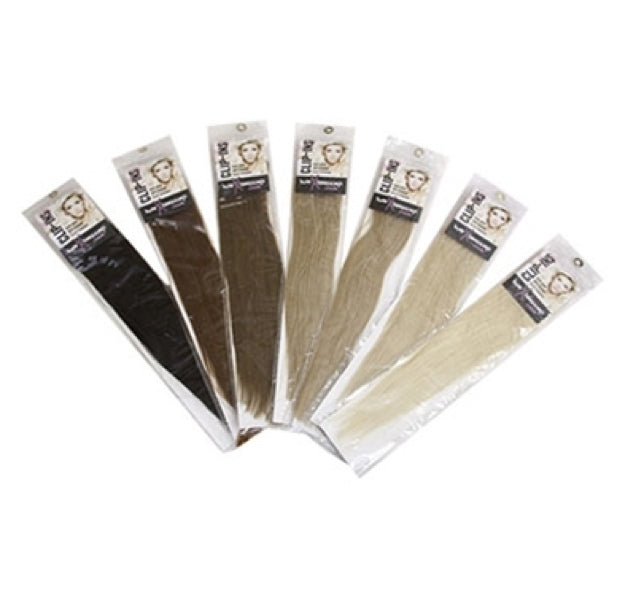
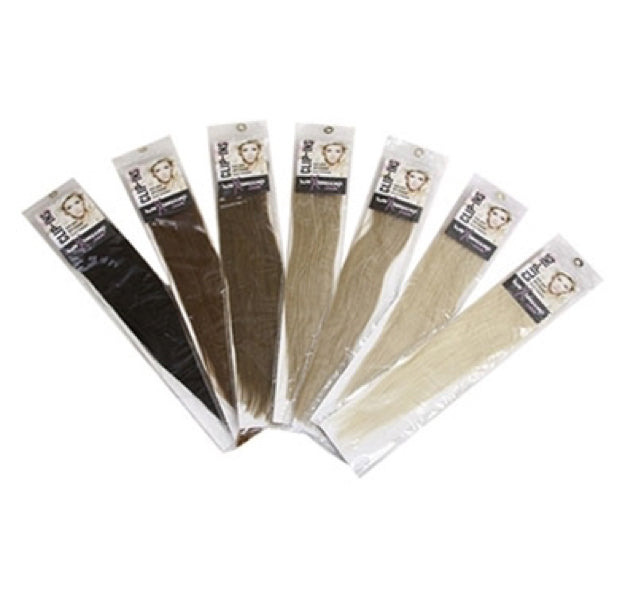

20 Inch Ash Blonde & Honey Blonde Tape-In Hair Extensions Makeover
This transformation shows how 20 inch Tape-In hair extensions can create long, full blonde hair while combining both cool and warm tones for a more dimensional finish.
For this makeover, Ash Blonde and Honey Blonde Tape-In extensions were blended together to add approximately 20 inches of length, along with extra volume through the mid-lengths and ends.
The key to a successful blonde Tape-In transformation is not simply choosing a light shade. Colour matching, panel placement, section size, adhesive preparation, extension weight, blending and aftercare all influence the final result.
✔ 20 inch Tape-In hair extensions
✔ Ash Blonde + Honey Blonde blend
✔ Multi-tonal blonde finish
✔ Added length and volume
✔ Flat Tape-In panel fitting method
✔ Professionally fitted for a blended result
Why This Ash Blonde & Honey Blonde Tape-In Makeover Works
The combination of Ash Blonde and Honey Blonde creates a more dimensional result than using one single blonde shade throughout.
Ash Blonde contributes cooler tones, while Honey Blonde adds warmth and softness.
Together, they help create a balanced blonde blend through the lengths.
What Is Ash Blonde?
Ash Blonde is a cooler blonde tone with more muted, neutral or slightly grey undertones compared with warmer golden blondes.
What Is Honey Blonde?
Honey Blonde is a warmer blonde shade with golden undertones.
It can add softness and warmth to an otherwise cool blonde blend.
Why Mix Ash Blonde and Honey Blonde?
Many natural and salon-created blonde hairstyles contain more than one tone.
Combining cooler and warmer extension colours can help recreate that variation and make the finished hair look less flat.
Blonde hair often contains cool, warm and neutral sections. Matching only one shade can sometimes create a flatter result than carefully blending complementary colours.
Can Tape-In Extensions Be Used to Create Multi-Tonal Blonde Hair?
Yes.
Different Tape-In colours can be placed in separate panels throughout the fitting to create highlights, lowlights and tonal variation.
Can Tape-Ins Add Blonde Highlights Without Colouring All the Natural Hair?
Yes.
Pre-coloured Tape-In panels can introduce lighter or warmer tones without permanently colouring every section of the natural hair.
Should Tape-In Extensions Match the Roots?
Not always.
The extensions need to blend where the natural hair overlaps them, so the mid-lengths and ends can be just as important as the roots.
Should You Use a Hair Extension Colour Ring?
Yes.
A professional colour ring makes it easier to compare blonde shades directly with the natural hair before fitting.
🎨 Shop Hair Extension Colour Rings
What Are Tape-In Hair Extensions?
Tape-In extensions are flat extension panels with adhesive tabs at the top.
They are fitted around a suitable section of natural hair so the natural strand sits between two adhesive panels.
How Are Tape-In Extensions Fitted?
A typical professional fitting may involve:
- Assessing the natural hair and scalp.
- Choosing suitable colours and length.
- Planning the amount of extension hair required.
- Creating clean horizontal sections.
- Taking an appropriately sized natural-hair section.
- Positioning the first Tape-In panel.
- Placing the second panel over it to create a secure sandwich.
- Applying even pressure across the adhesive area.
- Repeating throughout the fitting area.
- Cutting and blending the finished extensions.
Why Is Section Size Important with Tape-Ins?
The natural hair section needs to be the correct thickness for the Tape-In panels.
If too much hair is placed between the tapes, the adhesive may not bond properly.
If too little natural hair is used, the panel may place unnecessary stress on the supporting hairs.
Why Does Panel Placement Matter?
Placement affects:
- Comfort
- Panel concealment
- Hair movement
- Styling flexibility
- Overall extension weight distribution
Can Tape-In Panels Be Fitted Too Close to the Scalp?
Yes.
The panels should allow comfortable natural movement rather than pulling tightly against the scalp.
Should Tape-In Extensions Feel Tight?
A fresh fitting may feel different initially, but ongoing discomfort, pulling or soreness should be professionally checked.
Do Tape-In Extensions Use Heat?
No heated bonding tool is normally required during standard Tape-In application.
Do Tape-In Extensions Use Glue?
They use a purpose-designed extension adhesive already applied to the Tape-In panel or replacement tape tab.
Household glues should never be used.
Does No Heat Mean Tape-Ins Are Damage-Free?
No.
Any fitted extension method can place stress on the natural hair if it is unsuitable, too heavy, poorly fitted, badly maintained or incorrectly removed.
Why Choose 20 Inch Tape-In Extensions?
20 inch extensions create a noticeable increase in length while still being versatile enough for straight, waved or curled styling.
How Long Is 20 Inch Hair?
20 inches is approximately 51cm.
The exact finished position depends on the client's height, body proportions and where the extensions are fitted.
Can 20 Inch Tape-Ins Add Volume?
Yes.
The extension panels add extra hair through the mid-lengths and ends as well as increasing the overall length.
Why Does 20 Inch Hair Need Enough Density?
Long extensions need enough hair through the ends to create a balanced finish.
If too little extension hair is fitted, the lower lengths may appear thin or disconnected.
How Many Tape-In Panels Are Needed?
There is no universal number.
The amount depends on:
- Natural hair density
- Natural hair length
- Head size
- Desired length
- Desired volume
- Panel size
- Desired colour blend
Is More Tape-In Hair Always Better?
No.
The goal is to add enough hair for the desired result while keeping the total extension weight appropriate for the natural hair.
Can Tape-Ins Be Used on Fine Hair?
Potentially.
Fine hair needs careful assessment because panel weight, section size, placement and natural-hair coverage all matter.
Can Tape-Ins Be Used on Thick Hair?
Yes.
Thicker natural hair may require more extension hair to create enough density through the ends for a balanced result.
Can Tape-In Panels Look Discreet?
Yes.
The flat attachment can sit discreetly when placed in areas with enough natural-hair coverage.
No fitted attachment is completely invisible in every hairstyle.
Can Tape-In Extensions Be Worn in a Ponytail?
Often, yes.
The result depends on panel placement and how much natural hair is available to conceal the attachment areas.
Can Tape-Ins Be Worn in an Updo?
Potentially.
Some panels may become visible depending on their position and the hairstyle.
Why Is Blending Important with 20 Inch Extensions?
The greater the difference between the natural hair length and extension length, the more important professional blending becomes.
The finished extensions may require:
- Trimming
- Layering
- Shaping
- Texturising
Why Is Blending Especially Important with Blonde Hair?
Differences between natural hair and extension colour can be easier to see in blonde hair because of tonal variation and light reflection.
Can Ash Blonde and Honey Blonde Tape-Ins Be Worn Straight?
Yes.
Straight styling can show the colour blend clearly, although good cutting and placement become especially important.
Can Tape-In Extensions Be Curled?
Human hair Tape-In extensions can generally be curled using suitable heat protection.
Keep heated tools away from the adhesive tabs.
Can Tape-Ins Be Straightened?
Yes.
Use heat protection and avoid placing straighteners directly onto the adhesive attachment area.
Why Do Waves Work Well with Multi-Tonal Blonde Extensions?
Waves create movement and allow the Ash Blonde and Honey Blonde tones to catch the light differently.
This can make the colour blend appear even more dimensional.
How Should Tape-In Extensions Be Washed?
Wash carefully around the adhesive panels.
- Brush gently before washing.
- Wet the hair thoroughly.
- Apply suitable shampoo to the scalp.
- Massage carefully around the Tape-In rows.
- Rinse thoroughly.
- Apply conditioner mainly through the mid-lengths and ends.
- Rinse again.
- Dry the roots and Tape-In panels properly.
Can You Use Conditioner on Tape-In Extensions?
Yes.
Apply conditioner mainly through the mid-lengths and ends rather than heavily coating the adhesive panels.
Why Should Conditioner Be Kept Away from Tape Tabs?
Rich conditioners, oils and serums can contribute to residue around the adhesive area and may affect attachment performance.
Can You Use Hair Masks?
Yes, if suitable for extension hair.
Concentrate richer treatments through the lengths and ends.
Can You Use Hair Oil?
Yes, sparingly.
A small amount through the ends can help improve softness and shine.
Avoid saturating the Tape-In panels.
How Should Tape-In Extensions Be Brushed?
Start at the ends and gradually work upwards while supporting the hair near the roots.
Brush carefully around the Tape-In rows rather than dragging directly across the attachment areas.
✨ Read Our Complete Hair Extension Brushing Guide
Can Tape-In Extensions Tangle at the Roots?
Yes.
Natural shed hairs can remain around the attachment areas until maintenance, while friction can contribute to tangling if the roots are neglected.
Why Does the Nape Need Extra Attention?
The nape experiences regular friction from clothing, sleeping and movement.
Gentle daily detangling helps prevent small knots developing into larger mats.
Can You Blow-Dry Tape-In Extensions?
Yes.
Dry the root and panel areas properly rather than leaving them damp for extended periods.
Can You Air-Dry Tape-In Extensions?
The lengths may partly air-dry, but fitted panel areas should not repeatedly remain damp for long periods.
Should You Use Heat Protection?
Yes.
Heat protection should form part of the styling routine whenever using hairdryers, straighteners or curling tools.
Can Ash Blonde Extensions Become Brassy?
They can.
UV exposure, heat, hard water, swimming and product build-up can all influence the appearance of cooler blonde tones.
Can Honey Blonde Extensions Fade?
Yes.
Warm blonde tones can gradually change through repeated washing, heat styling, sunlight and general wear.
Can Blonde Tape-Ins Become Orange?
Colour changes can occur due to mineral build-up, environmental exposure or transferred products.
The cause should be identified before using corrective products.
Can Blonde Tape-Ins Turn Green?
Yes.
Light blonde hair can develop greenish tones after exposure to swimming-pool water containing metals such as copper.
Can Hard Water Affect Blonde Tape-In Extensions?
Yes.
Mineral build-up can affect softness, shine and colour, and these changes may be particularly noticeable on lighter extensions.
Can Swimming Affect Tape-In Extensions?
Yes.
Chlorine, salt water and repeated soaking can affect both the extension hair and attachment areas.
Rinse thoroughly after swimming and dry the Tape-In panels properly.
🏊 Read Our Swimming with Hair Extensions Guide
Can Blonde Tape-In Extensions Discolour?
Yes.
Colour can be affected by:
- UV exposure
- Hard water
- Swimming
- High heat
- Product build-up
- Sunscreen
- Fake tan
🎨 Read Our Hair Extension Discolouration Guide
Can Sunscreen Stain Blonde Tape-Ins?
Some sunscreen products can transfer onto lighter extension hair and contribute to unwanted colour changes.
Can Fake Tan Stain Blonde Tape-Ins?
Yes.
Fake tan can transfer onto light extension hair, particularly around the shoulders and neckline.
Should You Use Purple Shampoo on Ash Blonde Extensions?
Use caution.
Purple shampoo may help neutralise unwanted yellow tones, but processed extension hair can absorb toning products differently from natural hair and may develop uneven results if overused.
Should You Use Purple Shampoo on Honey Blonde Extensions?
Usually not as a routine product if you want to preserve the warmer golden character.
Purple products can reduce warmth and alter the intended shade.
Can You Tone Blonde Tape-In Extensions?
Use caution.
Extension hair may already have undergone significant processing, so further toning can produce unpredictable results.
Can You Dye Tape-In Extensions?
Further colouring carries risk.
Results may differ from natural hair and additional chemical processing can affect condition.
Can You Bleach Tape-In Extensions?
Further bleaching is generally best avoided unless the specific product is designed and approved for additional lightening.
Can You Sleep with Tape-In Extensions?
Yes.
Before bed:
- Make sure the hair and attachments are dry
- Brush gently
- Check the nape for tangles
- Loosely secure longer lengths if required
Can You Sleep with Wet Tape-In Extensions?
It is best avoided.
Wet hair can tangle and matt more easily, and fitted panel areas should be dried properly before bed.
Should 20 Inch Tape-Ins Be Braided at Night?
A loose braid can help control longer extension hair during sleep.
Avoid tight styles that pull strongly against the Tape-In panels.
Can You Exercise with Tape-In Extensions?
Yes.
After heavy exercise, allow the scalp and fitted attachment areas to dry properly.
Can Tape-In Extensions Slip?
Yes.
Possible contributing factors include:
- Incorrect preparation
- Too much natural hair between panels
- Insufficient pressure during fitting
- Oil or product contamination
- Natural hair growth
- Overdue maintenance
What Should You Do If a Tape-In Slips?
The panel should be professionally checked rather than simply pressed back into place without preparing it correctly.
Can Tape-In Hair Be Reused?
Potentially, yes.
If the extension hair and top panel remain in suitable condition, old adhesive can be removed and fresh replacement tape tabs applied before professional refitting.
What Are Replacement Tape Tabs?
Replacement Tape Tabs are fresh adhesive strips used to prepare suitable Tape-In extension panels for refitting.
Can You Put New Tape Over Old Adhesive?
No.
Old adhesive residue should be removed properly before fresh replacement tape is applied.
Why Must Tape-In Panels Be Clean Before Refitting?
Residual adhesive, oil and product can reduce the quality of the new attachment.
Can You Use Household Glue on Tape-In Extensions?
No.
Only suitable adhesive products designed specifically for hair extension use should be used.
How Are Tape-In Extensions Removed?
A suitable professional Tape-In remover is applied to help release the adhesive before the panels are carefully separated from the natural hair.
Should You Pull Tape-Ins Apart?
No.
Forcing panels apart can pull unnecessarily on the natural hair.
Should You Remove Tape-Ins Yourself?
Professional removal is recommended.
Correct removal helps reduce unnecessary stress and allows the natural hair and extension panels to be properly assessed.
What Happens During Tape-In Maintenance?
A maintenance or refitting appointment may involve:
- Releasing the Tape-In panels with suitable remover.
- Removing adhesive residue.
- Releasing naturally shed hair.
- Assessing the natural hair.
- Cleaning and preparing suitable extension panels.
- Applying fresh replacement tape tabs.
- Repositioning the extensions closer to the scalp.
Why Does Shed Hair Appear During Tape-In Removal?
Natural hair continues its normal shedding cycle while extensions are fitted.
Some shed strands remain trapped around the attachment areas until the panels are removed.
How Long Can Tape-In Extensions Stay Fitted?
There is no universal maintenance interval.
Natural hair growth, fitting quality, placement, aftercare and individual hair characteristics all influence when refitting is required.
How Long Does Tape-In Extension Hair Last?
There is no fixed lifespan.
Condition depends on:
- Washing
- Brushing
- Heat styling
- Swimming
- Sun exposure
- Water quality
- Product use
- General aftercare
When Should Tape-In Hair Be Replaced?
Replacement may be appropriate if the extension hair becomes:
- Severely dry
- Constantly tangled
- Very thin through the ends
- Heavily heat damaged
- Severely discoloured
- Damaged around the top panel
Do Tape-In Extensions Damage Natural Hair?
Any fitted extension method can place stress on natural hair if it is unsuitable, too heavy, fitted incorrectly, maintained poorly or removed incorrectly.
Risk can increase when:
- Panels are too heavy
- Natural sections are too small
- Panels are placed incorrectly
- Maintenance is delayed excessively
- The hair is pulled aggressively
- Removal is carried out incorrectly
How to Care for Ash Blonde & Honey Blonde Tape-Ins
✔ Brush gently every day
✔ Support the roots while brushing
✔ Keep heavy oils away from the adhesive panels
✔ Condition the mid-lengths and ends
✔ Dry the Tape-In rows properly
✔ Use heat protection
✔ Keep heated tools away from adhesive tabs
✔ Rinse thoroughly after swimming
✔ Monitor blonde colour for staining or mineral build-up
✔ Attend professional maintenance when required
Common Tape-In Mistakes to Avoid
✖ Matching blonde extensions to the roots alone
✖ Using too much or too little natural hair between panels
✖ Applying oils or rich conditioner directly onto adhesive areas
✖ Putting fresh tape over old adhesive residue
✖ Using household glue
✖ Sleeping with wet extensions
✖ Applying heated tools directly onto tape tabs
✖ Overusing purple shampoo
✖ Attempting incorrect DIY removal
Why This Blonde Tape-In Transformation Is Different
The defining feature of this makeover is the combination of Ash Blonde and Honey Blonde rather than relying on one single blonde shade.
The cool and warm tones work together to create more dimension through the 20 inch lengths, while the Tape-In method adds substantial volume without using individual-strand attachments.
Because the finished hair is both long and blonde, accurate colour matching, enough extension density and careful blending are especially important.
Combine complementary blonde shades, use suitable panel placement, keep the natural-hair sections balanced and protect both the adhesive and blonde colour with consistent aftercare.
Read Our Replacement Tape Tabs Guide
Learn how old adhesive is removed and fresh replacement tape tabs are used when suitable Tape-In panels are prepared for professional refitting.
👉 Read Our Replacement Tape Tabs & Refitting Guide
Learn More About Tape-In Hair Extensions
Discover the benefits, maintenance requirements and key considerations before choosing Tape-In extensions.
✨ Read Our Complete Tape-In Hair Extensions Guide
Hair Extension Aftercare
Correct washing, brushing, drying and styling can help maintain both the condition and appearance of Tape-In hair extensions between maintenance appointments.
👉 Read Our Complete Hair Extension Aftercare Guide
Final Thoughts
This 20 inch Ash Blonde and Honey Blonde Tape-In makeover shows how multiple extension colours can work together to create a more dimensional blonde transformation.
The cooler Ash Blonde and warmer Honey Blonde tones complement one another, while the 20 inch extensions provide noticeable additional length and fuller ends.
The Tape-In method uses flat adhesive panels, but successful fitting still depends on appropriate section size, accurate placement, suitable total extension weight and careful blending.
Blonde extension hair also requires thoughtful colour care because heat, UV exposure, hard water, swimming and transferred products can all influence the finished shade.
With professional fitting, regular maintenance and consistent aftercare, multi-tonal blonde Tape-In extensions can create a long, full and polished transformation.