


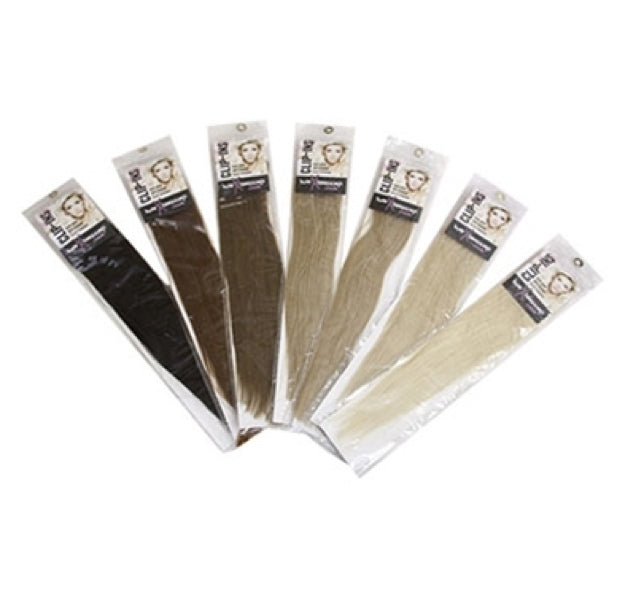
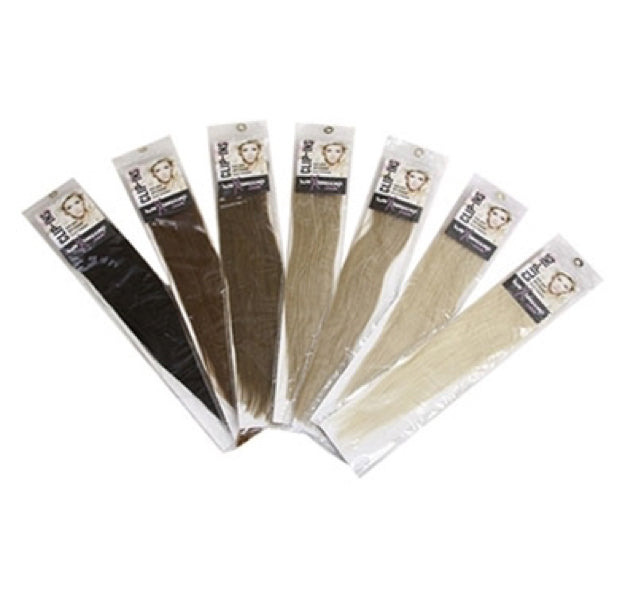
Hair extensions can be a great way to transform shorter hair, whether you want extra length, more volume, additional thickness or simply more hair to work with when styling.
The key to a natural-looking result is not simply choosing the longest extensions available. Your natural haircut, hair density, extension length, colour, amount of extension hair and fitting method all affect how successfully the finished result will blend.
Short or blunt hair can be particularly challenging because the natural ends may create a visible line against much longer extension hair. With careful planning, suitable placement and professional blending, however, that transition can be softened considerably.
In this guide, we look at choosing hair extensions for short hair, the different methods available, how much length to add, colour matching, professional cutting and the styling techniques that can help create a more natural finish.
Yes, many people with short hair can wear hair extensions, but the best option depends on the natural hair length, density, haircut and condition. A smaller increase in length is generally easier to blend than jumping immediately from very short hair to extra-long extensions. Blunt ends may require more extension hair and professional blending, while a close colour match and careful placement help conceal the transition between natural hair and the extensions.
Can You Wear Hair Extensions with Short Hair?
Yes, short hair does not automatically rule out hair extensions.
The more important question is whether there is enough natural hair to support the chosen fitting method and conceal the extension attachments. The natural hair also needs to blend successfully with the additional length and volume.
Someone with a short layered style may require a different approach from somebody with a very blunt bob, even if their hair is approximately the same length.
For professionally fitted extensions, we recommend having the natural hair assessed by an experienced extensionist before ordering or fitting.
There is no single minimum natural-hair length that suits every method and every person. Attachment coverage, density, haircut, scalp condition and the desired finished length all need to be considered together.
Why Short Hair Can Be More Difficult to Blend
When long extensions are added underneath much shorter natural hair, the shorter layer may remain clearly visible on top of the extensions.
This is particularly noticeable with a blunt haircut, where all of the natural ends finish around a similar point.
Instead of flowing gradually into the extension lengths, the natural hair can appear to sit as a separate layer.
Successful blending is therefore about creating a smoother transition from the natural hair into the extension hair rather than simply attaching more length underneath it.
Your Natural Haircut Matters
Blunt Short Hair
A strong, straight baseline can be more obvious against long extensions and may require additional hair and professional blending.
Layered Short Hair
Existing layers can sometimes create a softer transition because the natural hair finishes at several different points rather than one solid line.
Fine Short Hair
Attachment visibility and the amount of natural hair supporting each extension need careful consideration.
Thick Short Hair
More extension hair may be required to balance the density of the natural hair and avoid a thin-looking lower section.
Choose a Realistic Extension Length
HairXtensions offers many of its main human hair extension ranges in 14", 18", 20" and 22" lengths.
When your natural hair is short, a dramatic jump to 20" or 22" can require considerably more blending than a more modest increase in length.
14 Inch
Useful for more subtle transformations, adding body and creating a smaller increase in length from shorter natural hair.
18 Inch
Provides a more noticeable increase in length while remaining a versatile option for many everyday styles.
20 Inch
Creates a clearly longer result and may need additional extension hair and blending when the natural hair is short.
22 Inch
Creates the most dramatic length change across many of our ranges and requires careful planning when starting with significantly shorter hair.
If you're unsure, measure the different extension lengths against your own body before ordering. Remember that the same stated length can fall differently depending on your height, torso length and where the extensions are positioned.
Length and Fullness Are Not the Same Thing
Choosing longer extensions does not automatically mean the finished style will look fuller.
The amount of extension hair required depends on factors such as natural hair density, haircut, extension method and how much additional length you want.
This becomes particularly important with short, thick or blunt natural hair.
If there is a large amount of natural hair sitting above a relatively thin amount of extension hair, the result can look unbalanced even if the individual extensions themselves are high quality.
Do not select strand weight or the number of packs on length alone. Professionally fitted methods should be planned around the client's natural hair and the amount of weight it can safely support.
0.5g vs 1.0g Extension Strands for Short Hair
Some HairXtensions individual-strand ranges are available in both 0.5g and 1.0g strand options across selected lengths and colours.
A 1.0g strand contains more extension hair than a 0.5g strand, but that does not automatically make the heavier strand the correct choice for every person with short or thick hair.
Strand weight affects the amount of hair attached to each natural section, so suitability should be professionally assessed.
The aim is to use an appropriate distribution of extension hair rather than simply choosing the heaviest strand available.
Which Hair Extension Method Is Best for Short Hair?
There is no single extension method that is automatically best for all short hair. Each has different attachment sizes, fitting requirements and placement possibilities.
Your extensionist should consider how easily the attachments can be concealed, how much natural hair is available to support them and what finished look you want.
Nano-Tip Extensions for Short Hair
Nano-Tip extensions use very small Nano Ring attachments and are fitted as individual strands.
Their compact attachment size can make them useful when discreet placement is important, but they still need enough natural hair around them for coverage.
Individual-strand fitting also allows the professional extensionist to control where strands are positioned and distributed.
Suitability should still be assessed individually, particularly with very fine or fragile natural hair.
Shop Nano-Tip ExtensionsTape-In Extensions for Short Hair
Tape-In extensions are fitted using flat adhesive mini wefts and can add both length and volume.
Because Tape-Ins sit in wider sections than individual-strand methods, correct positioning is particularly important when the natural hair is short.
There must be enough natural hair above the Tape-In panels to keep the attachments concealed as the hair moves.
Tape-In extensions should be professionally fitted and removed.
Shop Tape-In ExtensionsNail-Tip / U-Tip Extensions for Short Hair
Nail-Tip, also known as U-Tip or pre-bonded extensions, are fitted strand-by-strand using a keratin attachment.
Individual placement gives the extensionist flexibility when distributing additional hair, but the bonds still need to remain concealed by the natural hair.
The client's natural hair density, condition and desired amount of added length should be assessed before fitting.
Shop Nail-Tip ExtensionsStick-Tip / I-Tip Extensions for Short Hair
Stick-Tip or I-Tip extensions are individual strands fitted using Micro Rings rather than fusion heat or adhesive.
As with other strand-by-strand methods, the extensionist can control the placement throughout the hair.
The Micro Ring attachments need enough natural hair around them to remain discreet, so the client's haircut and density should be considered before fitting.
Shop Stick-Tip ExtensionsMicro-Loop Extensions for Short Hair
Micro-Loop extensions are supplied with a ring-based attachment system already incorporated into each strand.
They can provide additional length and fullness, but the attachments still need sufficient coverage from the natural hair.
With shorter styles, correct professional positioning becomes especially important around the sides and upper sections of the head.
Shop Micro-Loop ExtensionsHair Wefts for Short Hair
Hair Wefts provide a continuous section of extension hair rather than individual strands.
They can create substantial additional volume and length, but the natural hair needs to cover the fitted rows and blend into the extension hair above them.
Different professional weft fitting techniques are available, so discuss the most suitable approach with an experienced extensionist before choosing this method for very short hair.
Shop Hair WeftsClip-In Extensions for Short Hair
Clip-In extensions are a removable option and can be fitted and removed by the wearer.
With short hair, the main challenge is positioning each weft where there is enough natural hair above it to hide the clips.
Wider pieces can be positioned through the back while smaller wefts can be used where appropriate around the sides.
If the natural hair has a very blunt baseline, styling the natural hair and Clip-Ins together can help soften the transition.
Shop Clip-In Hair Extensions Clip-In Fitting GuideHow to Blend Hair Extensions with Short Hair
Good blending usually comes from several factors working together rather than one single trick.
Choose a Sensible Length
A smaller jump in length is usually easier to blend than moving immediately from very short hair to extra-long extensions.
Use Enough Extension Hair
The extension density needs to balance the natural hair, particularly when the starting haircut is thick or blunt.
Get the Colour Right
A close colour match helps the natural hair and extensions appear as one overall style.
Position Attachments Carefully
The attachments should be distributed where enough natural hair is available to conceal them.
Consider Professional Blending
Carefully cutting and shaping the extensions can help remove an obvious separation between short natural hair and longer extensions.
Style the Hair Together
Waves and curls can help create a consistent texture through the natural and extension hair.
Professional Cutting Can Make a Big Difference
If long extensions sit underneath a short, blunt haircut, some of the extension hair may need shaping to create a gradual transition.
Professional blending can involve carefully creating movement through the extension lengths so the natural hair does not appear to stop suddenly above them.
Because extension hair does not grow back after it has been cut, we recommend having significant cutting or blending carried out by someone experienced with hair extensions.
Avoid removing large amounts of extension hair yourself simply because the first fitting looks too long or heavy. Once cut, the extension hair cannot be restored to its original length.
Don't Forget the Hair Around the Nape
Shorter pieces around the lower hairline can sometimes remain visible underneath long extensions, particularly when the hair is worn straight.
The professional fitter should consider how the natural nape hair will sit against the extension lengths and position attachments accordingly.
With removable Clip-Ins, some wearers find that careful positioning and styling helps prevent the shortest natural sections from separating from the extensions.
Use Waves or Curls to Soften the Transition
Straight hair can make differences in length more obvious because every layer falls vertically.
Soft waves or curls can help the natural hair and extension hair move together and make the transition between different lengths less noticeable.
When using heated styling tools on human hair extensions, apply suitable heat protection and avoid excessive temperatures.
Heated tools should also be kept away from extension bonds, rings, tapes and other attachment areas.
Heat Styling GuideColour Matching Short Hair and Extensions
Length and density are only part of a natural-looking transformation. Colour also plays a major role.
When choosing an extension shade, compare the colour with the natural mid-lengths and ends rather than automatically matching the roots.
This is particularly important with balayage, ombre, highlighted or multi-tonal hair.
Screen colours can vary depending on your device, brightness and display settings, so use our Colour Chart and Colour Match service if you are unsure which shade to choose.
Hair Extension Colour Chart Colour Match GuaranteeDon't Plan to Dye the Extensions Afterwards
HairXtensions does not recommend colouring, bleaching or toning extension hair after purchase.
We also recommend avoiding silver, purple, blue and other colour-depositing shampoos on the extension hair.
Our extension hair has already been processed to achieve its finished shade. Further chemical processing can affect its condition and usable lifespan.
Choose the closest suitable colour before opening, fitting or modifying the extensions.
Fine Short Hair Needs a Different Approach from Thick Short Hair
Two people can have the same haircut length but need completely different extension plans.
Fine Short Hair
With fine natural hair, it may be harder to conceal larger attachment points and there may be less natural hair available to support each extension.
This makes professional assessment particularly important when choosing both the fitting method and strand weight.
Thick Short Hair
Thick natural hair may need more extension hair overall to create a balanced transition into longer lengths.
If too little extension hair is used underneath a dense blunt haircut, the natural hair can appear much fuller at the top than the extension hair underneath.
Adding Volume to Short Hair Without Adding Lots of Length
Hair extensions do not have to create extremely long hair.
If your main goal is thickness, body or filling out thinner areas, a shorter extension length may provide the transformation you want while keeping the overall hairstyle relatively natural.
A 14" option, for example, can be useful when additional volume is more important than creating a dramatic increase in length.
Choosing a length closer to your existing hairstyle can also reduce the amount of blending required.
Common Mistakes When Putting Extensions in Short Hair
Going Too Long Too Quickly
A very large difference between natural hair and extension length can make blending considerably more difficult.
Using Too Little Hair
Thick or blunt short hair may overpower a small amount of extension hair and create an obvious separation.
Choosing by Weight Alone
Heavier individual strands are not automatically suitable. Natural hair strength and fitting plans must also be considered.
Poor Colour Matching
Even well-fitted extensions can look obvious when the shade does not blend with the natural lengths.
Visible Attachments
Fitting extensions too close to a parting, hairline or uncovered area can make rings, clips, bonds or tapes visible.
Cutting Without a Plan
Extension hair cannot grow back, so aggressive DIY trimming can permanently alter the set.
Have a Consultation Before Professionally Fitted Extensions
When transforming short hair with a professionally fitted extension method, a consultation can help determine whether the desired result is realistic.
Your extensionist should consider:
- Your current hair length.
- Whether your haircut is blunt or layered.
- Your natural hair density.
- The condition of your natural hair and scalp.
- Your desired finished length.
- The amount of additional volume required.
- Which attachment method can be suitably concealed.
- Suitable strand or weft weight and distribution.
- Colour matching.
- Maintenance and aftercare requirements.
Choose the Extension Method Before Ordering
Nail-Tip, Stick-Tip, Nano-Tip, Micro-Loop, Tape-In, Hair Wefts and Clip-Ins all work differently.
Before ordering extension hair, compare how each method is fitted, whether professional application is required and how much ongoing maintenance it needs.
Compare Hair Extension Methods Fitting & Removal GuidesAftercare Is Just as Important as the Initial Blend
A well-blended transformation still needs good aftercare.
Fitted extensions should be brushed carefully, washed correctly, dried thoroughly and maintained according to the chosen method.
Keep rich conditioners, creams and oils away from fitted attachment areas, use suitable heat protection when styling and never go to bed with fitted extensions wet or damp.
Complete Hair Extension AftercareHair Extensions for Short Hair – FAQs
Can you put hair extensions in short hair?
Yes, many people with short hair can wear extensions. Suitability depends on factors including the natural hair length, density, condition, haircut and whether there is enough hair to support and conceal the chosen attachment method.
What are the best hair extensions for short hair?
There is no single method that is best for everyone. Nano-Tips, Nail-Tips, Stick-Tips, Micro-Loops, Tape-Ins, Wefts and Clip-Ins all have different attachment systems. A professional consultation can help determine which method is most appropriate for your natural hair and desired result.
What length extensions are best for short hair?
A shorter option such as 14" may be easier to blend when you want a subtle transformation, while 18", 20" or 22" can create increasingly dramatic length. The greater the difference from your natural hair, the more important correct quantity and blending become.
Can you wear 22 inch extensions with short hair?
It may be possible, but a large increase in length can require considerably more extension hair and professional blending than a more modest transformation. Have your natural hair assessed before choosing a dramatic length change.
How do you hide short hair under extensions?
Correct extension placement, enough extension hair, a close colour match, professional cutting and styling the natural and extension hair together can all help create a smoother transition.
Are extensions harder to blend with a blunt bob?
They can be. A blunt haircut creates a stronger visible line where the natural hair finishes, so extra attention may be needed when choosing extension quantity, length and professional blending.
Can Clip-In extensions work with short hair?
Yes, provided there is enough natural hair to hide the clips and blend into the extension lengths. Placement is especially important around the sides, crown and hairline.
Are Nano-Tip extensions suitable for short hair?
Nano-Tips have particularly small ring attachments and can offer flexible individual-strand placement. Suitability still depends on the client's natural hair density, condition and ability to conceal the attachments.
Can extensions make short hair look thicker without adding lots of length?
Yes. Extensions can be used primarily for volume and fullness. Choosing a shorter length that sits closer to your natural hairstyle can create additional density without dramatically increasing the overall length.
Should I choose 1.0g extensions for thick short hair?
Not automatically. A 1.0g strand contains more hair than a 0.5g strand, but the appropriate strand weight depends on the natural hair and the professional fitting plan. Heavier is not always better.
Should extensions be cut to blend with short hair?
Professional cutting and shaping can help create a smoother transition, particularly with blunt natural hair. Because extension hair does not grow back after cutting, significant blending is best carried out by an experienced professional.
Can I dye extensions to match my short hair?
HairXtensions does not recommend dyeing, bleaching or toning extension hair. Choose the closest suitable shade before fitting and use our Colour Chart or Colour Match service if you need help.
Do curls help extensions blend with short hair?
Waves and curls can help soften the visible transition between shorter natural hair and longer extension hair. Use suitable heat protection and keep heated tools away from extension attachment areas.
Short Hair Can Still Have Plenty of Extension Options
The most natural-looking transformation comes from choosing extensions around your actual starting hair rather than simply choosing the longest or heaviest option. Consider your haircut, density, desired length, colour and fitting method together, and use professional advice when planning fitted extensions or a dramatic change in length.
Compare Hair Extension Methods Choose Your Extension Length Get Colour Match Help