


Greasy roots can be frustrating at the best of times, but they need a little extra consideration when you're wearing fitted hair extensions.
Oiliness normally starts with the natural scalp and root area rather than the extension hair itself. Natural scalp oils, styling products, conditioner and sweat can then build up around fitted attachment areas or transfer onto the extension hair.
The answer isn't simply to avoid washing your hair for as long as possible. A good routine should keep the scalp clean while protecting the particular extension attachment you're wearing.
If your extensions become greasy quickly, concentrate shampoo on the natural scalp and root area, rinse thoroughly and keep conditioner, oils and rich treatments mainly through the mid-lengths and ends. Wash according to your own scalp and lifestyle rather than following one fixed number of washes per week, and pay particular attention to keeping oils away from Tape-In adhesive and keratin bonds.
Why Do Hair Extensions Look Greasy?
Human hair extensions do not produce their own scalp oil, but fitted extensions sit alongside your natural hair where they can come into contact with sebum, sweat and styling products.
Common reasons for greasy-looking extensions include:
Naturally Oily Scalp
Some people naturally produce more scalp oil or notice their roots becoming oily sooner between washes.
Conditioner at the Roots
Applying rich conditioner too close to fitted attachment areas can leave the roots feeling coated and heavy.
Oils & Serums
Products intended for dry extension lengths can make roots greasy if they are applied too high up the hair.
Styling Product Build-Up
Hairspray, mousse, creams, waxes and other styling products can build up through repeated use.
Exercise & Sweat
Regular exercise can leave the root area damp and increase how often your scalp feels ready for cleansing.
Touching the Hair Frequently
Oils and products from your hands can transfer onto the hair when it is repeatedly touched or adjusted throughout the day.
Should You Wash Greasy Hair Extensions More Often?
There isn't one washing schedule that is correct for everyone.
Someone with an oily scalp, frequent gym routine or regular styling product use may need to wash more often than someone whose scalp remains comfortable and clean for longer.
We no longer recommend a blanket rule such as washing all extensions only two or three times per week.
Instead, cleanse when your scalp and hair genuinely need it while following the correct washing technique for your extension method.
The goal is balance: Don't repeatedly wash perfectly clean extension lengths unnecessarily, but don't leave an oily or sweaty scalp unwashed simply because you've been told extensions must only be shampooed on certain days.
How to Wash Greasy Roots with Hair Extensions
Brush Before Washing
Gently detangle the lengths first and make sure fitted sections are not joined together by existing tangles.
Wet the Hair Thoroughly
Use comfortably warm water and allow the root area to become evenly saturated without aggressively rubbing the extensions together.
Concentrate Shampoo on the Scalp
Gently cleanse the natural root area where scalp oils and build-up are most concentrated.
Rinse Thoroughly
Make sure shampoo and loosened product residue are fully rinsed from the roots and fitted areas.
Condition the Lengths
Apply suitable conditioner mainly through the extension mid-lengths and ends rather than covering fitted bonds, rings or tapes.
Rinse Again
Product left behind can contribute to a heavy or coated feeling, so rinse the extension lengths thoroughly.
Dry the Attachment Areas
Remove excess water gently and make sure fitted roots, bonds, rings, tapes or weft rows are thoroughly dry.
Where Should You Apply Conditioner?
Conditioner is useful for maintaining the extension mid-lengths and ends, but it doesn't normally need to be applied directly onto the fitted root area.
This is particularly important with keratin bonds and Tape-In extensions, where rich, creamy or oily products should be kept away from the attachments.
If the natural ends are dry, concentrate conditioner where it is needed rather than coating the entire head from root to tip.
Greasy Roots with Nail-Tip / U-Tip Extensions
Nail-Tips use keratin bonds, so rich conditioners, oils and creamy styling products should be kept away from the fitted attachment areas.
Clean the natural scalp carefully and rinse well without aggressively rubbing the bonds together.
If bonds begin feeling unusually soft or sticky, don't simply cover them with more product. Review the aftercare routine and have the fitting professionally checked if required.
Why Are My Bonds Soft or Sticky?Greasy Roots with Stick-Tip & Nano-Tip Extensions
Ring-based methods do not rely on adhesive, but the natural hair passing through the ring should still be kept clean and free from unnecessary oily product build-up.
Very oily or heavily coated hair can become more slippery, which may contribute to attachment movement in some clients.
Keep oils and rich treatments mainly on the extension lengths rather than directly around the fitted rings.
If several attachments repeatedly slip, ask the professional fitter to assess the section size, ring choice, application and aftercare routine.
Read Our Micro & Nano Ring Slippage GuideGreasy Hair & Tape-In Extensions
Tape-In extensions need additional consideration because the panels are secured using adhesive.
Natural scalp oil and oily products around the tape area can interfere with adhesive performance and may contribute to premature movement or slippage.
Before fitting, the natural hair should be clean, dry and free from heavy conditioning or oily product residue around the intended attachment area.
During wear, keep conditioners, oils, serums and rich treatments away from the Tape-In panels.
Tape-In Extensions & Oily HairGreasy Roots with Hair Wefts
Hair Weft care depends partly on the fitting technique being worn.
With LA Weave, Micro Ring and sewn systems, regular scalp cleansing can help prevent heavy build-up around and underneath fitted rows.
Make sure the natural hair underneath the weft is rinsed and dried thoroughly.
If the weft was fitted using a professional adhesive method, follow the product-specific aftercare instructions and keep unsuitable oils away from the attachment.
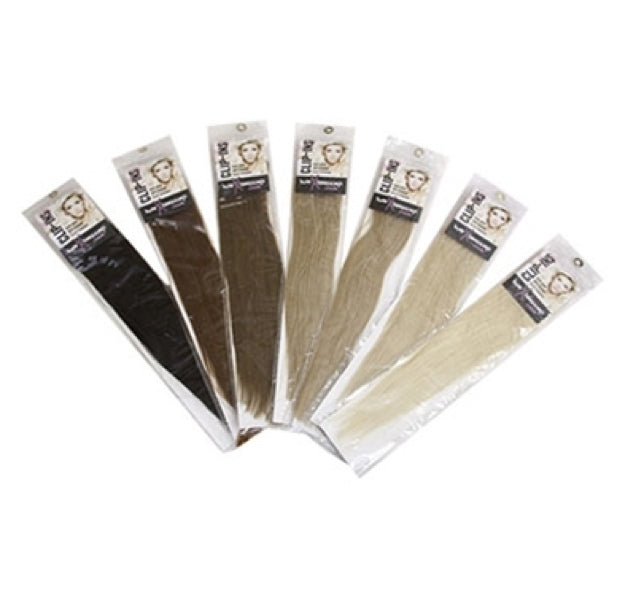
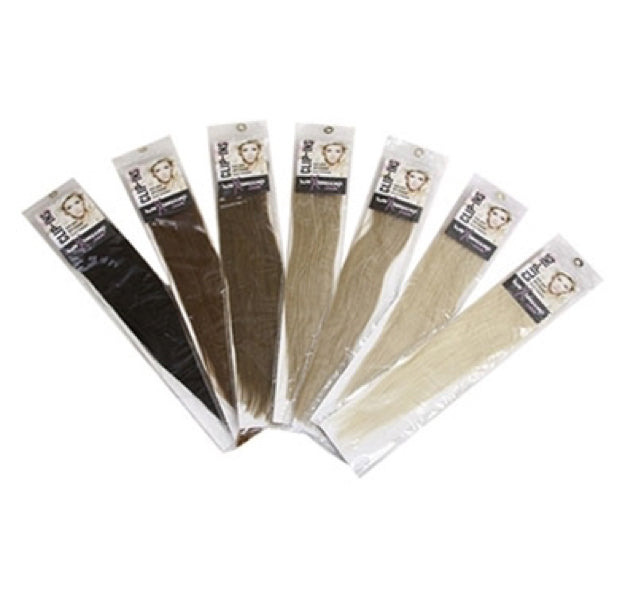
What About Clip-In Extensions?
Clip-Ins are removable, so oily roots are less complicated to manage than with a permanently fitted attachment.
If your natural hair becomes greasy, remove the Clip-In set and wash your natural hair normally rather than showering or sleeping while wearing the extensions.
The Clip-In hair itself does not need to be washed every time your scalp does. Wash the removable set when it genuinely needs cleansing based on product build-up and wear.
Can Dry Shampoo Help?
A suitable dry shampoo may help freshen natural roots between washes, but it shouldn't permanently replace proper scalp cleansing.
Repeated heavy application can itself create product build-up around fitted extension areas.
If you use dry shampoo, apply it sparingly and follow the product instructions rather than layering more on every day without eventually washing the scalp.
Do Hair Extensions Need a Regular "Detox"?
Not as a universal rule.
The older advice to routinely perform a strong clarifying or exfoliating "hair detox" isn't suitable guidance for every extension wearer.
Some clarifying or deep-cleansing products may be too strong for frequent extension use or may not be suitable around a particular attachment system.
If you have significant build-up, first review the products you're using and how thoroughly you rinse them. If a deeper-cleansing product is needed, make sure it is appropriate for your extension method.
Are Oils Bad for Hair Extensions?
Oil isn't automatically bad for human hair extension lengths. A small amount of a suitable product can sometimes help dry mid-lengths and ends feel smoother.
The important point is where you apply it.
Mid-Lengths & Ends
A small amount of suitable oil may be used where extension hair feels dry, following the product instructions.
Fitted Roots
Avoid applying oils directly onto keratin bonds, Tape-In adhesive or other attachment areas where oily products may interfere with the fitting.
Why Do My Extensions Look Greasy Straight After Washing?
If the hair looks heavy or greasy immediately after washing, the problem may be product residue rather than new scalp oil.
Consider whether:
- Too much conditioner was applied
- Conditioner was applied too close to the roots
- A heavy mask, serum or oil was used
- The shampoo or conditioner wasn't thoroughly rinsed
- Several styling products have built up over time
Simplifying the routine and using smaller amounts of suitable product can sometimes make a noticeable difference.
Can Exercise Make Hair Extensions Greasy?
Exercise can make the scalp feel oily or dirty more quickly because of sweat, heat and repeated styling.
After a sweaty workout, don't leave fitted roots damp underneath a tight ponytail or bun for hours.
Allow the scalp to cool, dry the attachment areas thoroughly and wash when your scalp genuinely needs cleansing.
Exercise & Hair Extensions GuideHow to Reduce Greasy Extension Roots
Use Less Product at the Root
Keep oils, rich conditioners and heavy treatments away from fitted attachment areas.
Rinse Thoroughly
Shampoo and conditioner residue can leave hair feeling coated even immediately after washing.
Wash When Needed
Base your routine on your own scalp, lifestyle and extension method rather than following one fixed weekly schedule.
Clean Brushes Regularly
Brushes can collect natural oils, styling products and loose hair, which can then transfer back onto freshly washed hair.
Reduce Constant Touching
Frequently running hands through the root area can transfer oils and styling residue onto the hair.
Review Styling Products
If the roots repeatedly look greasy, check whether several leave-in or styling products are being layered in the same area.
Sudden or persistent scalp changes? Excessive oiliness, itching, redness, flaking or other scalp symptoms can have causes unrelated to the extensions themselves. If you are concerned about a persistent scalp problem, seek appropriate professional or medical advice rather than continually adding new products to the area.
Greasy Hair Extensions – FAQs
Why do my extensions get greasy so quickly?
The oil usually comes from the natural scalp or products applied around the roots. Sweat, conditioner, serums and frequent touching can also contribute to a greasy appearance.
How often should I wash oily hair with extensions?
There isn't one fixed schedule for everybody. Wash according to your scalp, lifestyle and extension method using suitable products and careful technique.
Can conditioner make extensions greasy?
Yes. Applying too much conditioner or taking it too close to the roots can leave fitted hair feeling heavy or coated. Concentrate conditioner mainly through the mid-lengths and ends.
Can oily hair make Tape-In extensions slip?
Excess natural oil or oily products around the tape attachment can interfere with adhesive performance, which is why clean preparation and careful product placement are particularly important for Tape-Ins.
Can oily hair make Micro Rings slip?
Very oily or heavily coated natural hair can be more slippery. Repeated ring slippage should be professionally assessed because section size, ring choice and fitting technique can also contribute.
Can I use oil on hair extensions?
A small amount of suitable product may be used on dry extension mid-lengths and ends, but keep oils away from keratin bonds, Tape-In adhesive and other fitted attachment areas.
Should I use dry shampoo every day?
Dry shampoo can help freshen natural roots between washes, but heavy repeated use can create build-up. It should not replace proper scalp cleansing indefinitely.
Do greasy hair extensions need clarifying shampoo?
Not automatically. Clarifying products vary in strength and may not be appropriate for every extension method. First review your routine and make sure any deeper-cleansing product is compatible with your fitted extensions.
Keep the Roots Clean — Keep Rich Products on the Lengths
Managing greasy hair extensions is mainly about keeping the natural scalp clean without coating the attachment areas in unnecessary oils, conditioners or styling products. Adjust washing to your own scalp and lifestyle, rinse thoroughly and follow the aftercare requirements for your particular extension method.
Read Our Aftercare Guide Shop Aftercare Products