



Why Are Tape-In Hair Extensions So Popular? 10 Reasons Explained
Tape-In hair extensions have become a widely chosen professional extension method for clients wanting extra length, volume and thickness using a flat adhesive attachment.
Unlike individual strand methods such as Nano Tips or Stick-Tips, Tape-Ins use wider pre-taped panels that are professionally positioned around carefully sectioned natural hair.
So why do so many people choose Tape-In extensions? From their flat attachment shape and range of lengths to professional refitting and colour blending, there are several reasons this method continues to attract both extension wearers and professional stylists.
✔ Flat adhesive attachment panels
✔ Professional fitting recommended
✔ Available in multiple lengths and shades
✔ Can add length, volume and thickness
✔ Suitable panels may potentially be cleaned, retaped and professionally refitted
✔ No heated keratin-fusion tool normally required for standard application
✔ Correct preparation and aftercare are important for attachment performance
Why Are Tape-In Hair Extensions So Popular?
There is no single reason people choose Tape-In extensions.
Their popularity comes from a combination of features, including the relatively flat attachment shape, the amount of extension hair that can be added through each panel, the variety of available lengths and colours, and the possibility of professionally refitting suitable extension hair.
Here are 10 of the main reasons clients and extension professionals consider Tape-Ins.
1. Tape-In Extensions Have a Flat Attachment
One of the most recognisable features of Tape-In extensions is their flat adhesive attachment.
Rather than using an individual ring or keratin bond for every strand, extension hair is attached to a wider panel.
When correctly positioned and covered by sufficient natural hair, this flat format can create a discreet fitting.
Does Flat Mean Invisible?
No.
No fitted hair-extension attachment is completely invisible in every hairstyle.
Visibility depends on:
- Natural hair density
- Placement
- Panel size
- Colour matching
- The hairstyle being worn
2. Tape-Ins Can Add Length
Adding length is one of the main reasons people choose hair extensions.
Tape-In extensions are available in different lengths, allowing the fitting to be planned around the client's starting hair length and desired result.
HairX Tape-Ins are available in 14, 18, 20 and 22 inch lengths.
Which Tape-In Length Should You Choose?
The best length depends on:
- Your existing hair length
- Your height
- Your desired finished length
- The amount of extension density required
- How dramatic you want the transformation to be
Is 22 Inch Tape-In Hair the Best Length?
Not necessarily.
22 inches creates a long transformation, but a shorter 14, 18 or 20 inch length may blend more naturally with some starting hair lengths.
3. Tape-In Extensions Can Add Volume and Thickness
Tape-Ins are not only used for creating longer hair.
They can also add additional density through the mid-lengths and ends.
This means clients who are already happy with their natural length may consider Tape-Ins primarily for additional fullness.
Can Tape-Ins Be Used Only for Volume?
Potentially, yes.
A fitting does not always need to create a dramatic change in length.
A professional may plan the amount and placement of extension hair around the client's desired increase in thickness.
4. The Panel Format Can Make Professional Fitting Efficient
Each Tape-In panel contains more hair than a single individual-strand attachment.
This means the professional fitter works with wider panels rather than fitting every extension hair strand individually.
However, faster attachment does not mean the process should be rushed.
Why Is Professional Tape-In Fitting Still Important?
Correct application requires:
- Clean, dry natural hair
- Controlled sectioning
- Clean adhesive surfaces
- Appropriate natural-hair sections
- Accurate panel alignment
- Suitable placement
- Controlled application pressure
5. Standard Tape-In Application Does Not Require Heat Fusion
Standard Tape-In fitting uses adhesive panels rather than a heated keratin-fusion connector.
This makes the fitting process different from pre-bonded methods such as Nail-Tip / U-Tip extensions.
Does No Heat Mean Tape-Ins Are Damage-Free?
No.
The absence of a heated fusion tool does not make any extension system completely risk-free.
Natural hair can still experience stress if Tape-Ins are unsuitable, too heavy, poorly fitted, poorly maintained or incorrectly removed.
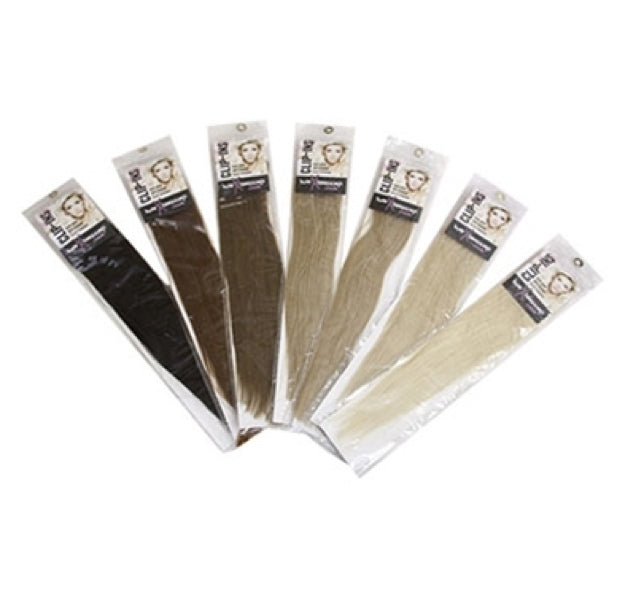
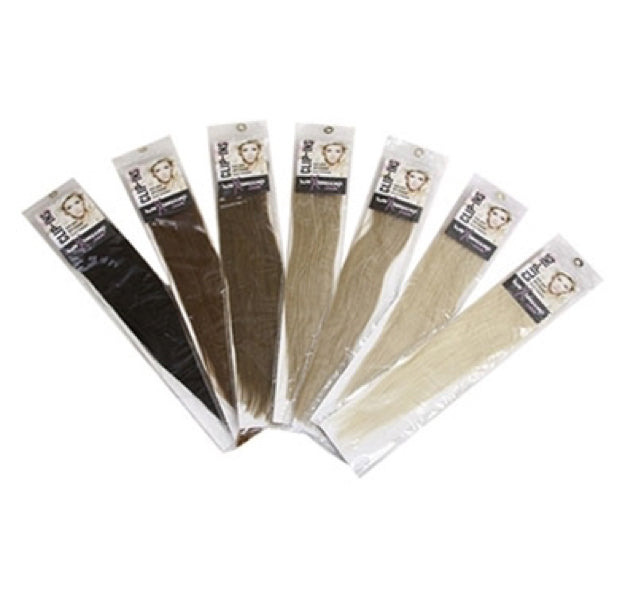
6. Tape-In Hair Extensions Come in Many Colours
Colour choice is another major reason Tape-Ins appeal to extension wearers.
Using one or more carefully selected shades can help create:
- Natural-looking length
- Multi-tonal blonde blends
- Brunette dimension
- Highlighted effects
- Ombre-inspired colour
Do Tape-In Extensions Need to Match the Roots?
Not necessarily.
The most important blend is often where the client's natural hair overlaps the extension hair.
This means the mid-lengths and ends can be just as important as the roots when choosing the extension shade.
Can More Than One Tape-In Shade Be Used?
Yes.
Combining complementary shades can help replicate natural highlighted or multi-tonal hair more effectively than relying on one flat colour.
Should You Use a Hair Extension Colour Ring?
Yes.
A physical colour ring allows extension shades to be compared directly against the natural hair before ordering or fitting.
Shop Hair Extension Colour Rings
7. Tape-Ins Can Be Professionally Blended into Different Hairstyles
Once professionally fitted and blended, Tape-In extensions can be worn in a variety of styles.
Depending on placement and natural-hair coverage, styling options may include:
- Straight styles
- Soft waves
- Curls
- Low ponytails
- Selected updos
Can Tape-Ins Be Worn in a High Ponytail?
Potentially, but the attachments may become more visible depending on their placement.
If a client regularly wears high ponytails or updos, this should be discussed before fitting so attachment placement can be planned accordingly.
8. Suitable Tape-In Hair May Be Reused
Suitable Tape-In extension hair may potentially be professionally cleaned, retaped and refitted if the hair and extension panels remain in appropriate condition.
This is an important distinction from treating every fitting as a completely new set of extension hair.
Can You Simply Reapply Used Tape-In Extensions?
No.
The old adhesive needs to be removed correctly, and the extension panel must be clean and appropriately prepared before fresh compatible replacement tape is applied.
Do Tape-Ins Need New Adhesive When They Are Refitted?
Yes.
Fresh compatible replacement tape is normally required during professional reapplication.
Can Old Adhesive Be Left Under the New Tape?
No.
Residual adhesive, oils and remover residue can interfere with the performance of fresh replacement tape.
9. Tape-In Extensions Can Be Customised to the Client
A professional Tape-In fitting can be planned around more than simply the client's desired length.
The fitter also needs to consider:
- Natural hair density
- Natural hair condition
- Head shape
- Colour pattern
- Desired thickness
- Attachment coverage
- Usual hairstyles
Does Every Client Need a Full Head of Tape-Ins?
No.
The amount of extension hair required depends on the starting hair and the desired result.
Some fittings may focus primarily on fullness, while others require significantly more extension hair to create a long transformation.
10. Tape-Ins Offer a Different Option from Individual-Strand Extensions
Some clients prefer the panel-based structure of Tape-Ins, while others prefer individual-strand methods such as Nano Tips or Stick-Tips.
Neither attachment system is automatically better.
They simply provide different fitting options.
Tape-Ins vs Nano Tips: What Is the Difference?
Tape-Ins use wider adhesive panels.
Nano Tips use individual strands secured with small compatible Nano Rings.
Nano Tips therefore provide strand-by-strand placement, while Tape-Ins distribute extension hair across a broader attachment.
Tape-Ins vs Stick-Tips: What Is the Difference?
Stick-Tips are individual extension strands fitted using compatible rings.
Tape-Ins instead use pre-taped adhesive panels.
Tape-Ins vs Nail-Tips: What Is the Difference?
Nail-Tips / U-Tips use individual pre-bonded attachments that are professionally fitted using a suitable heat-fusion tool.
Tape-Ins use adhesive panels and do not normally require heat fusion during standard application.
Tape-Ins vs Hair Wefts: What Is the Difference?
Hair Wefts consist of extension hair joined along a continuous track.
They can be fitted using several professional weave techniques, while Tape-Ins use individual adhesive panels distributed throughout suitable areas of the hair.
Popular does not mean suitable for everyone. The best extension method depends on the client's natural hair, desired result, lifestyle, attachment preference and professional assessment.
Are Tape-In Hair Extensions Suitable for Fine Hair?
Potentially, but they are not automatically the correct choice for every person with fine hair.
The professional fitter needs to assess:
- Hair density
- Hair strength
- Natural-hair condition
- Panel weight
- Section size
- Attachment coverage
Are Tape-Ins Suitable for Thick Hair?
Potentially, yes.
Thicker natural hair may require more extension density to create enough fullness for the finished length.
Are Tape-Ins Suitable for Oily Hair?
Extra consideration is needed.
Tape-Ins rely on adhesive, so excessive oil around the attachment area may affect performance.
Clients with naturally oily roots should discuss suitability and aftercare with their professional extensionist.
How Are Tape-In Hair Extensions Fitted?
A standard professional Tape-In sandwich fitting generally involves:
- Assessing the natural hair.
- Colour matching the extensions.
- Planning attachment placement.
- Preparing clean, dry natural hair.
- Creating controlled sections.
- Positioning the first Tape-In panel.
- Placing an appropriate section of natural hair across the attachment.
- Aligning the second panel.
- Applying controlled pressure.
- Checking alignment, comfort and coverage.
What Is a Tape-In Sandwich?
In a traditional Tape-In application, a section of natural hair sits between two compatible adhesive extension panels.
The panels meet around the selected natural hair section to form a flat attachment.
Why Is Section Size Important?
The natural-hair section needs to support the extension attachment while still allowing the adhesive panels to connect correctly.
What Happens If Too Much Hair Is Put Between the Tapes?
Too much natural hair can prevent the adhesive surfaces from connecting as intended.
What Happens If Too Little Hair Is Used?
An undersized natural-hair section may place unsuitable extension weight on too few hairs.
Should Tape-Ins Be Fitted Directly Against the Scalp?
No.
The attachment should allow natural movement rather than sitting tightly against the scalp.
Should Tape-In Extensions Hurt?
Significant or persistent pulling, pinching or discomfort should not simply be accepted as normal.
Uncomfortable attachments should be professionally checked.
How Wide Are HairX Tape-In Pieces?
HairX Tape-In mini wefts are approximately 4cm wide.
The flat panel format allows extension hair to be distributed across a broader attachment than an individual strand method.
How Many Tape-In Pieces Are in a HairX Pack?
Each HairX Tape-In pack currently contains 20 pre-taped mini wefts.
How Much Does a Pack of Tape-In Hair Weigh?
The total hair weight varies depending on the selected length.
Always check the current product details when planning how many packs are appropriate for a specific fitting.
How Many Packs of Tape-Ins Do You Need?
There is no universal number.
The amount depends on:
- Starting density
- Starting length
- Head size
- Desired finished length
- Desired thickness
- Individual pack weight
Can Tape-Ins Be Too Heavy?
Yes.
Any extension method can place unnecessary stress on the natural hair if excessive weight is fitted or the attachments are unsuitable for the supporting hair.
How Should Tape-In Extensions Be Washed?
Tape-In aftercare needs to protect both the extension hair and the adhesive attachment.
- Brush gently before washing.
- Keep the hair in its natural downward position.
- Use suitable shampoo around the scalp.
- Avoid aggressive rubbing around the tapes.
- Rinse thoroughly.
- Apply conditioner mainly through the mid-lengths and ends.
- Keep rich products away from the adhesive panels.
- Dry the root and attachment areas properly.
Can You Put Conditioner on Tape-In Extensions?
Yes, but concentrate it mainly through the mid-lengths and ends.
Avoid repeatedly coating the adhesive tabs with conditioner, oil or rich treatments.
Can You Use Hair Oil with Tape-Ins?
Yes, sparingly through the extension lengths and ends.
Avoid applying heavy oils directly to the Tape-In attachment areas.
How Should Tape-Ins Be Brushed?
Start at the ends and gradually work upwards while supporting the hair near the roots.
Avoid repeatedly dragging a brush directly against the Tape-In attachments.
Read Our Complete Hair Extension Brushing Guide
Can You Blow-Dry Tape-In Extensions?
Yes.
The root and attachment areas should be dried properly rather than repeatedly being left damp.
Can You Straighten Tape-In Extensions?
Human hair Tape-In extensions can generally be straightened using suitable heat protection.
Avoid direct contact between heated styling tools and the adhesive attachment.
Can You Curl Tape-In Hair Extensions?
Human hair Tape-Ins can generally be curled using suitable heat protection.
Keep the heated barrel away from the tape panels.
Should You Use Heat Protection?
Yes.
Heat protection should form part of the styling routine whenever using hairdryers, straighteners or curling tools on the extension lengths.
Can You Sleep with Tape-In Extensions?
Yes.
Before sleeping:
- Make sure the hair and attachment areas are dry
- Gently detangle the extensions
- Check the nape for tangles
- Loosely secure longer lengths where appropriate
Can You Sleep with Wet Tape-In Extensions?
It is best avoided.
Wet extension hair can tangle more easily, and fitted attachment areas should not repeatedly remain damp overnight.
Can You Swim with Tape-In Extensions?
Fitted Tape-In extensions can generally remain in place while swimming, but chlorine, salt water and repeated soaking can affect extension condition and the attachment environment.
Rinse thoroughly after swimming and dry the attachment areas properly.
Read Our Swimming with Hair Extensions Guide
Why Do Tape-In Extensions Slip?
Several factors can contribute to slipping or panel separation, including:
- Oil or conditioner around the attachment
- Product residue before fitting
- Contaminated adhesive
- Incorrect section size
- Poor panel alignment
- Insufficient application pressure
- Worn replacement adhesive
- Natural hair growth
- Overdue maintenance
Should You Simply Press Slipping Tape-Ins Back Together?
No.
If several attachments are slipping, the cause should be investigated rather than repeatedly pressing or retaping them without checking the fitting.
How Long Can Tape-In Extensions Stay Fitted?
There is no universal maintenance interval that applies to every wearer.
Natural hair growth, scalp oil production, aftercare, attachment condition and individual wear all influence when maintenance is required.
Your professional extensionist should advise you when your Tape-Ins need attention.
What Happens During Tape-In Maintenance?
A professional maintenance and refitting process may involve:
- Applying compatible Tape-In remover.
- Carefully separating the adhesive panels.
- Removing the extensions without pulling against resistance.
- Removing old adhesive from suitable reusable panels.
- Cleaning and preparing the extension attachment area.
- Checking the extension hair condition.
- Applying fresh compatible replacement tape.
- Refitting suitable extensions to newly sectioned natural hair.
Can Tape-In Hair Extensions Be Reused?
Potentially.
If the hair and attachment panels remain in suitable condition, the extensions may be professionally cleaned, retaped and refitted.
Can Every Tape-In Set Be Reused?
No.
Extension condition needs to be assessed.
Hair that is heavily damaged, excessively tangled, very thin through the ends or otherwise unsuitable may need replacing.
How Are Tape-In Extensions Removed?
A compatible Tape-In remover is applied to the adhesive attachment before the panels are carefully separated.
The attachments should not be forcibly pulled apart against resistance.
Read Our Tape-In Hair Extension Removal Guide
Should You Remove Tape-Ins Yourself?
Professional removal is recommended.
Incorrect removal can create unnecessary pulling and may leave adhesive residue in the natural hair.
What Are Replacement Tape Tabs?
Replacement Tape Tabs are fresh adhesive pieces used when compatible Tape-In extension panels are professionally prepared for reapplication.
Shop HairX Pro Replacement Tape Tabs
Why Does Preparation Matter Before Retaping?
Fresh adhesive performs best on an appropriately cleaned and prepared extension panel.
Old adhesive, remover residue, oils or moisture can interfere with attachment performance.
Are Tape-In Hair Extensions Low Maintenance?
They still require regular care.
Wearers need to brush correctly, keep oily products away from the attachment areas, dry the tapes properly and attend professional maintenance when required.
For that reason, “low maintenance” should not be confused with “no maintenance”.
How Long Does Tape-In Extension Hair Last?
There is no single guaranteed lifespan.
Condition is influenced by:
- Washing frequency
- Brushing
- Heat styling
- Swimming
- UV exposure
- Water quality
- Products used
- Maintenance
When Should Tape-In Extension Hair Be Replaced?
Replacement may be appropriate when the extension hair becomes:
- Severely dry
- Constantly tangled
- Very thin through the ends
- Heavily heat damaged
- Significantly discoloured
- Damaged around the attachment panel
Are Tape-In Extensions Worth Considering?
For a suitable client, Tape-Ins offer a distinctive combination of flat attachment panels, multiple lengths, broad colour choice and the possibility of professionally refitting suitable extension hair.
That does not make them the right method for everyone.
The natural hair, lifestyle, desired result and commitment to aftercare should all be considered before choosing them.
Tape-In Hair Extensions: Advantages & Considerations
✔ Flat attachment format
✔ Can add length and volume
✔ Multiple lengths and colours available
✔ Panel-based professional fitting
✔ No heat fusion normally required for standard application
✔ Suitable extension hair may potentially be professionally retaped and reused
✔ Can be incorporated into different hairstyles with suitable placement
✖ Adhesive areas need appropriate preparation
✖ Oils and rich products should be kept away from the tapes
✖ Natural-hair suitability still needs professional assessment
✖ Attachments can become visible in some hairstyles
✖ Professional maintenance and removal are required
✖ Tape-In extensions can slip if fitting or aftercare is unsuitable
✖ They are not automatically suitable for every fine-haired or oily-haired client
Shop Tape-In Hair Extensions
Explore HairX Tape-In hair extensions in 14, 18, 20 and 22 inch lengths across a wide selection of shades for professional fitting.
How Are Tape-In Extensions Professionally Applied?
For a detailed explanation of natural-hair preparation, sectioning, panel positioning, alignment and professional application, read our dedicated fitting guide.
Read Our Tape-In Hair Extension Fitting Guide
Read Our Tape-In Aftercare Guide
Tape-In attachments need specific aftercare because oils, heavy products, moisture and concentrated heat around the adhesive areas can affect the fitting.
Read Our Tape-In Hair Extension Aftercare Guide
Learn How Tape-In Extensions Are Refit
Suitable extension panels can potentially be reused after professional removal, adhesive clean-up and correct preparation with fresh replacement tape.
Read Our Complete Tape-In Refitting Guide
Final Thoughts
There are several reasons Tape-In hair extensions remain a popular professional extension option.
Their flat panel attachment, choice of lengths and colours, ability to add both length and volume, and potential for professionally refitting suitable extension hair all contribute to their appeal.
However, popularity should never be confused with universal suitability. Tape-Ins still require the natural hair to be assessed carefully, the correct amount of extension weight to be chosen and the adhesive attachments to be professionally prepared and positioned.
Aftercare also matters. Keeping oils and heavy products away from the tapes, brushing carefully, drying the attachment areas properly and attending maintenance when required can all help support a successful fitting.
For the right client, professionally fitted and properly maintained Tape-In hair extensions offer a versatile way to create additional length, volume and colour while using a relatively flat attachment system.